







Introduction:The freshness of coffee beans has a significant impact on the flavor of the brewed coffee. This article delves into how to determine whether coffee beans are still at their optimal drinking period, provides practical pour over adjustments including grind size and blooming methods, and introduces three eco-friendly and practical ways to reuse expired coffee beans, helping you get the most out of every single bean.
Can coffee beans still be consumed after being stored for a long time? This is a common question among many coffee lovers. Over time, the carbon dioxide in coffee beans gradually dissipates, and the aroma and flavor slowly fade, affecting the final brewing performance. Understanding the optimal drinking period of coffee beans, as well as how to adjust extraction methods based on freshness, can help improve the quality of each cup.
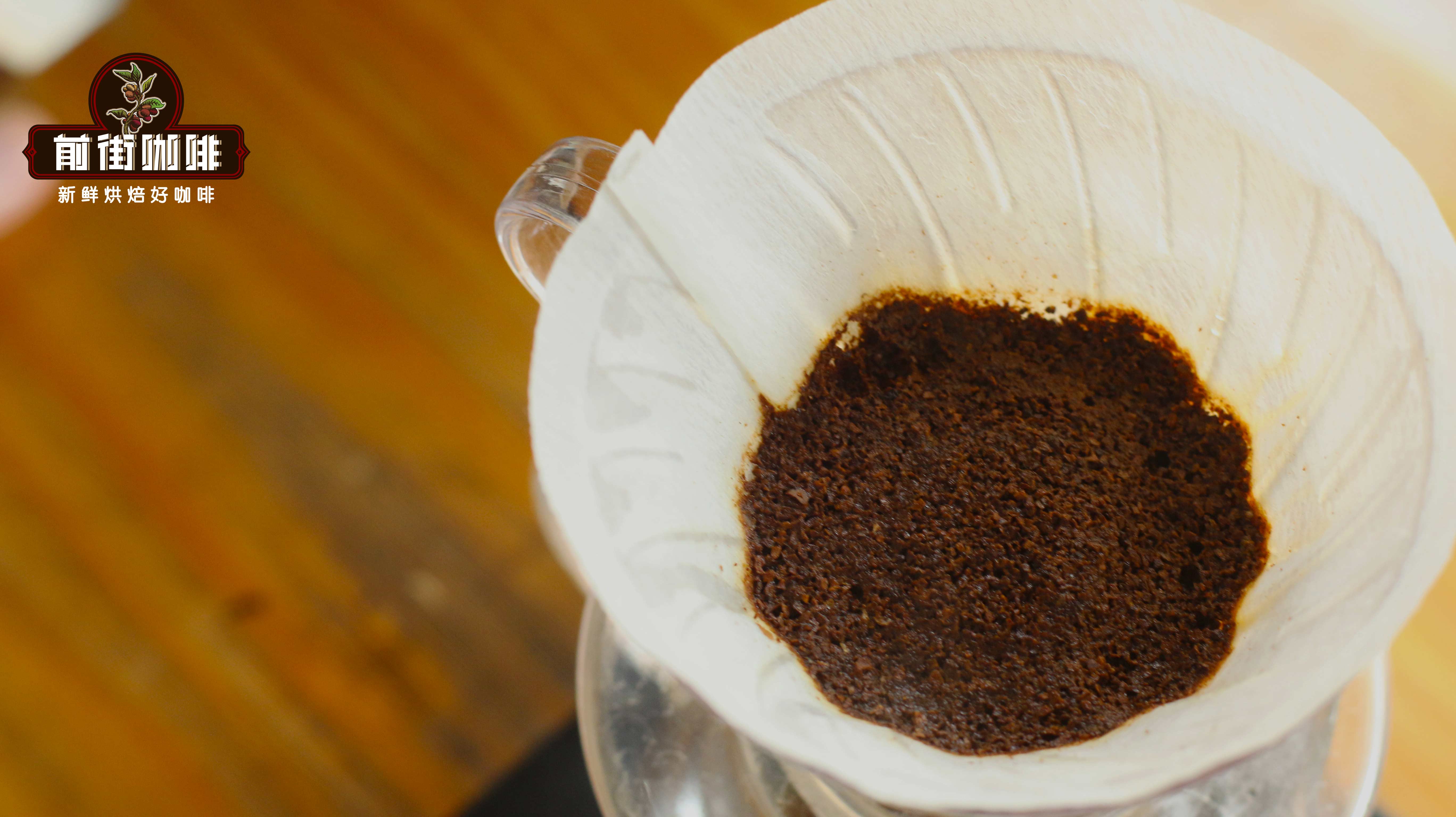
Generally speaking,coffee beans that are more than 60 days post-roastare considered to have reached the tail end of their optimal drinking window. Some hardcore coffee enthusiasts even believe thatthey’re no longer fresh after just 30 days. Practical observations show that as long as the beans are stored properly—such as being kept sealed, away from light, and protected from moisture—most coffee beans can still maintain a decent flavor profilewithin about forty to fifty days; however, if not tightly resealed immediately after opening, they may begin to taste offaround the 30-day mark, such as when the coffee grounds no longer visibly expand during blooming. These are signs that the beans are no longer fresh.
Although flavor does decline over time, from a food safety perspective,roasted coffee beans can remain safe to drink for up to a year. That said, when dealing with coffee beans that are less fresh, we can adjust extraction parameters—such as grind coarseness, blooming time, and pouring technique—to improve their performance and make the coffee flavor more palatable.
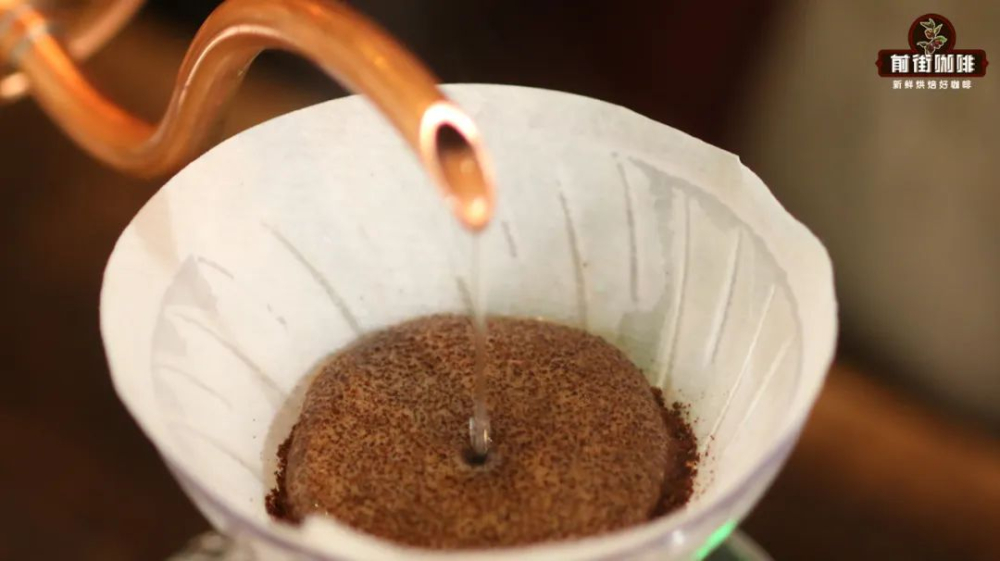
It’s worth noting that stale coffee beans often show little to no reaction during the blooming stage, sometimes not expanding at all. Many people mistakenly think that blooming is merely for degassing, so they consider skipping this step altogether. But in reality, the primary purpose of blooming is to allow water to fully saturate all coffee grounds, both on the surface and inside. When the beans are fresh, the release of internal gases causes the coffee bed to expand, compressing the spaces between particles, which allows water to penetrate more slowly toward the core. However, once the beans are no longer fresh, limited gas release means water flows quickly through the coffee bed to the bottom, preventing proper extraction of the center and resulting in a thin, dull-tasting cup.
In addition, without sufficient gas release, the foam produced during blooming will be thinner, and coffee grounds are more likely to sink to the bottom, potentially clogging the filter and leading to over-extraction and unpleasant bitter or harsh flavors. Therefore, it’s especially important to adjust your brewing strategy when using less fresh coffee beans.
First, it is recommended touse a slightly coarser grind—for example, if you usually use setting 10 on an EK grinder, try adjusting to 10.5. This helps reduce over-extraction and bitterness caused by overly fine grinds. Next, during the blooming phase, it is advisable touse a smaller stream of water and extend the pouring time, giving the water enough time to soak into each coffee particle. For instance, when pouring 30 ml of water over 15 grams of coffee, you can aim for a pouring time of about 13 seconds, then let it sit for 5 to 7 seconds, keeping the total blooming time around 20 seconds. This helps improve extraction uniformity.
During subsequent pouring, be careful not to pour too close to the edge of the filter cone, as this could wash away the already sparse coffee bed and cause channeling or slow drainage. Also, avoid pouring the water too high, because stale coffee grounds do not form a stable coffee bed easily. High water levels may cause the water to pass straight through without adequate extraction, negatively affecting the final cup taste.
These adjustments can help improve the brewing performance, but they cannot fully compensate for the loss of flavor complexity due to reduced freshness. If the coffee beans you have are past the recommended drinking window, or even past their expiration date, consider repurposing them for other practical uses—embracing environmentally friendly and creative reuse methods.
First, coffee grounds are a highly natural deodorizer. Placing coffee grounds in an ashtray not only absorbs cigarette odors but also helps extinguish cigarette butts—a practice many coffee shops follow. Additionally, putting a tray of coffee grounds in the oven can effectively remove built-up grease and lingering smells from prolonged use. For households with pets, sprinkling some coffee grounds after cleaning up pet waste can noticeably reduce odors and keep the home environment fresher.
Second, coffee grounds also have cleaning properties. Wrapping ground coffee in a cloth and using it to wipe stovetops or pot lids can easily remove stubborn grease. Furthermore, using brewed expired coffee water to rinse sinks or toilet drains helps eliminate grime and odors, making it suitable for various household cleaning scenarios.
Finally, coffee grounds are also excellent plant fertilizer. Coffee beans naturally contain various nutrients that plants need. Simply scattering expired coffee grounds directly into flower pots not only provides nourishment but also naturally suppresses odors. Placing coffee grounds around the base of plants can also help deter pests—an invaluable tip for gardening enthusiasts.
The above content is compiled by CoffeeHunters, a coffee news website.


