








Introduction:Espresso is the soul base of many coffee beverages, and its intense flavor and unique crema layer often evoke both love and hesitation. This article will take you deep into the appreciation points of espresso—from observing the crema, smelling the aroma, to sipping—and analyze the characteristics and suitable scenarios of different blends, helping you master every step from bean selection to drinking, and enhancing your coffee experience.
Espresso is hailed as the essence of coffee, with its rich and layered taste that leaves beginners both excited and cautious. A high-quality espresso, from its golden crema on the surface to the transition of aromas and flavors upon tasting, is closely related to the choice of coffee beans, roast level, and the barista’s extraction skills.
When you receive a freshly extracted espresso, the first thing that catches your eye is the enticing layer of golden crema. This crema is formed under high pressure of up to 9 bars as water passes through finely ground coffee, emulsifying soluble substances, oils, and carbon dioxide. Not only does it affect appearance, but the thickness and color of the crema can also reveal the extraction status and freshness of the coffee.

To appreciate espresso, it is recommended to follow three steps: smell the aroma, observe the crema, and taste. First, take a light sniff of the coffee’s fragrance—you might catch notes of nuts, caramel, or even subtle fruity acidity if the roast is lighter. These initial aromatic signals are often the first step in assessing the potential of the coffee.
Next, observe the performance of the crema.The ideal crema should have a color ranging from golden to amber, with uniform thickness and good persistence.. If it is too thin or dissipates instantly, it may indicate insufficient extraction pressure or beans that are not fresh enough. The appearance of the crema not only affects visual appeal but also relates to the texture and flavor longevity once it enters your mouth.
Before taking a proper sip, many cafes serve a glass of ice water, which helps cleanse the palate so you can fully appreciate the intensity of the espresso. It is recommended to take a small sip of the ice water, then drink the espresso in one go, letting it spread in your mouth—experiencing its velvety texture and the unfolding layers of caramel, nutty, and mildly acidic flavors.
For those new to espresso, its strong flavor may feel somewhat intense. In this case, you can try adding a small amount of hot milk to make a Caffè Lungo, or blend it with steamed milk to create a Cappuccino or Latte. This not only softens the taste but also brings out the caramel and chocolate undertones. If you find the espresso too strong, you can also dilute it with water, but be aware that this may reduce its rich aroma and complexity.
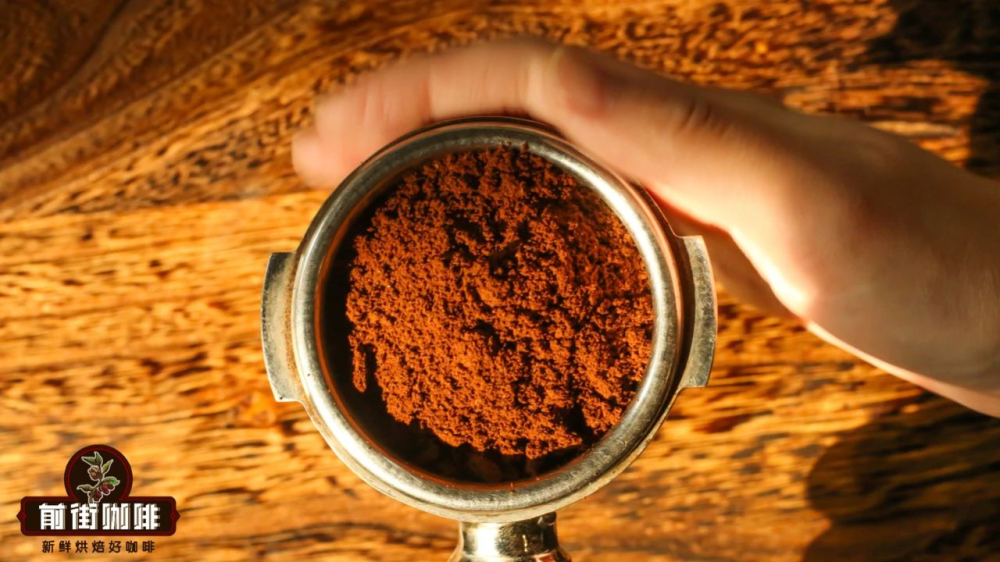
Choosing the right coffee beans for espresso extraction is one of the key factors affecting the final result. Common blending strategies combine Arabica beans from different regions, sometimes adding a small amount of Robusta to enhance intensity and crema performance.
For example, coffee beans from Colombia’s Huila region are typically grown at altitudes between 1500 and 1800 meters, primarily of the Bourbon and Caturra varieties, and processed using the washed method. These beans are dense and plump, often exhibiting distinct notes of nuts, chocolate, and caramel, with moderate acidity and a solid body. They are a common foundational choice in many blends, providing a stable flavor backbone to espresso.
Brazilian Cerrado coffee, grown at altitudes mostly between 1000 and 1300 meters, has relatively lower bean density and is usually processed via semi-dry methods. Roasters often opt for medium roasts to highlight its nutty character and balanced, smooth bitterness. When properly extracted, these beans can give espresso a silky texture and creamy aftertaste, making them suitable for blends aiming for a mild taste and harmonious flavors.
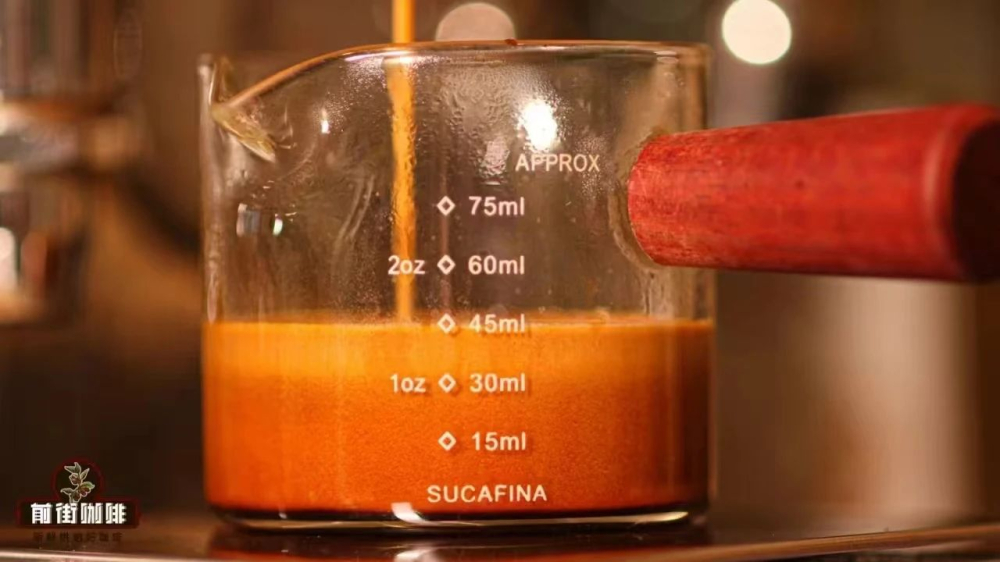
If you prefer a stronger, more crema-rich espresso, consider commercial blends with a small amount of Robusta beans. Robusta is naturally more disease-resistant and higher-yielding. Though it lacks the complexity of Arabica, its high caffeine and chlorogenic acid content deliver a bolder bitterness and intensity. When blended in moderation, it not only enhances the texture and thickness of the crema but also adds a finish of dark chocolate and deep-roast notes, making the overall taste fuller and longer-lasting.
During actual extraction, it is recommended to adjust grind size and tamping pressure according to the characteristics of the beans used to achieve optimal extraction efficiency. Generally, the ideal espresso extraction time is 25 to 30 seconds, with an output of about 30 milliliters. Too fast or too slow can lead to over-extraction or under-extraction, affecting the final flavor profile.
In summary, from observing the crema, smelling the aroma, to actually tasting, espresso appreciation is an art that combines sensory perception and technique. Whether you enjoy its intense, original flavor purely or wish to explore more coffee drinks based on it, understanding the bean origin, roast level, and extraction parameters can make you more confident with every cup of espresso and help you discover your own coffee preferences.

The above content is compiled by CoffeeHunters, a coffee news website.


