







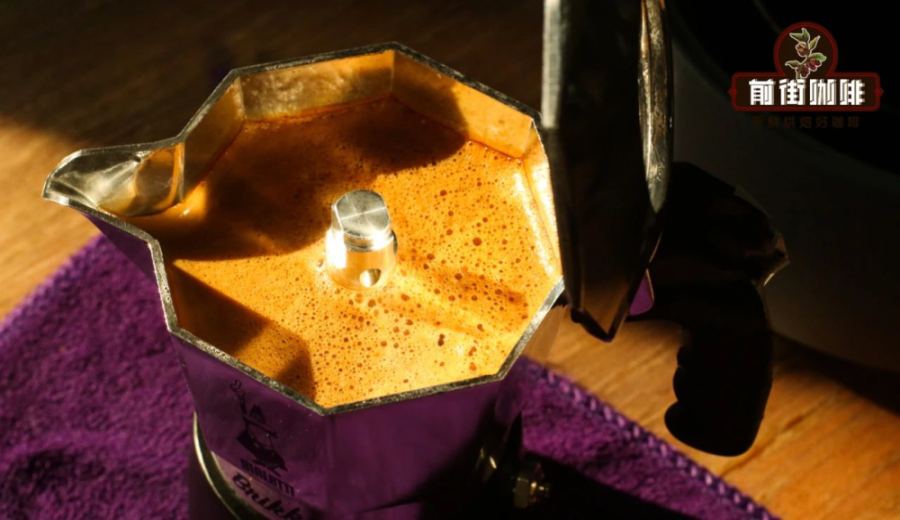
Introduction:Many Moka pot users face a common challenge: why does the coffee they brew at home always lack that coveted layer of golden crema? This article will delve into the science behind crema formation in Moka pots, covering everything from coffee-to-water ratio, grind size, heat control, to pressure enhancement. We’ll provide a complete step-by-step guide along with recommended dark roast beans that are well-suited for Moka pots, helping you extract richer, more complex crema and flavors step by step.
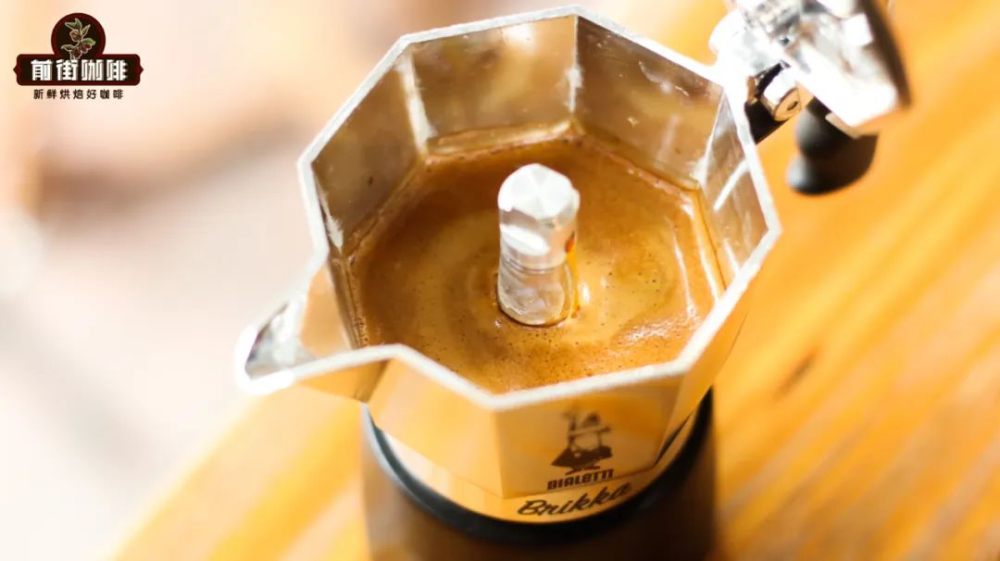
In recent years, the Moka pot has become a staple tool in the homes of many coffee enthusiasts. However, many still struggle to brew coffee with the delicate yet rich crema similar to that produced by espresso machines. In fact, this golden substance floating on the surface of the coffee, often referred to as "crema," is actually a cluster of fine bubbles formed by the emulsification of carbon dioxide and lipids. Since the operating pressure of a Moka pot is only about 3 bar—far lower than the 9 bar of professional machines—the resulting foam is relatively thin and sometimes appears as just a slight layer.
To understand how to improve this, it’s first necessary to grasp how crema forms. Under high temperature and pressure, the carbon dioxide in the coffee grounds becomes encapsulated by emulsified oils, creating tiny, dense bubbles—this is what we see as the "crema layer." Although Moka pots can't achieve the extraction pressure of professional machines, certain techniques can still significantly enhance the texture and thickness of their crema.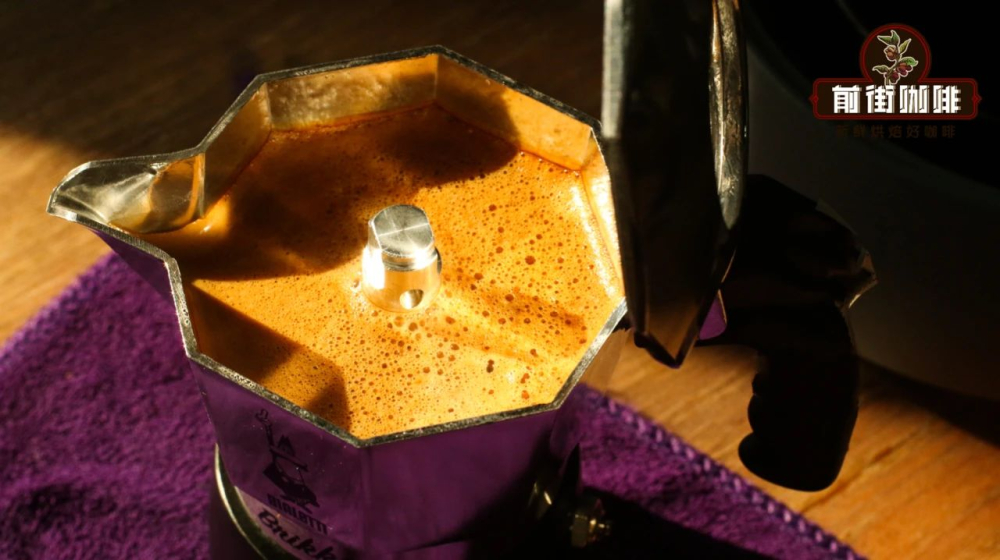
To extract richer crema from a Moka pot, the first priority is choosing the right coffee beans. Generally speaking, the darker and fresher the beans, the higher the residual carbon dioxide content inside, which helps form a more voluminous foam. It’s recommended to select medium to dark roast or dark roast beans, such as the classic Indonesian Golden Mandheling SOE, or SOE single-origin beans from Brazil's Queen Estate. These bean varieties not only offer intense flavors but also showcase complex layers of chocolate, caramel, nuts, and cream.
If you prefer a blended flavor profile, you can also opt for classic Italian-style blends that include Robusta beans. These beans naturally have a higher oil content, which can further enhance the body and crema performance of Moka pot coffee. However, if you’re not accustomed to overly strong bitterness, it’s advisable to choose medium-dark roasted beans to balance flavor and taste.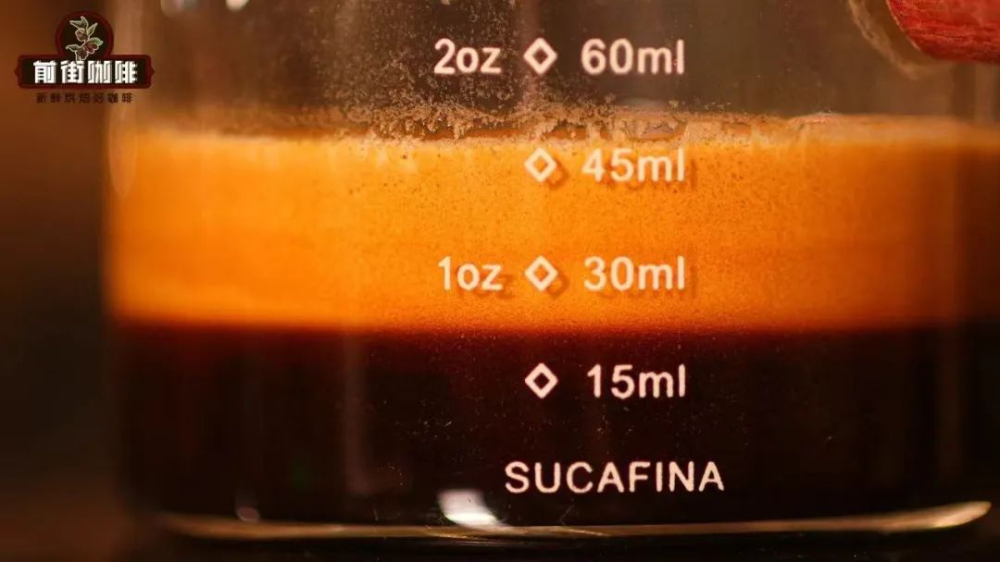
On a practical level, adjusting the grind size is the first step to enhancing pressure and crema performance. Like with professional espresso machines, the extraction pressure of a Moka pot relies on the resistance of the coffee puck, which in turn depends on the fineness of the coffee grounds and how compactly the puck is tamped. It’s recommended to use a flour-like fine grind, close to that used in espresso machines—finer than what’s typically used for pour over. This significantly increases the resistance to water flow, thereby raising the extraction pressure and facilitating the formation of fine bubbles.
Additionally, moderately increasing the amount of coffee grounds can help raise overall resistance. However, be careful not to make the coffee bed too loose or tamp it too firmly, as this can affect the evenness of water flow. Ideally, the coffee bed should be evenly compact so that hot water can penetrate the puck with stable pressure.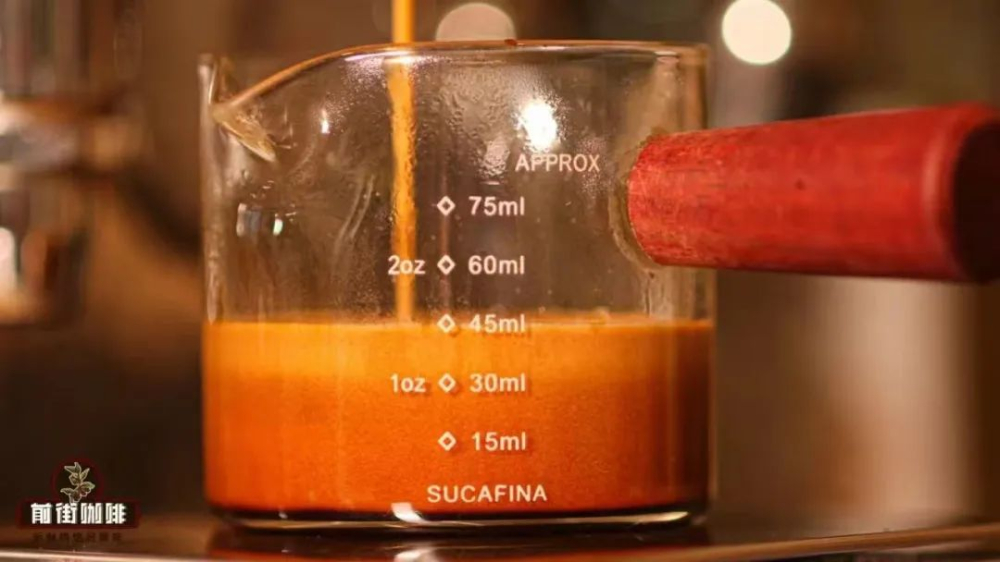
Besides grind size, controlling the heating time and starting water temperature is equally crucial. It’s recommended to pour near-boiling water into the lower chamber, which can significantly shorten the time needed to heat the water to boiling point. This reduces excessive contact time between the coffee grounds and water, helping avoid over-extraction and off-flavors. Too long an extraction time can cause the coffee puck to lose structure and resistance, thereby affecting pressure stability and crema formation. Once the Moka pot starts dripping, it’s advised to lower the heat or turn it off completely, allowing the coffee to flow out at a more stable rate. This helps the crema emerge more evenly on the surface.
If you want to further enhance extraction pressure, using a Moka pot with a pressure valve is also a good option. For example, Moka pots with a dual-valve design allow for additional regulation, requiring the coffee to be extracted under higher pressure, thereby encouraging more carbon dioxide and crema to form. If you only have a single-valve Moka pot, you can also purchase a dedicated pressure valve accessory for an upgrade—just ensure the model matches and is installed correctly. This method has slightly higher equipment requirements but can effectively improve crema texture and overall extraction efficiency.
In summary, although the Moka pot cannot fully replicate the extraction results of a professional espresso machine, by mastering the coffee-to-water ratio, selecting suitable dark roast beans, adjusting grind fineness, using hot water, controlling heat, and upgrading pressure features as needed, you can significantly enhance the richness of coffee crema and overall flavor profile. This allows home brewing to achieve a quality and experience close to that of a café.
The above content is compiled by CoffeeHunters, a coffee news website.


