







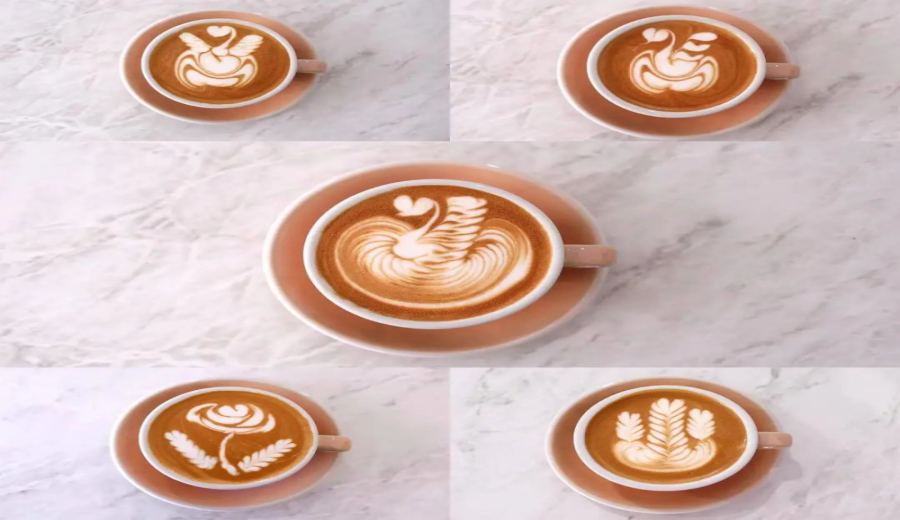
Introduction:The heart and leaf patterns on lattes are more than just decoration—they represent a journey of coffee culture that spans the Atlantic. From the invention of Italy’s first steam-powered coffee machine in 1901, to a Seattle barista accidentally creating a heart-shaped milk foam, and eventually evolving into the latte art we see in professional competitions today, how did this technique grow from a happy accident into a true craft? This article takes you through the origins, evolution, and global appeal of latte art—how it has captured the hearts and palates of coffee lovers worldwide.
Walk into a modern café and order a latte or flat white, and you’ll often find delicate designs atop the milk foam—perhaps a simple heart, an elegant leaf, or even a lifelike animal. These designs are collectively known as “latte art,” now a basic skill for baristas and even a key judging criterion in international barista competitions. But many may not know where this seemingly artistic technique originated. Is it rooted in Italian coffee culture or born from American innovation? Let’s start with the very first steam coffee machine.
In 1901, Italian engineer Luigi Bezzera, aiming to solve the issue of slow traditional coffee brewing, invented the world’s first semi-automatic steam-pressure coffee machine and successfully patented it. Soon after, the renowned Italian coffee machine brand La Pavoni acquired the technology and further improved it in 1906 by adding a steam wand, allowing baristas to more precisely control the temperature and texture of milk.
As early as the late 19th century, Italy already had the tradition of heating milk with steam, but the technique of frothing milk into fine foam and creating patterns on the surface of coffee—what we now call “latte art”—didn’t take shape until decades later. Interestingly, this technique became widely known thanks to an American barista—David Schomer. In the 1980s, he ran a small coffee stand in Seattle and one day, while pouring steamed milk into espresso, he noticed that the white foam naturally formed a heart shape on the surface of the coffee.
This accidental discovery inspired David to delve into the traditional espresso-making methods of Italy. By the late 1980s, he founded his own coffee brand, Espresso Vivace, dedicated to mastering how to create stable and aesthetically pleasing coffee designs by controlling steam pressure, milk foam texture, and pouring techniques. He offered courses, shared skills, and trained many baristas capable of producing high-quality latte art. As a result, this decorative style of coffee gradually gained popularity in the U.S. and quickly spread around the world.
This technique later came to be known as “latte art” (from the Italian “Caffè Latte,” where “latte” means “milk”). Slowly pouring perfectly steamed hot milk into espresso while using the fluidity of the foam to draw designs is what we call latte art. Early latte art designs were mainly simple hearts and leaves, with relatively basic techniques. However, as the specialty coffee movement grew, baristas around the globe began experimenting with more complex and visually dynamic patterns, even using etching techniques and combining foam with various additives to create bold yet refined visual effects.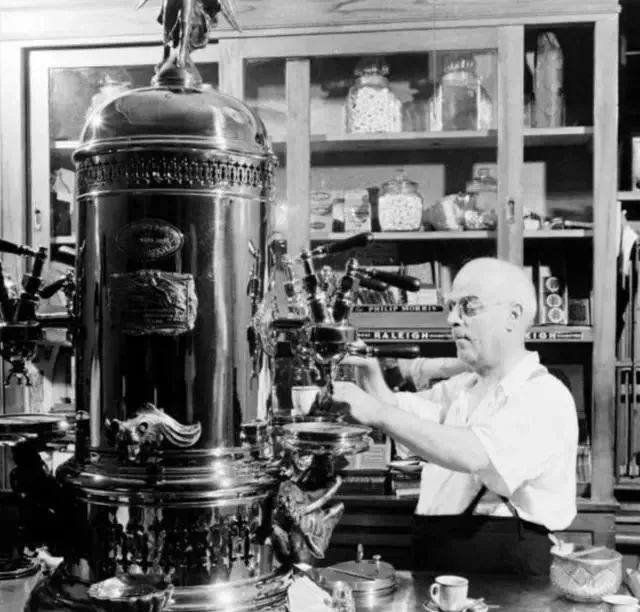
It’s worth noting that latte art isn’t just about flashy aesthetics. As the industry has evolved, so have consumer expectations for overall coffee quality. Today’s professional baristas focus not only on the symmetry and flow of the design, but also on the smooth texture of the milk, its integration with the espresso, and the overall flavor balance of the drink. David Schomer once pointed out that a successfully poured latte art piece relies fundamentally on high-quality espresso and freshly steamed milk—these are the essential cornerstones of great latte art.
Today, drinks like lattes and flat whites have become hugely popular on social media and among friends—not just for their rich and smooth taste, but largely thanks to the added charm of latte art. Who doesn’t love lifting a cup of coffee to not only enjoy its aromatic scent, but also admire a beautifully crafted, artisanal design? From the invention of the Italian steam machine to a serendipitous creation at a Seattle coffee stand, the evolution of latte art is one of the most beautiful reflections of coffee culture going global.
The above content is compiled by CoffeeHunters, a coffee news website.


