








Introduction:As the birthplace of coffee, Africa is globally renowned for its specialty beans, which are distinguished by their unique fruity acidity and aromatic profiles. This article systematically introduces the geographical environments, farming practices, and processing techniques of major producing regions such as Ethiopia, Kenya, and Burundi. It also analyzes the flavor profiles of representative coffee beans and provides brewing recommendations to help you grasp the essence of African coffee and the secrets to selecting the best beans.
Africa is not only the cradle of coffee but also one of the most distinctive presences in the flavor map of specialty coffee. From the bright acidity and floral-citrus notes of Ethiopian coffee to the layered complexity of berries and black plums in Kenyan beans, and the delicate balance of washed Bourbons from Burundi and Rwanda—this continent’s coffees, with their vibrant aromas and unique regional characteristics, have become a favorite among many coffee enthusiasts. This article will take you deep into the terroirs, farming, and processing features of Africa’s major coffee-producing countries, analyze the flavor profiles of classic beans, and provide practical guidance on selection and brewing.

When it comes to African coffee, Ethiopia is undoubtedly the most iconic starting point. Recognized as the birthplace of coffee, Ethiopia’s beans are famous for their pronounced fruity acidity, floral notes, and fruity tones. Ethiopian coffees generally exhibit distinct citrus aromas, such as the citrus and lemon notes of Yirgacheffe; Kenya, on the other hand, excels in rich berry tones paired with black plum-like acidity and sugarcane sweetness. These characteristics together form the two most captivating flavor profiles of African beans and are classic profiles that both novice and advanced coffee enthusiasts repeatedly savor.
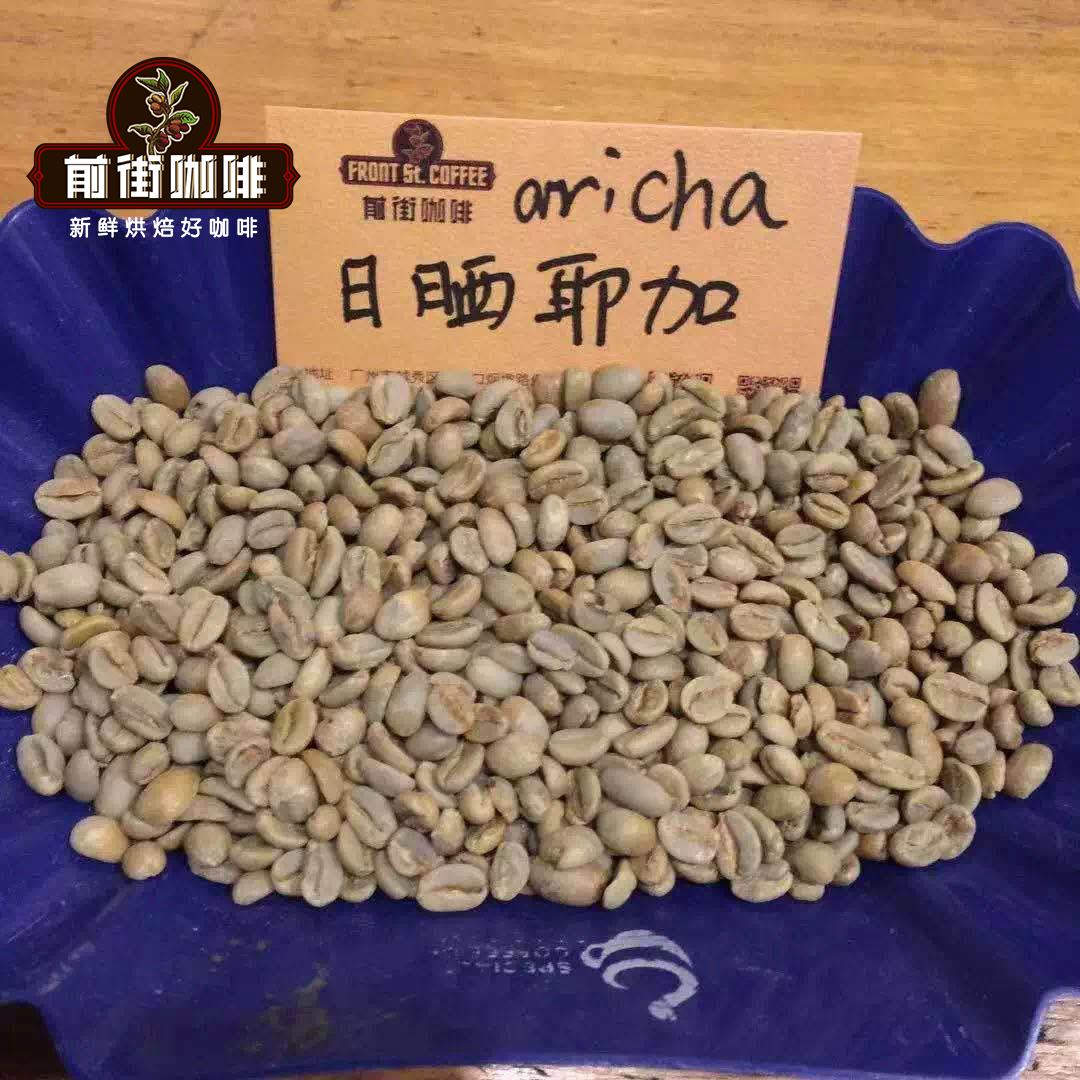
The overall commonality of African coffee lies in its rich aromas and bright fruity acidity, which can instantly invigorate the taste buds. However, due to the impact of arid climates, its body is generally lighter, and sweetness is not particularly prominent. Most green beans are processed using the natural (sun-dried) method, resulting in uneven bean shapes and relatively high defect rates, but this also gives them unique fermented flavors. Next, we will delve deeper into the characteristics of Africa’s major producing regions.
1. Ethiopia: The Diverse Profile of the Coffee Gene Pool
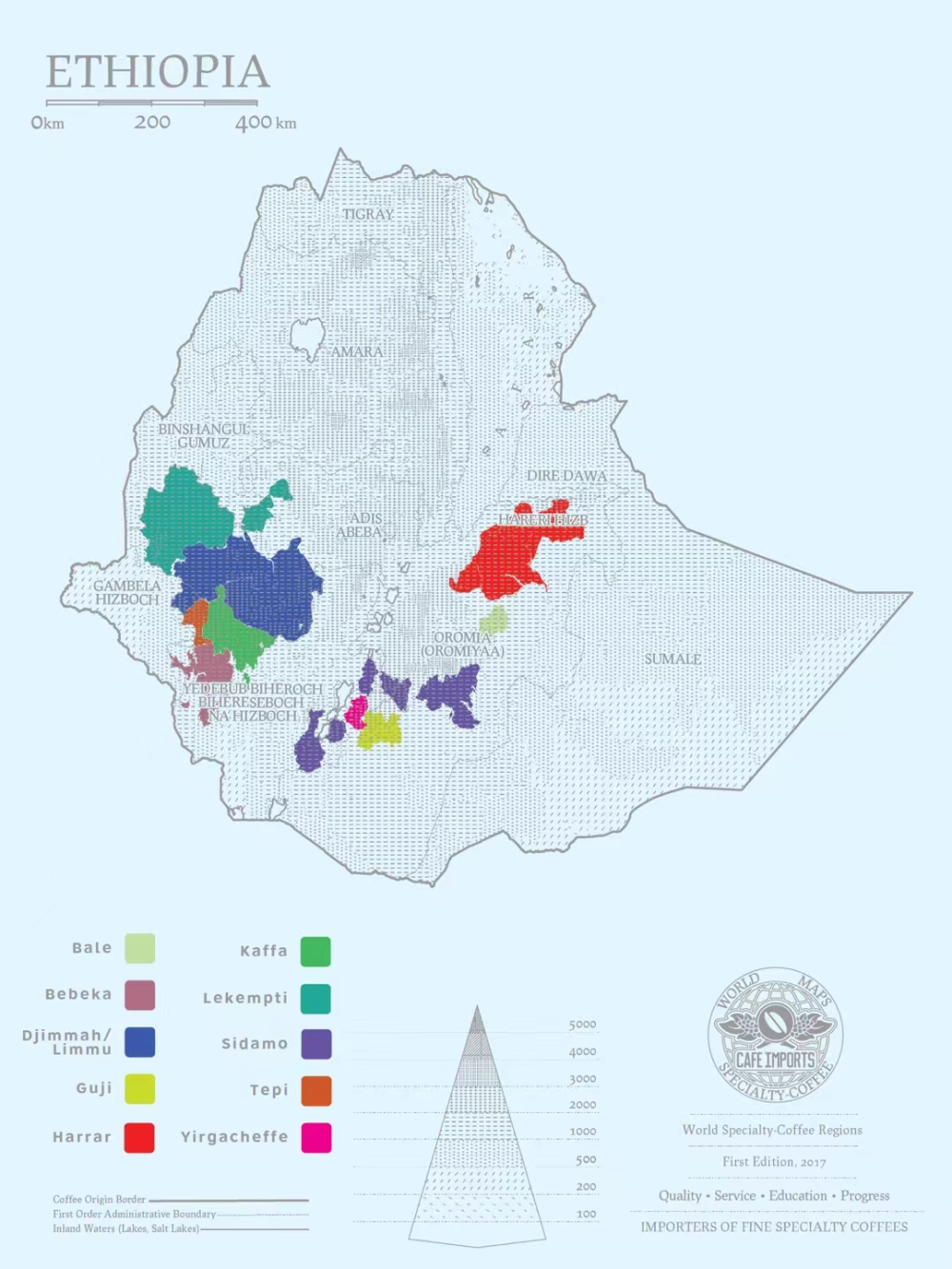
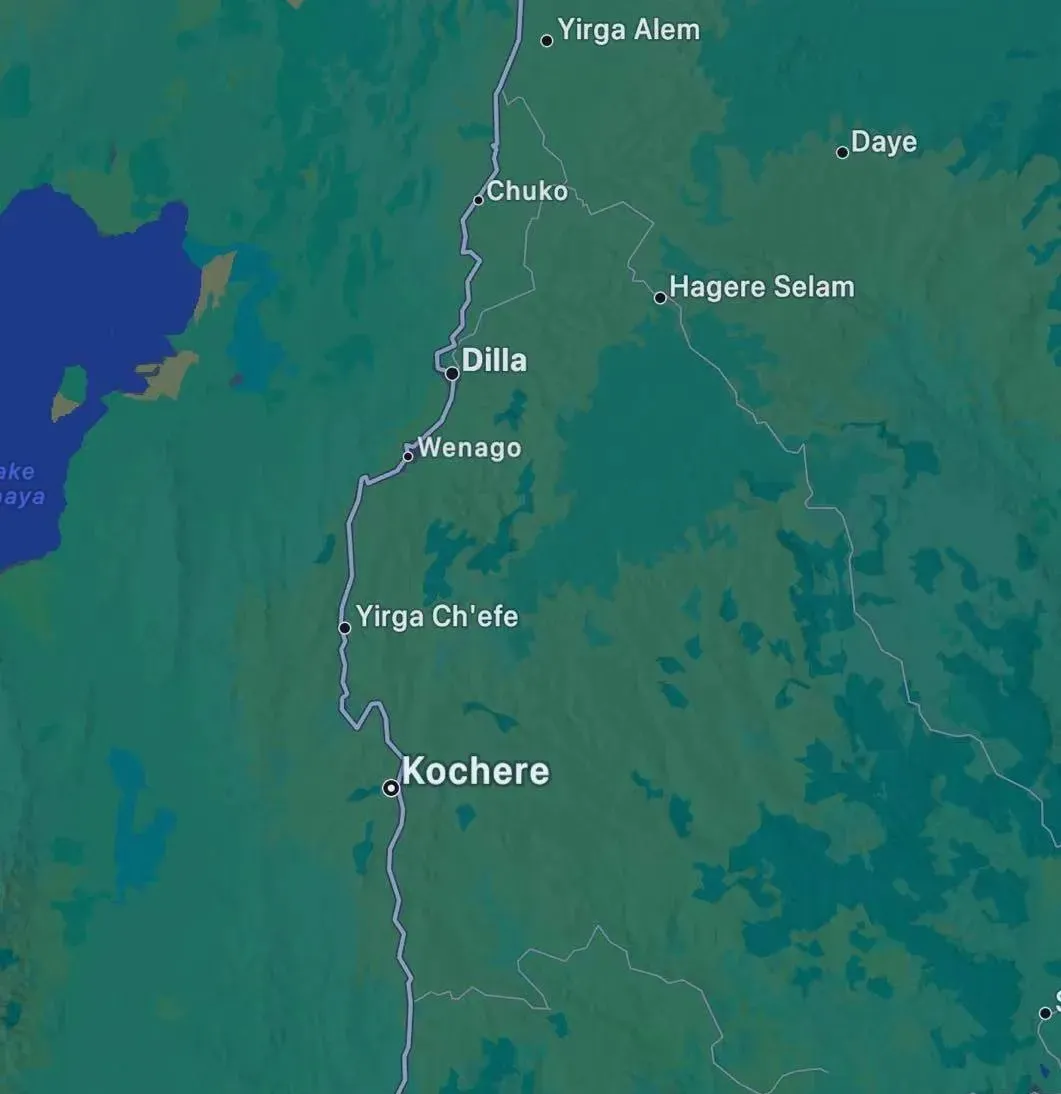
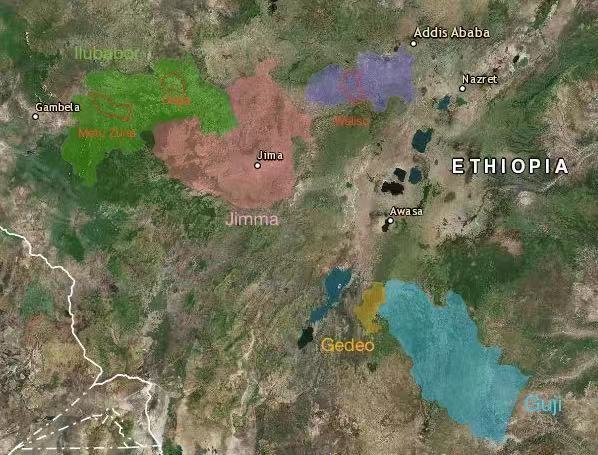
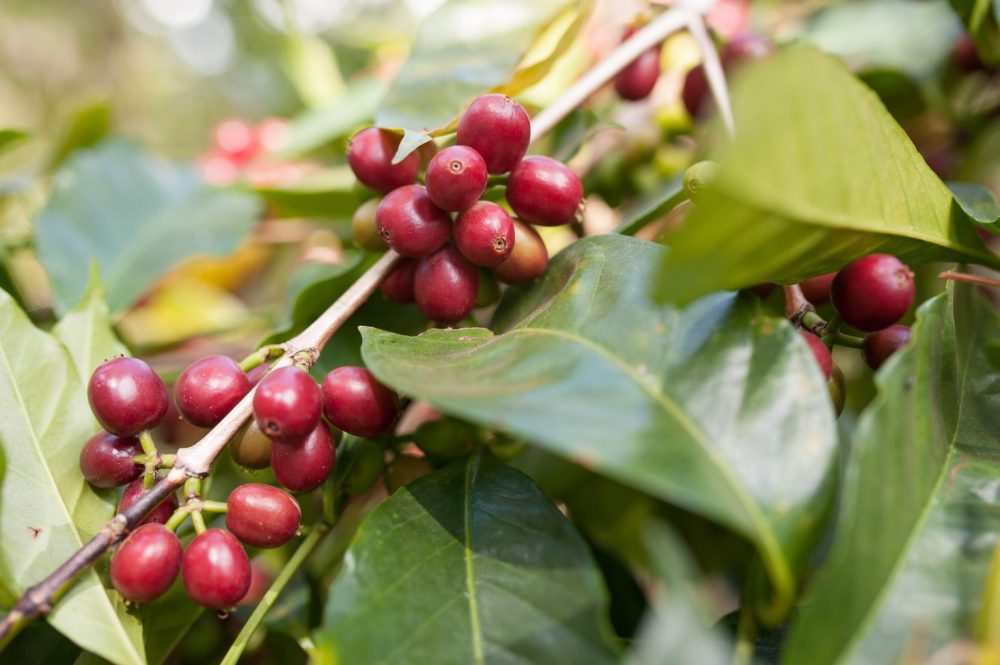
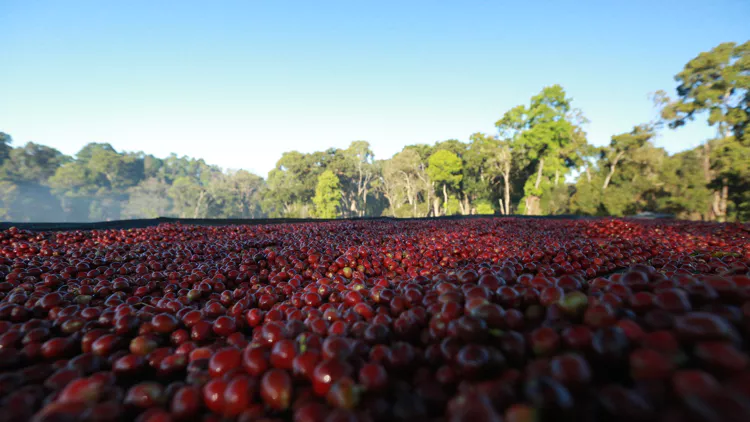
Coffee is deeply integrated into Ethiopia’s culture and economy, with over 1.2 million smallholder farming families relying on coffee cultivation for their livelihoods. Each household owns an average of less than 4 hectares of coffee farms, at altitudes ranging from 1,000 to 2,300 meters. Key producing regions include Yirgacheffe, Sidamo, and the Kafa Forest, each with unique microclimates and flavor expressions. Take Yirgacheffe, for example—a town situated at elevations of 1,700 to 2,100 meters, shrouded in fog year-round, cool, and humid, making it one of the highest-altitude producing regions in the world. The local “Red Cherry Project” selects only fully ripe red cherries, resulting in high-quality but relatively expensive specialty beans.
Ethiopia’s farming models are diverse, including forest coffee (8–10%), forest-semi forest coffee (30–35%), garden coffee (50–55%), and plantation coffee (5–6%). Garden coffee accounts for the largest share, where smallholders grow coffee around their homes, often intercropped with other cash crops. The “Heirloom” variety produced under this model is not a single variety but rather a blend of dozens or even hundreds of uncategorized varieties, resulting in unique flavor variations in each batch.
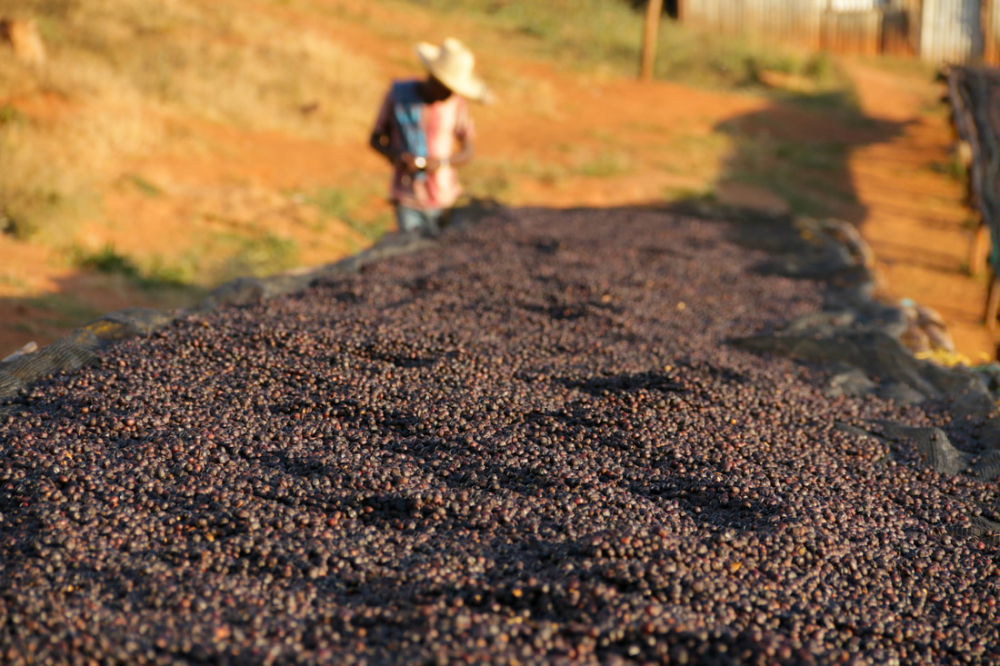
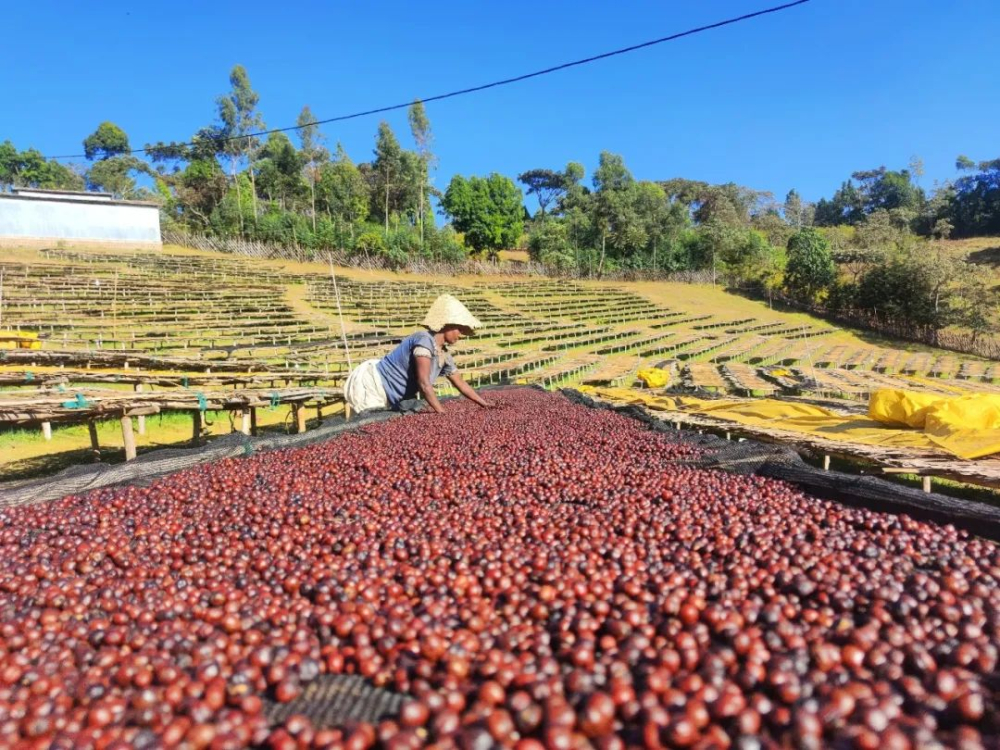
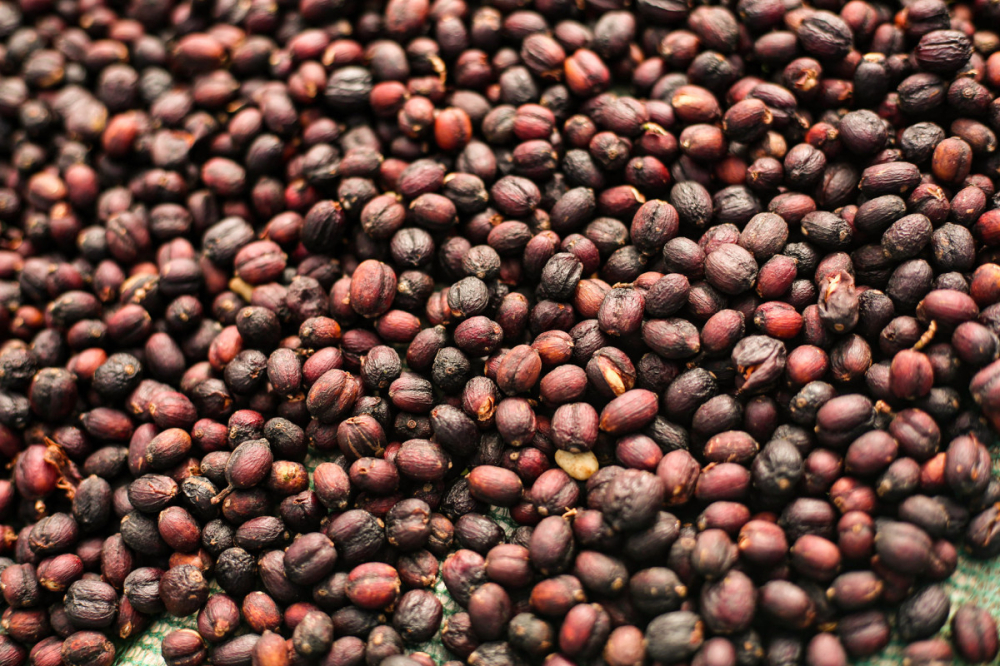
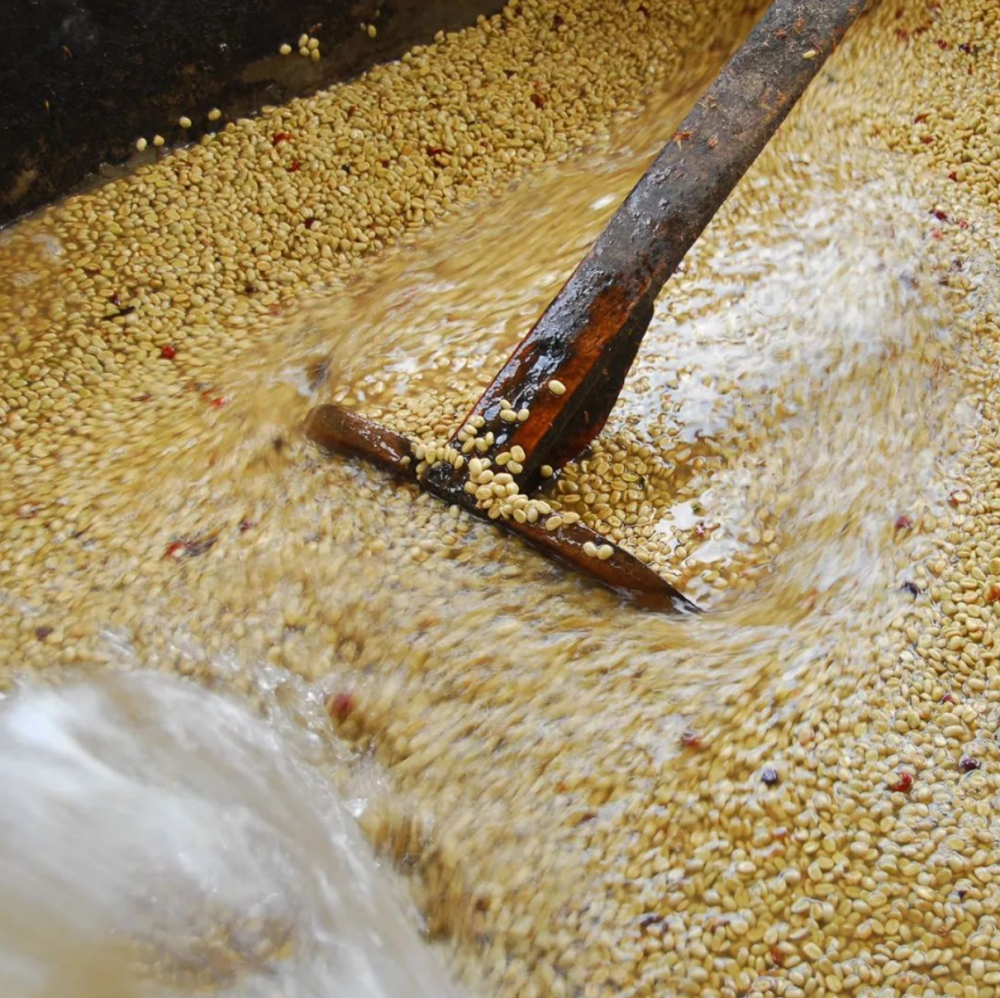
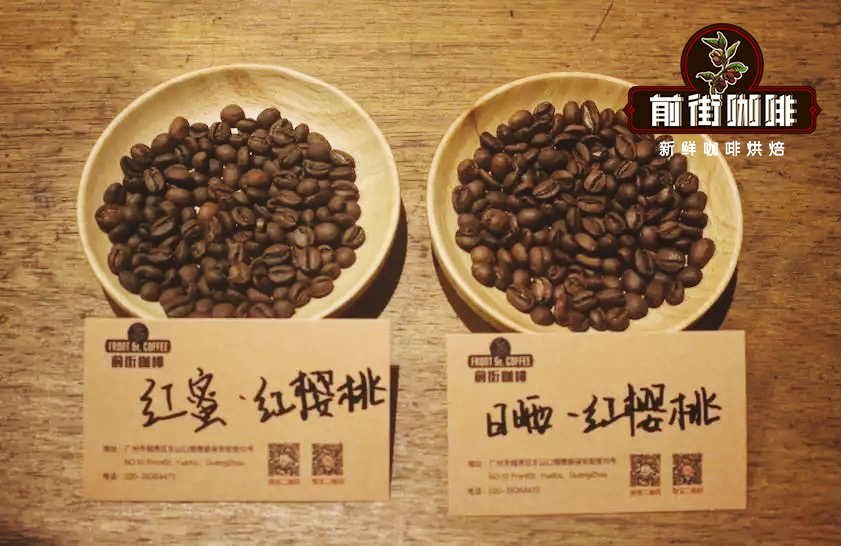
In terms of processing methods, Ethiopia primarily uses natural (sun-dried) and washed processes, with innovative techniques such as honey processing emerging in recent years. Natural-processed beans feature intense flavors, often with apricot, berry, and wine-like aromas; washed beans showcase clear citrus and lemon acidity with honey-like sweetness; honey-processed beans fall between the two, offering rounded floral and juicy notes. For example, red honey processing retains 75% of the fruit mucilage, imparting a rich, fermented, wine-like aroma to the coffee.
2. Burundi: Exquisite Acidity from High-Altitude Mountains
Located in the East African Rift Valley, Burundi features steep terrain, and coffee production is primarily carried out by smallholders. The main variety is Bourbon and its mutations, grown at altitudes ranging from 700 to 2,700 meters. Coffee from high-altitude areas exhibits bright acidity, with notes of lemon, passionfruit, and honey, and quality can reach SCA scores of 86 or above; low-altitude beans tend to have a thinner texture, presenting chocolate and hazelnut tones.
Take “Heart of Africa” as an example—it is a Bourbon variety grown at 1,400–1,700 meters in Bubanza Province, processed using the washed method, and showcases light acidity with notes of kumquat, lemon, and dried fruit, with a caramel finish. Such beans are suitable for brewers who prefer refreshing acidity, and it is recommended to use medium-light roasting and V60 filters to highlight their lively flavors.

3. Kenya: The Classic Combination of Berries and Wine Notes
Kenyan coffee is grown at high altitudes of 1,500–2,100 meters and is harvested twice a year. Its most distinctive feature is its vivid fruit aromas, especially citrus and berry tones, paired with multi-layered acidity and moderate body. The Kenya Coffee Board (CBK) strictly manages production and sales, grading and selling through auctions, with the top grades being PB (peaberry), AA++ to AB.
The smallholder cooperative model is key to the quality of Kenyan coffee. Highland smallholders form cooperatives and use government-supported washed processing facilities to ensure rigorous quality control. Their coffee often features unique acidic notes like tomato and blackcurrant, with a clean and sweet aftertaste. For example, beans from the Saxony Estate, using the SL28 and SL24 varieties, exhibit intense fruity sweetness and a blackcurrant finish.

Mastering the flavor code of African coffee—from understanding the producing regions and processing methods to brewing parameters—can elevate your tasting experience at every step. Whether it’s the floral-citrus notes of Ethiopia, the berry explosion of Kenya, or the alpine acidity of Burundi, the coffees of this continent are always full of surprises.





The above content is compiled by CoffeeHunters, a coffee news website.


