







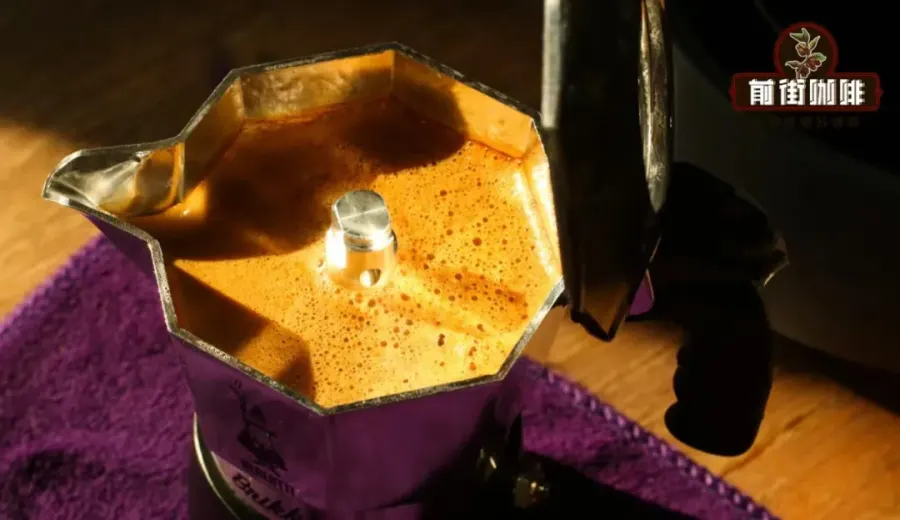
Introduction:Although the moka pot is not a professional espresso machine, thanks to its pressurized extraction principle, it can brew black coffee with a concentration close to that of espresso, making it a top choice for many home users. However, due to its relatively low pressure, adding milk directly can easily result in a watery taste. This article will delve into how to improve extraction efficiency and coffee concentration by adjusting the coffee-to-water ratio, grind size, and heat level, and will recommend several fruit- and flower-forward coffee beans suitable for use with the moka pot. Finally, we’ll guide you through making a well-balanced moka pot latte from start to finish.
The moka pot uses a pressurized extraction mechanism, which is similar to that of traditional espresso machines, allowing it to brew black coffee with a concentration similar to espresso. This makes it an ideal alternative for many home users. With this base coffee, you can further prepare various types of specialty coffee drinks, such as moka pot-style Americano, latte, or mocha. However, the pressure of the moka pot cannot fully match that of commercial espresso machines, and the resulting coffee concentration is only close to—not equal to—true espresso. Therefore, if milk is added directly, a noticeable watery taste may be perceived, affecting the overall mouthfeel.
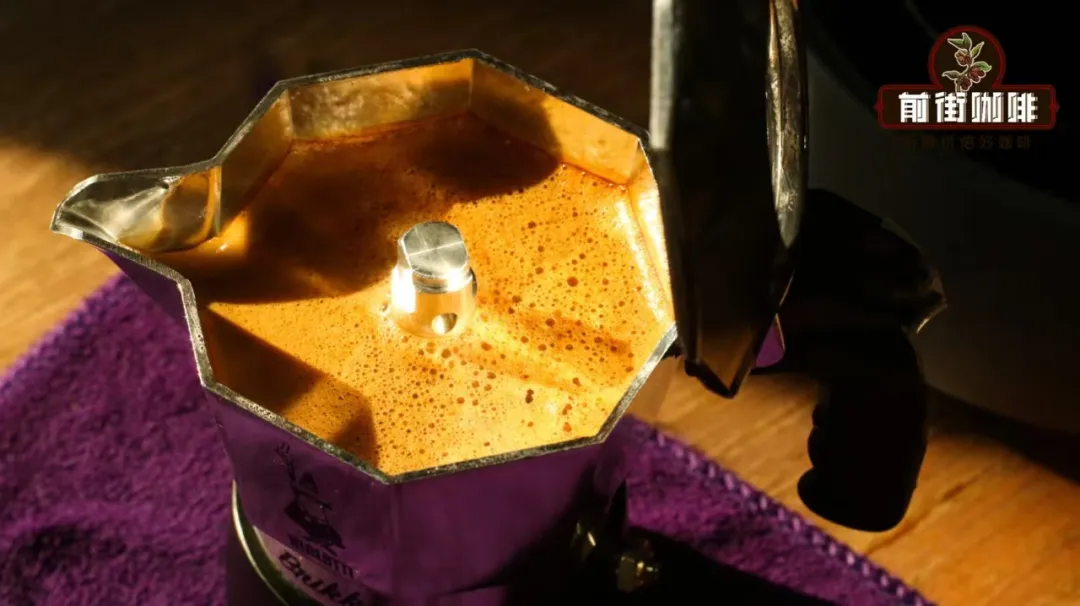
Therefore, the key lies in effectively increasing the coffee concentration extracted by the moka pot. This article will explain in detail why it’s necessary to adjust the coffee-to-water ratio and enhance extraction efficiency, and will provide specific recommendations on grind fineness, coffee dosage, and heat control. Additionally, several coffee bean options with prominent fruity and floral notes that pair well with the moka pot will be recommended. Using the classic medium-dark roasted Golden Mandheling as an example, we’ll walk you through making a moka pot latte from start to finish, mastering parameter settings and evaluating actual flavor performance.
The pressurized extraction characteristic of the moka pot makes it highly similar to espresso machines, so it’s suitable for making a base shot of espresso, which can then be used to prepare various milk-based or black coffees. Most coffee beans can be used in a moka pot, but if you prefer coffee with fruity and floral aromas, it’s recommended to prioritize medium-roasted single-origin beans (SOEs) or blends specifically designed for espresso.

If you’re seeking a refreshing and pleasant floral expression, the Gesha SOE from Granja La Esperanza is recommended. This bean showcases bright and clear flavors such as yellow peach, citrus, lemon, and berries. If you prefer a rich and layered fruity profile, Strawberry Sugar Espresso is a great choice, offering sweet aromas of rose, grape, berries, and gummy candy—it’s even beginner-friendly. These selections can bring more diverse and appealing flavor profiles to your moka pot coffee.
Although the moka pot also extracts coffee under pressure, the pressure it achieves is still far lower than that of professional espresso machines. As a result, the coffee concentration it produces can only approach that of espresso, not fully match it. This means that when you’re preparing milk coffee, if the coffee itself lacks sufficient concentration, even adjusting the milk ratio may result in a final product that feels somewhat thin in both taste and complexity.
Therefore, if you want to improve the overall performance of moka pot coffee, the primary task is to enhance the coffee's concentration itself. To achieve this, it’s recommended to approach it from two directions: one isincreasing the coffee-to-water ratio, and the other isenhancing overall extraction efficiency.
Coffee concentration refers to the proportion of dissolved solids in the liquid relative to the total volume of the coffee. When the total amount of substances released by the coffee grounds is fixed, using less water for extraction increases the proportion of coffee substances—that is, makes the coffee stronger. Conversely, the more water used, the lower the coffee concentration. Therefore, to brew coffee with a higher concentration, the amount of hot water used should be appropriately reduced.
However, when you reduce the amount of hot water used for extraction, extraction efficiency also declines, meaning that the aromatic and flavor compounds in the coffee may not be fully extracted. To ensure that the coffee still delivers a rich taste and complexity despite using less water, additional measures must be taken to enhance overall extraction efficiency.
Methods to improve moka pot extraction efficiency include grinding the coffee finer than usual (to a fineness similar to table salt), increasing the amount of coffee grounds per brew, and reducing the heat source once the coffee begins to flow to extend the extraction time. These fine-tuned adjustments help maintain or even improve extraction completeness while reducing the total output volume.

In addition to technical adjustments, the choice of coffee beans is also crucial. If you prefer milk coffee with a rich, full-bodied taste, minimal acidity, and strong flavors, it’s recommended to choose medium-dark roasted beans. This roast level not only highlights rich caramel and nutty notes but also provides more crema for milk coffee, enhancing the overall smoothness and body of the mouthfeel.
If you’re looking for a quick and suitable option, consider trying classic espresso blends, such as those based on Brazilian beans with the addition of Robusta. These beans typically have good body and crema characteristics, which can significantly enhance the richness of moka pot coffee and are also suitable for milk coffee applications like lattes, especially for latte art and blending.
In practice, we’ll use medium-dark roasted Golden Mandheling as an example to demonstrate how to make a balanced, espresso-like latte using the moka pot. This bean has distinct roasted aromas and can release rich crema, making it an ideal base for strong milk coffee.
Recommended parameter settings are as follows: use20 grams of coffee grounds, ground to afine salt-like consistency, withhot water, and control the coffee-to-water ratio at1:4. In terms of operation, first add water and coffee grounds into the moka pot, then heat it over a flame until the coffee begins to flow. When you hear a distinct hissing sound from the pot, it indicates that coffee is about to flow out. At this point, immediately turn off the heat and let residual heat complete the final extraction. This ensures stable and even coffee flow, maximizing extraction efficiency.

After extraction, pour the coffee into a cup, then add an appropriate amount of milk according to personal taste. In this example, we used about180 milliliters of hot milk, with a ratio of approximately1:3.5, suitable for those who enjoy hot lattes. Visually, this moka pot-made latte closely resembles the color and texture of commercially produced espresso machine lattes. In terms of flavor, the distinctive notes of nuts, chocolate, spices, and pine from the Golden Mandheling are clearly perceptible. Although the overall body is slightly less intense than that of a professional machine, the mouthfeel is smooth, significantly improving the common issue of wateriness. It’s a brewing method worth trying at home.
The above content is compiled by CoffeeHunters, a coffee news website.


