







Introduction:Want to enjoy a refreshing, low-temperature coffee in the summer but can't tell the difference between ice drip, cold brew, and iced pour over? This article breaks down the history, brewing principles, coffee-to-water ratios, grind size recommendations, and suitable beans for the three major low-temperature extraction methods, helping you find your ideal summer iced coffee based on taste preferences and brewing conditions — from beginner to advanced, all in one go.
On a hot summer day, a cool and crystal-clear coffee is undoubtedly the top choice for many coffee lovers to beat the heat. Among various low-temperature brewing methods, ice drip, cold brew, and iced pour over stand out with their refreshing taste and unique flavor layers, becoming popular drinks for many. However, these three methods differ significantly in extraction principles, coffee-to-water ratios, grind fineness, and the final flavor profiles. This article will start with the differences in principles to help you understand their unique characteristics, and provide practical advice on coffee-to-water ratios, grind sizes, and suitable beans, so you can choose the most suitable summer iced coffee solution based on your taste and equipment.
Ice Drip Coffee: The Ultimate Flavor of Slow Extraction
Ice drip coffee, also known as Dutch Coffee, dates back to the Dutch colonial period in Indonesia. It is said that the locally grown Robusta coffee beans had a strong and bitter flavor. To enjoy coffee in the hot climate, locals designed a device that slowly dripped cold water through coffee grounds, giving birth to this unique brewing method.
Unlike hot water extraction, in a low-temperature environment, many metallic and heavy substances in coffee are less likely to be released, while acidic and sweet compounds become more prominent. As a result, ice drip coffee usually has a clear fruit acidity, a sweet aftertaste, and rich layers. Additionally, because the dripping process is lengthy, the caffeine release ratio is higher, giving it a slight edge in terms of invigoration.
Traditionally, ice drip coffee has been especially popular in Asia, particularly in Japan and Korea, where it is also known as "Kyoto coffee" or "Japanese slow drip." This has led to the rise of well-known ice drip equipment brands such as Tiamo and Hario. When making it, it is generally recommended to use a medium-fine grind (about 75% passing rate through a Chinese No. 20 sieve), with a coffee-to-water ratio of 1:10 — that is, 60 grams of coffee grounds to extract 600 grams of coffee liquid, using a 1:1 ratio of ice to water mixture. A drip rate of 6 drops per 10 seconds is ideal, and the entire process takes about 6 to 8 hours. It is recommended to place two filter papers on top of the coffee bed to help water distribute evenly and prevent the coffee bed from collapsing. .
Cold Brew Coffee: Simple and Easy Low-Temperature Soaking
If you find ice drip equipment too complicated, cold brew is a more accessible option. This method of extracting coffee through long-term low-temperature soaking requires no complex tools — just cold water and time, making it suitable for home brewing.
The general recommendation is a coffee-to-water ratio of 1:10. For a single serving, use 15 grams of coffee grounds with 150 grams of hot water, then add 75 grams of ice cubes (five times the amount of coffee) for dilution and cooling. For a double serving, adjust to 20 grams of coffee grounds with 200 grams of hot water and 100 grams of ice cubes. However, it’s important to note that if the proportion of hot water is too low or the extraction time is shortened, it can lead to insufficient extraction of later-stage flavor compounds, resulting in a flat overall taste. To solve this issue, it's recommended to adjust the grind to a finer setting and extend the contact time between water and coffee grounds to enhance extraction efficiency.
Taking the EK43s grinder as an example, if the setting for hot brew is 10, for cold brew it can be adjusted to 9 to 9.5; if using a C40 hand grinder, the setting for hot brew is 24, while for cold brew it is recommended to use 22. Suitable beans include medium to light roasted beans, such as Tanzanian Kilimanjaro, which has a clear flavor and bright acidity, making it well-suited for cold brew.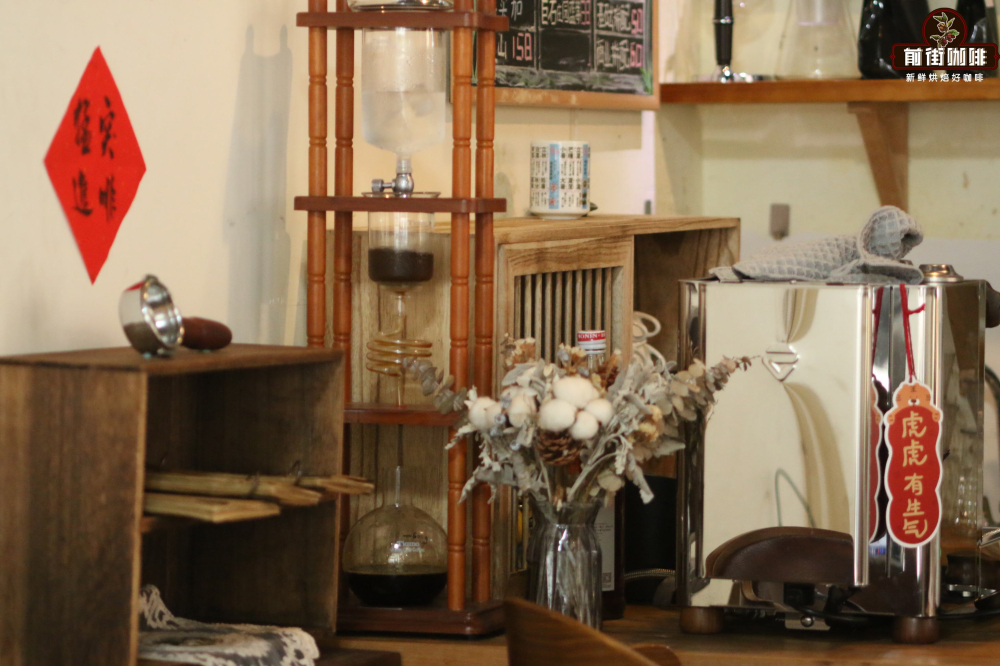 .
Iced Pour Over: A Flexible Option with Manual Flavor Control
Iced pour over is a compromise method where hot water-brewed coffee is cooled with ice cubes, combining the flexibility of pour over with the refreshing quality of iced coffee. It is recommended to maintain a coffee-to-water ratio of 1:10, such as using 15 grams of coffee grounds with 150 grams of hot water, plus 75 grams of ice cubes for dilution. The hot water temperature is advised to be set at 93°C, and a medium-fine grind (such as EK43s setting 9, 85% passing rate through a No. 20 sieve) is used to extend the extraction time and bring out the full flavor.
In terms of technique, a three-stage pouring method can be used: first, pour 30 grams of water in small streams in a circular motion around the center for a 30-second bloom, then pour 60 grams of water, and finally add the remaining 60 grams of hot water when the water in the filter is almost drained. The total extraction time is controlled between 1 minute 50 seconds and 2 minutes. This method is suitable for medium to light roasted beans with pronounced acidity, such as Ethiopian Yirgacheffe Guji Dingding, which can showcase layers of green grape, berry, nut, and light floral notes.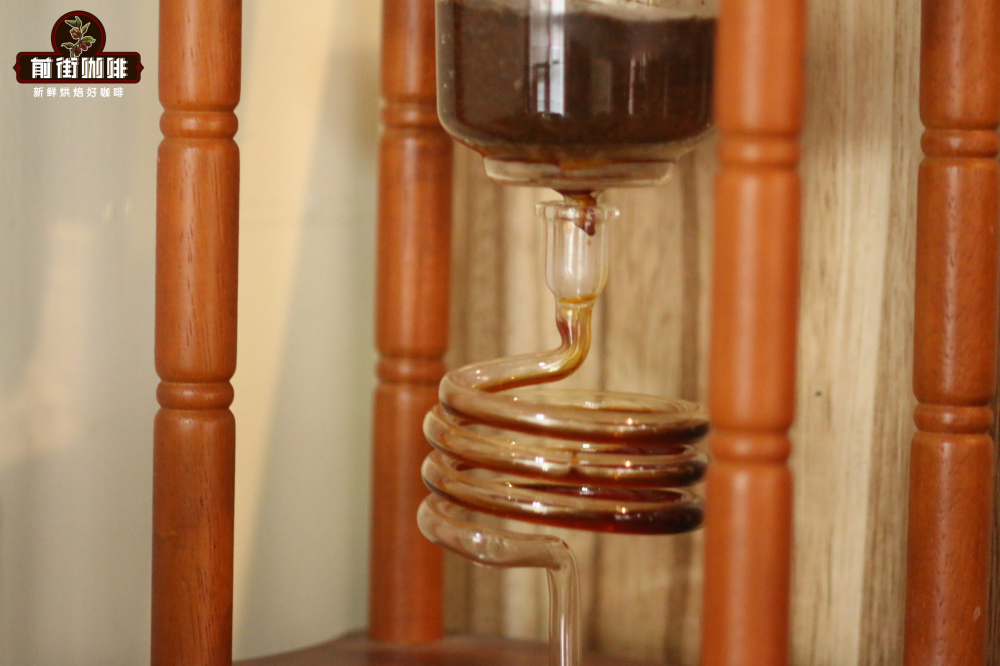 .
Flavor and Caffeine Differences Among the Three Methods
Both ice drip and cold brew are low-temperature extraction methods that can effectively suppress impurities and excessive bitterness, resulting in a smooth taste with balanced acidity and sweetness — particularly suitable for those who prefer refreshing fruity or floral notes. Among them, ice drip offers more intricate flavor layers due to its extremely low-temperature, slow-dripping process, but it is more complicated and time-consuming to make; cold brew, on the other hand, is simple and convenient, ideal for daily home brewing.
In comparison, although iced pour over also uses low-temperature cooling, it starts with hot water extraction, which makes it easier to release a fuller range of flavor compounds, including some body and high-temperature flavors. However, if not well controlled, it may also bring out excessive astringency or harshness.
Additionally, due to the long contact time in low-temperature extraction, both cold brew and ice drip tend to have relatively higher caffeine release. Those sensitive to caffeine should consume them in moderation. If you prefer a lower caffeine experience, iced pour over with short hot water extraction is recommended, along with appropriate control of coffee dosage and concentration.
Recommended Beans and Grind Adjustment Tips
Regardless of which method you choose, medium to light roasted coffee beans with pronounced acidity and fruity notes generally perform better. For example, specialty processed Yirgacheffe, Sidamo Huakui, Panamanian Geisha, and Costa Rican Strawberry Candy with jammy and fermented aromas can all showcase unique tropical flavors and layered complexity under low-temperature extraction.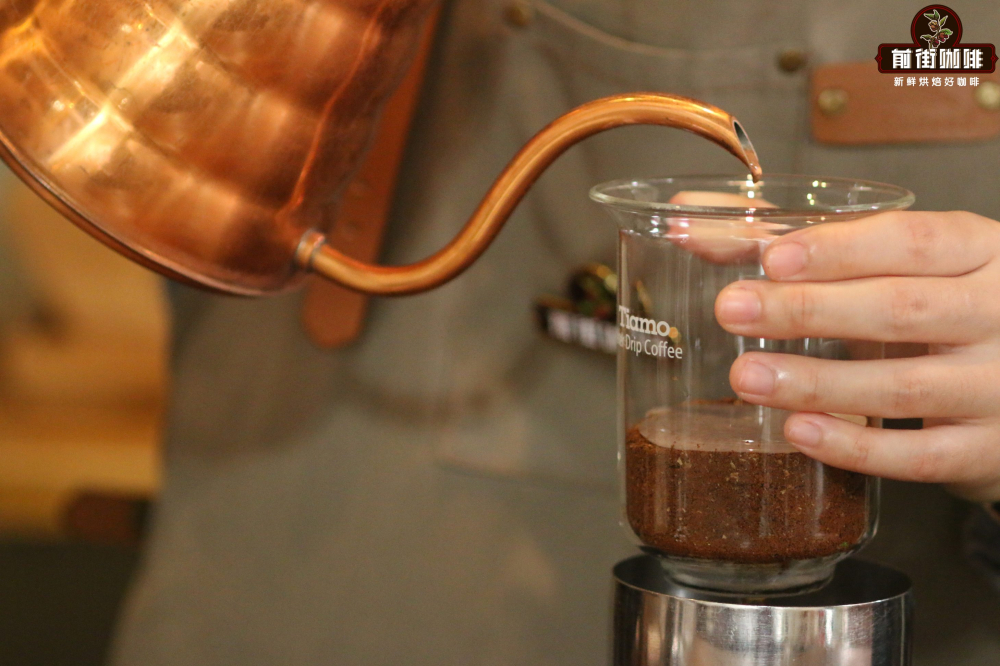 .
In terms of grind size, it is generally recommended to be slightly finer than usual for hot brew to extend the water-coffee contact time, but avoid going too fine to prevent over-extraction or filter blockage. Fine-tuning according to the characteristics of different grinders is key to achieving ideal extraction.
Visual Reference
For visual references of equipment illustrations and step-by-step images, including the structure of an ice drip kettle, pour over pouring techniques, and coffee bed arrangement, please refer to the images below.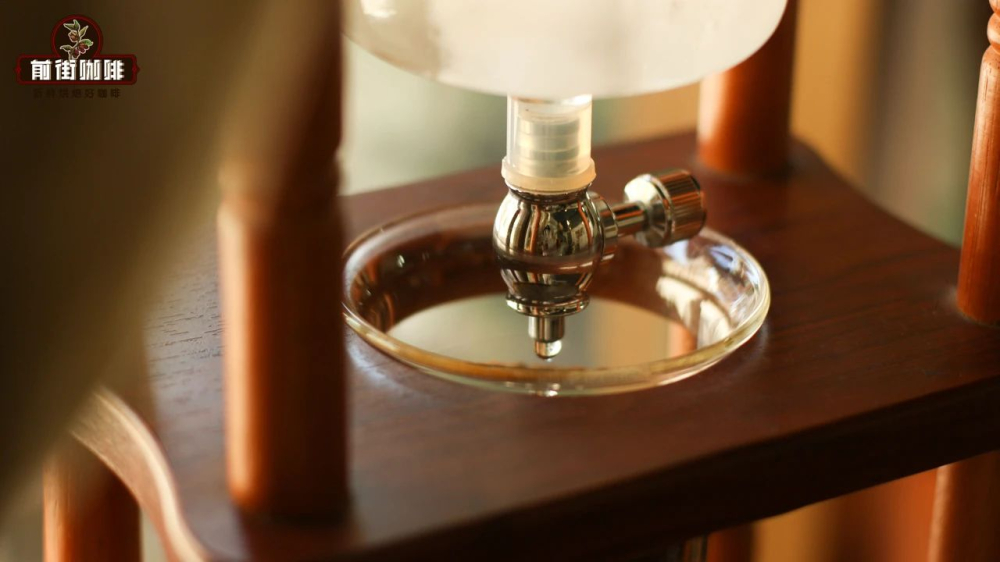 .
The above content is compiled by CoffeeHunters, a coffee news website.


