







Introduction:Dive deep into the unique flavor profile of Indonesian Sumatra Mandheling coffee, from its terroir environment and wet-hulling processing method to the strict selection criteria of Golden Mandheling. Discover the charm of this classic low-acidity, full-bodied bean. We also provide expert pour over parameters, including water temperature, grind size, and three-phase pouring techniques, to help you effortlessly extract a layered coffee experience.
With its low acidity, full body, and rich texture, Mandheling coffee has become a top choice for many who prefer less acidic brews. This Arabica bean originating from Sumatra, Indonesia, is known for its complex aromas of herbs, aged wood, and earthiness, making it particularly appealing to coffee lovers who enjoy dark roasts and strong espresso-like profiles. This article will fully explore the history, regional characteristics, and processing techniques of Mandheling, while also detailing the selection standards of a high-end grade such as Golden Mandheling from a well-known brand. Additionally, we offer practical pour over brewing suggestions so you can enjoy a professional-grade coffee experience at home.
Many coffee beginners often ask, “Is there a coffee that isn’t acidic?” Mandheling is one of the classic answers. Compared to the pronounced fruit acidity of beans from other regions, Sumatra Mandheling is known for its dense mouthfeel and low acidity, especially favored by those who prefer bold black coffee. The fame of this coffee is closely tied to Japanese promotion in the 20th century. Its name, “Mandheling,” actually stems from a linguistic misunderstanding—originally a mishearing of the local ethnic group “Mandailing”—yet this twist of fate gave rise to a legendary coffee story.
Mandheling coffee is primarily grown on the island of Sumatra in Indonesia. As an island-type Arabica variety, it differs from the more common commercial Robusta beans. Most Mandheling here is carefully processed as premium single-origin beans. The main growing areas are concentrated in the high-altitude ecological zones of the northern region, at elevations of 1200 to 1500 meters, such as the renowned Lintong and Mandheling areas. Lintong coffee specifically refers to beans produced by smallholder farms in volcanic soil plateaus, often shade-grown and free from chemical fertilizers, resulting in stable green bean quality with unique regional flavors. In a broader sense, Mandheling also includes nearby regions such as Diari and areas around Lake Toba, which share similar altitudes and microclimates, creating a diverse yet unified flavor profile for Sumatran coffee.
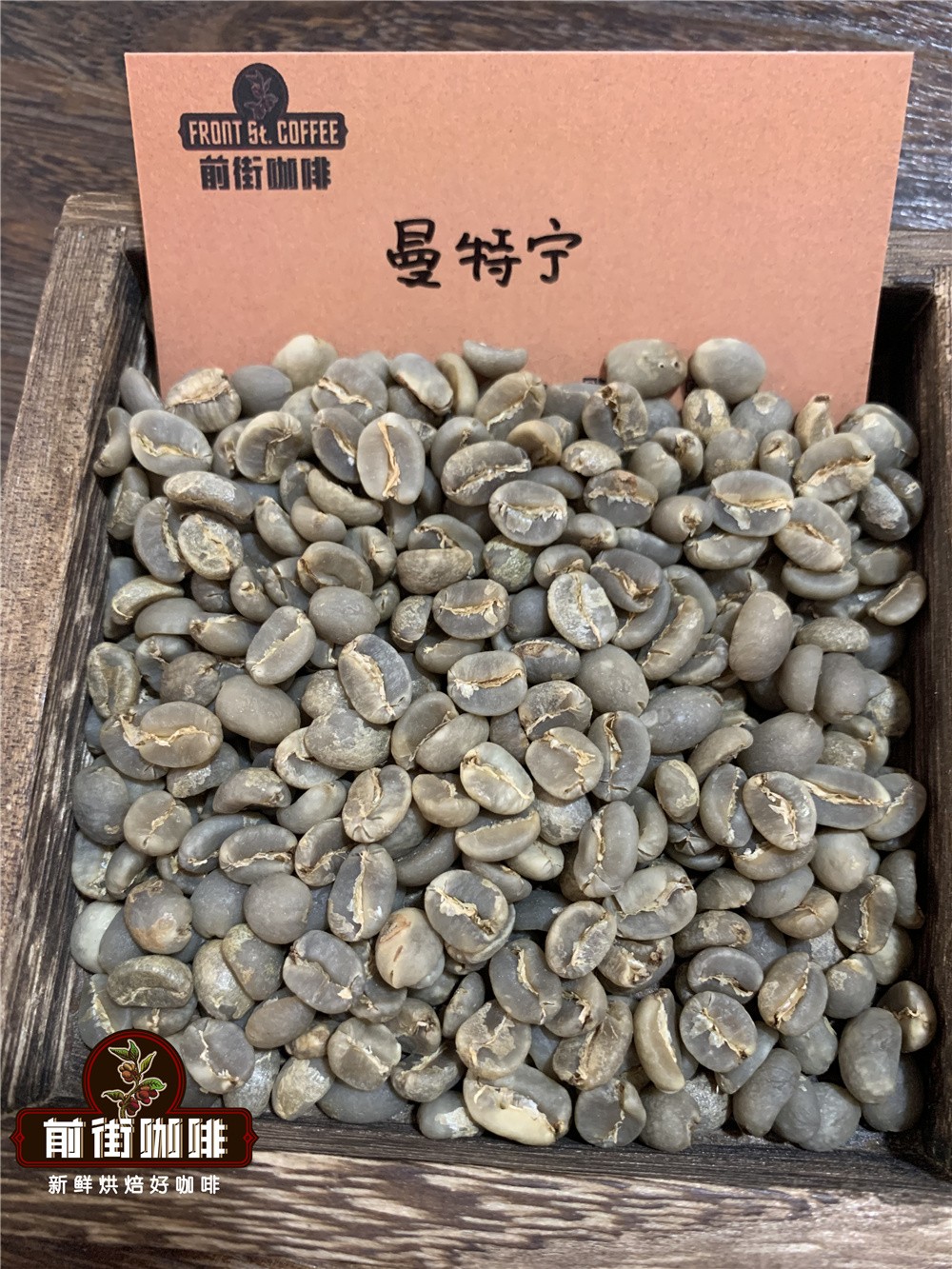
When it comes to premium Mandheling, one cannot overlook the “Golden Mandheling” grade. This is a top-tier product registered and strictly controlled by Indonesia’s prominent coffee exporter, PWN (Pusat Penyangga dan Pemasaran Kopi Nusantara). It is known for its extremely low defect rate and uniformly plump beans. Golden Mandheling green beans must undergo multiple rounds of manual sorting, with no more than 3 defective beans per 300 grams sample, and only whole beans of 18 mesh size or larger are selected, resulting in a clean and bright flavor profile. Compared to regular Mandheling, the Golden grade significantly reduces the traditional herbal and earthy notes, instead highlighting purer caramel sweetness and softer fruit acidity, with a finish that carries hints of chocolate and nuts. It is highly favored in European and American markets.
The reason Indonesian Mandheling boasts distinctive herbal, aged wood, and earthy aromas is inseparable from its unique “wet-hulling process.” Developed in response to the region’s rainy climate and economic conditions, this method follows a three-stage drying process: first, the pulp and mucilage are removed and the beans are only partially dried; next, the parchment layer is removed; finally, the beans are continuously dried until their moisture content reaches 12%-13%. This special technique gives the green beans a dark green appearance and very high density, while also shaping Mandheling’s low acidity, full body, and unique musty aroma—key features that set it apart from coffees of other regions.
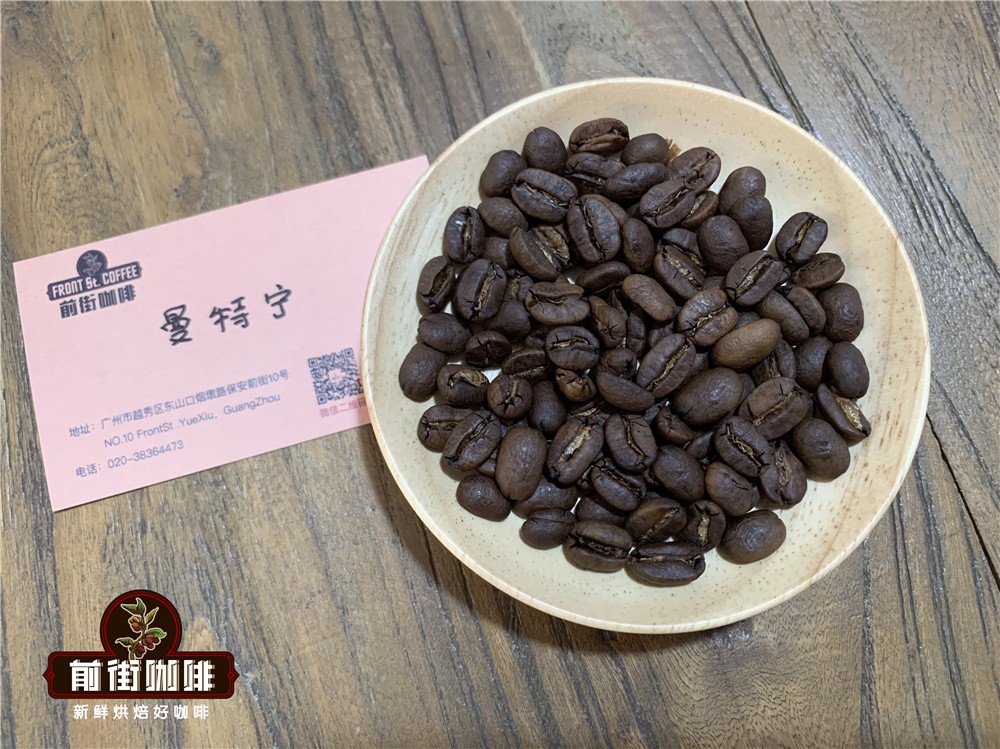
If you want to brew Sumatra Mandheling at home, it is recommended to use beans roasted to a medium-dark level to enhance their full-bodied character. In practice, use water at 88°C paired with a medium-coarse grind (approximately 75% passing through a Chinese standard No. 20 sieve), and opt for a slower-flow filter cone such as the KONO filter, which helps balance extraction and avoid over-extraction. For specific brewing, you can adopt a three-phase pouring method: start with a 30-gram bloom for about 30 seconds, then slowly pour in a circular motion up to 125 grams for the first pour. Once the water level drops slightly, continue pouring up to a total of 225 grams, achieving a 1:15 coffee-to-water ratio. Keep the total extraction time around 2 minutes to fully showcase Mandheling’s layered profile and full-bodied base.
The flavor profile of Lintong Mandheling from a well-known brand often includes roasted toast, nuts, caramel, and herbal notes, representing the typical low-acid, strong-bodied style of Sumatra. Golden Mandheling, due to its higher-quality selection, exhibits a fresher array of spice and herbaceous layers, combined with robust nutty and brown sugar aromas, and a long-lasting chocolate finish, achieving even better overall balance. Regardless of which grade you choose, it is recommended to use freshly roasted beans within 5 days of roasting and allow the beans to degas for 4–7 days to reach their optimal flavor window. If you opt for pre-ground coffee, although it can be brewed immediately, be mindful of oxidation issues and consume it as soon as possible to preserve the best flavor expression.
For coffee beginners or consumers looking for a daily brew, Sumatra Mandheling offers an excellent choice that balances complexity with drinkability. Whether you’re a single-origin enthusiast seeking a full-bodied profile or a newcomer wanting to explore the allure of low-acid dark roasts, this classic Indonesian bean delivers a rich and satisfying experience. By understanding its origin background, processing methods, and appropriate brewing parameters, you’ll be able to more deeply appreciate the unique personality of this legendary coffee.
The above content is compiled by CoffeeHunters, a coffee news website.


