







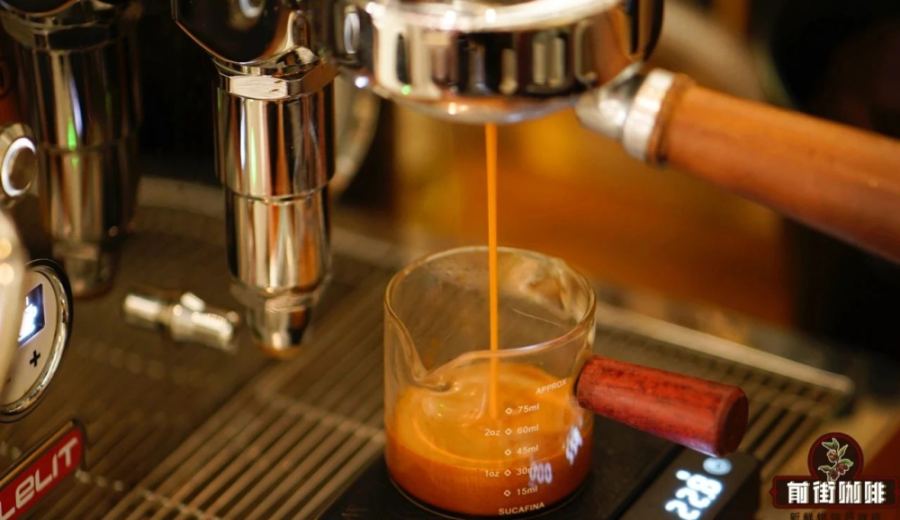
Introduction:Espresso is renowned for its intense flavor and small serving size, serving as the foundation for many classic coffee beverages. The golden crema on its surface is a key factor influencing both taste and aroma. This article will delve into the science behind crema formation, help you assess extraction quality by observing the appearance of the crema, and offer practical brewing parameter suggestions along with troubleshooting tips to guide you from beginner to expert.
Though small in volume—often just a few sips—espresso leaves a lasting impression with its rich aroma and bold flavors. Its most distinctive feature is undoubtedly the golden layer of oil floating on the surface: crema. However, many newcomers are initially put off by its intense taste. In fact, with simple adjustments—like adding hot milk or water—it can easily transform into popular drinks like lattes or Americanos. But how is this captivating layer of oil created? And what does it reveal about the extraction process? Let’s start with the mechanism behind crema formation.
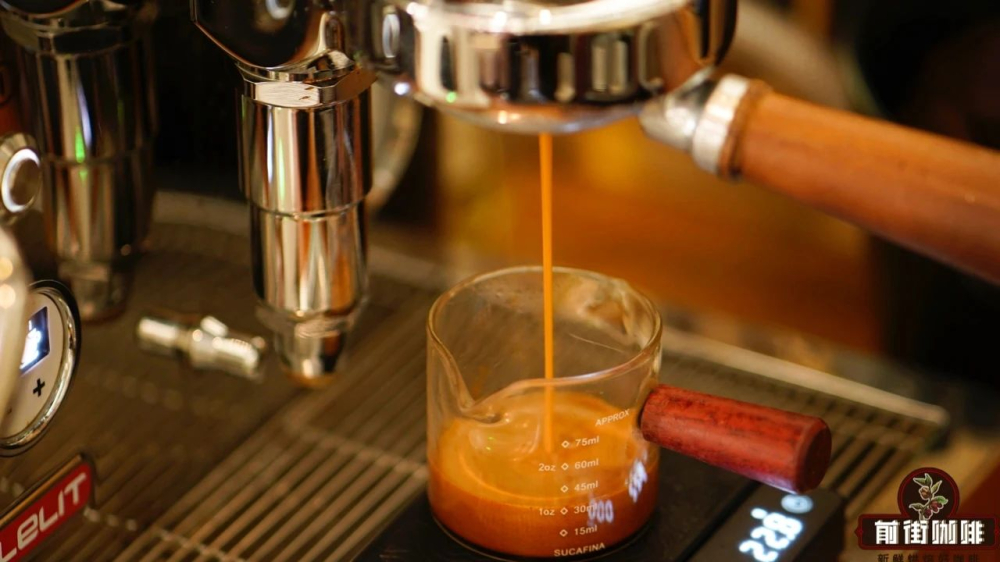
Crema is not ordinary oil in the conventional sense, but rather a stable foam layer formed when insoluble solid coffee fats encapsulate carbon dioxide gas under high-pressure extraction conditions. Only under approximately 9 bars of high pressure can the carbon dioxide within the coffee puck be effectively retained and emulsified with oils, eventually rising to the surface to form this delicate, golden layer. It’s not just a visual delight but also plays a crucial role in overall flavor, aroma release, and mouthfeel protection. Especially when making milk-based espresso drinks, crema helps integrate milk foam with coffee and provides a stable base for latte art.
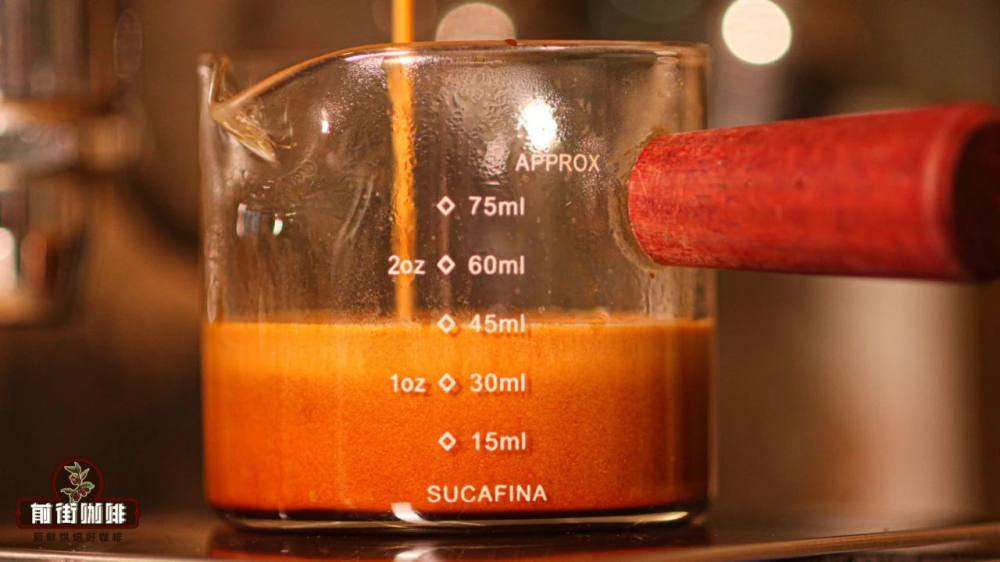
So, what constitutes high-quality crema? From a professional standpoint, ideal crema should exhibit a uniform golden to amber hue, have a smooth, buttery texture, and possess good viscosity and clinging properties. When the cup is gently shaken, the crema should stretch like silky mousse rather than quickly breaking apart or separating. Such a crema layer not only makes the coffee more visually appealing but also adds complexity to the drinking experience while helping sustain the release of coffee aromas.
To successfully extract such crema, selecting the right coffee beans is essential. It is recommended to prioritize medium to dark roasted beans, especially those within their optimal freshness window (roughly 45 to 60 days), when the beans still contain ample carbon dioxide to support crema formation. Additionally, incorporating a small amount of Robusta beans into the blend can effectively enhance the richness and stability of the crema. For example, some commercial espresso blends that include a suitable proportion of Robusta often naturally yield thick, vibrant crema layers.
Beyond bean selection, every step of the extraction process is critical. Stable high water pressure, appropriate grind size, uniform tamping pressure, and suitable extraction time all significantly influence crema performance. Generally, extraction pressure should be maintained around 9 bars, water temperature should be controlled between 90°C and 96°C, and grind size may need fine-tuning based on the beans to ensure a balance between flow rate and pressure. Only when all these conditions are ideally met can the aromatic compounds and carbon dioxide in the coffee be fully released, resulting in the desired crema layer.
Observing the appearance and texture of crema can actually provide many clues about whether the extraction was successful. If you find that the extracted coffee has no crema at all, or only an extremely thin film, possible causes may include beans that have been stored too long and lost their carbon dioxide, an overly coarse grind, uneven tamping, or insufficient machine pressure. Additionally, low water temperature can also suppress crema formation. In such cases, it’s advisable to check the freshness of the beans and reassess your grind and tamping procedures.
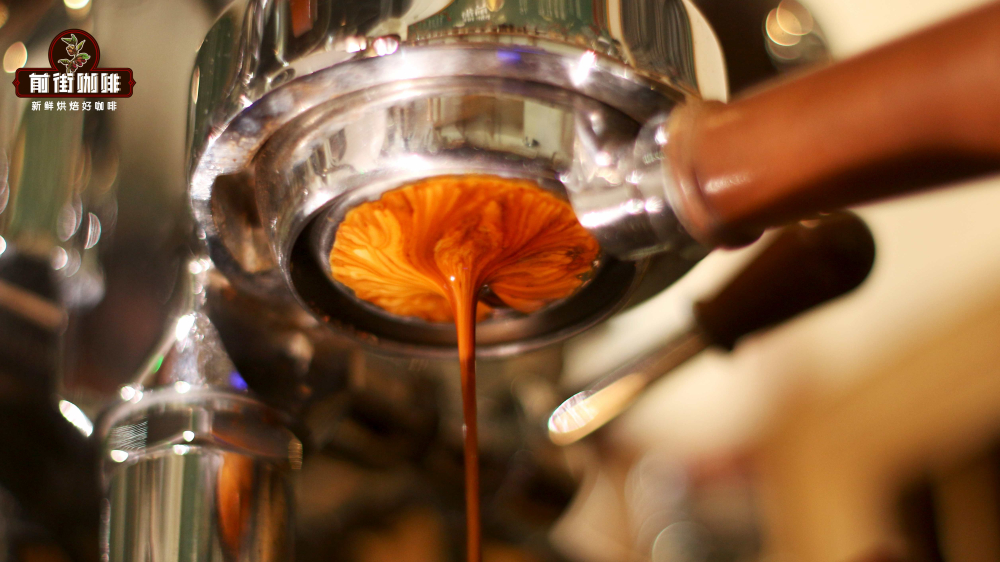
If the crema you observe is pale in color, lacking golden luster, and accompanied by a sharp acidic taste, it’s likely due to using coffee beans that are roasted too lightly. Some beans that are known for their bright fruity acidity and are typically better suited for pour over may result in imbalanced flavors and abnormal crema coloration when used for espresso due to under-extraction.
When the crema appears rough, overly bubbly, or dissipates quickly, it’s usually a sign that the coffee beans are too fresh. The carbon dioxide in freshly roasted beans hasn’t had enough time to dissipate, and when these gases are forcefully emulsified under high pressure, they often fail to stably encapsulate the oils, leading to a foam layer that breaks apart rapidly.
If you notice the crema layer is clumpy, uneven, and lacks fluidity—resembling over-whipped foam—this may be due to over-tamping, uneven coffee distribution, or pressure fluctuations during extraction. Such crema not only looks unappealing but often indicates uneven extraction, which can negatively affect the final flavor profile.
In summary, crema is one of the souls of espresso, and its formation and maintenance involve multiple factors including bean quality, roast level, brewing equipment, and technique. By observing the color, texture, and stability of the crema, you can not only assess the success of the extraction, but also make real-time adjustments to parameters, gradually refining your coffee-making skills. Whether you’re just starting out or already have some experience, understanding these details will give you greater confidence in tackling every espresso challenge.
The above content is compiled by CoffeeHunters, a coffee news website.


