







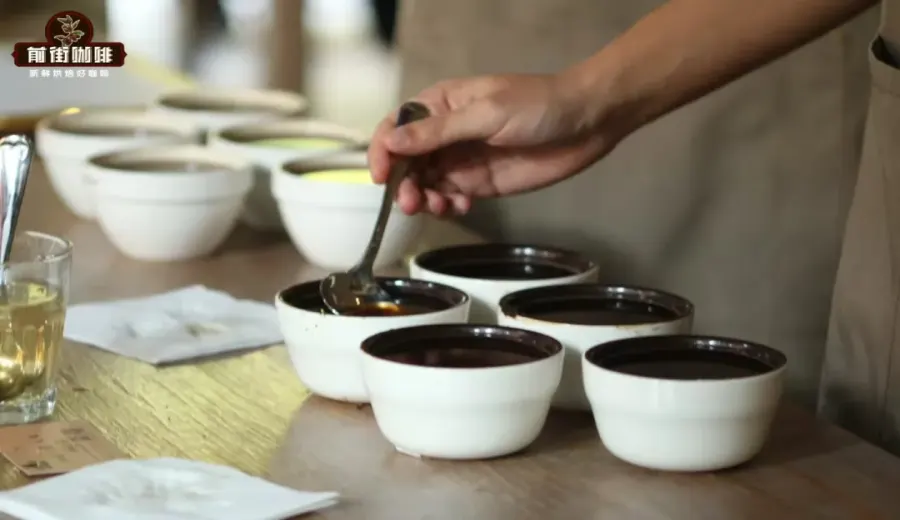
Introduction:Cupping is an essential professional method for evaluating coffee quality. By standardizing variables, it allows for fair comparison between coffee beans from different regions and processed in various ways. This article explains the standard cupping procedures in detail, including key parameters such as coffee dosage, water temperature, and brew ratio, and describes how to assess the quality of coffee through sensory evaluation. Whether you're a casual enthusiast or an advanced coffee lover, you can learn practical cupping techniques and important considerations here.
Cupping, as a scientific coffee evaluation method, has a relatively short history but has become the common language for assessing green bean quality and flavor in the industry. Compared to everyday pour over or espresso brewing, cupping emphasizes showcasing the intrinsic characteristics of coffee under strictly controlled conditions, facilitating horizontal comparisons.
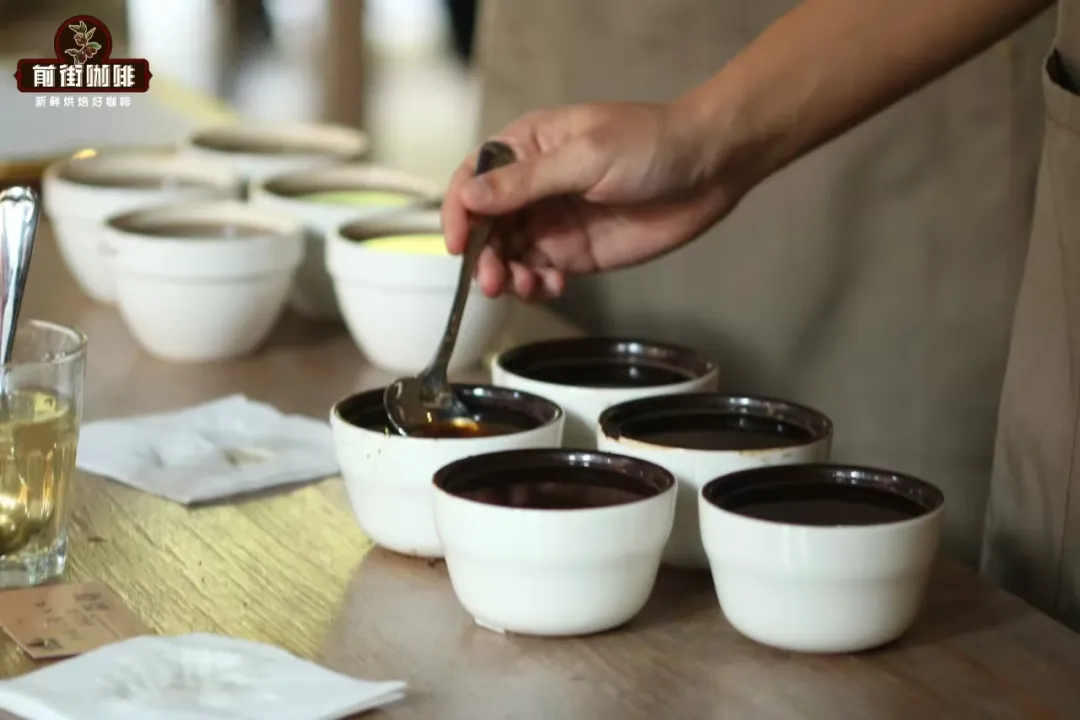
When conducting a standard cupping session, the first step is to control the ratio of coffee dosage to water volume. It is generally recommended to use11 to 12 grams of coffee groundsper cup, brewed at abrew ratio of 1:18.18. This ratio ensures that the extraction is neither overly concentrated nor too dilute, helping to highlight the layers of flavor.
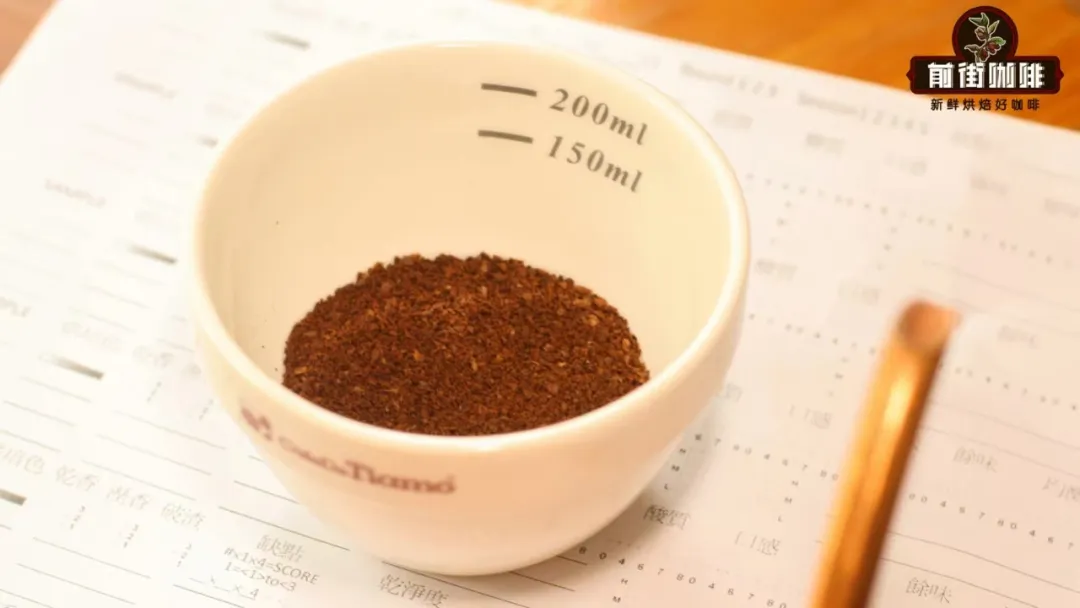
The grind size of the coffee is also critically important. Typically, it should allow75% of the grounds to pass through a No. 20 sieve— meaning the particle size is roughly between that of pour over and French press. This grind size ensures an appropriate extraction rate, avoiding over-extraction or under-extraction.

Water temperature is another major factor influencing extraction efficiency. For cupping, it is recommended to usewater heated to 94°C. This temperature effectively draws out the aroma and flavor compounds in the coffee without being so high as to cause over-extraction or bitterness. If the water is too cool, it may lead to incomplete extraction and underdeveloped flavors.
In addition, water quality should not be overlooked. Ideally, the total dissolved solids (TDS) of the water should be between75 and 250 ppm. Mineral content that is too high or too low can both affect the final cup quality. It's recommended to use filtered neutral water, avoiding chlorine or impurities in tap water that could interfere with taste judgment.
During the cupping process, after mixing the coffee grounds with hot water, let the mixture restfor 4 minutesto allow infusion. This time lets the coffee grounds fully expand and release rich aromas and flavors. After infusion, the evaluator will use a cupping spoon to break the crust—that is, the layer of floating grounds on the surface—and smell the aroma. This step is particularly important for assessing the coffee’s aromatic profile.
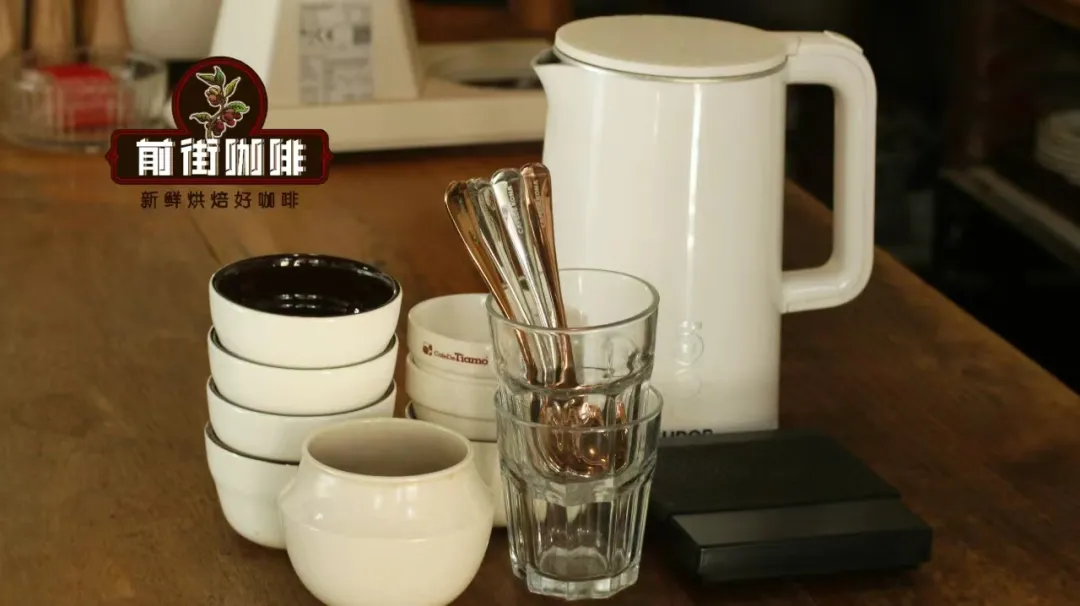
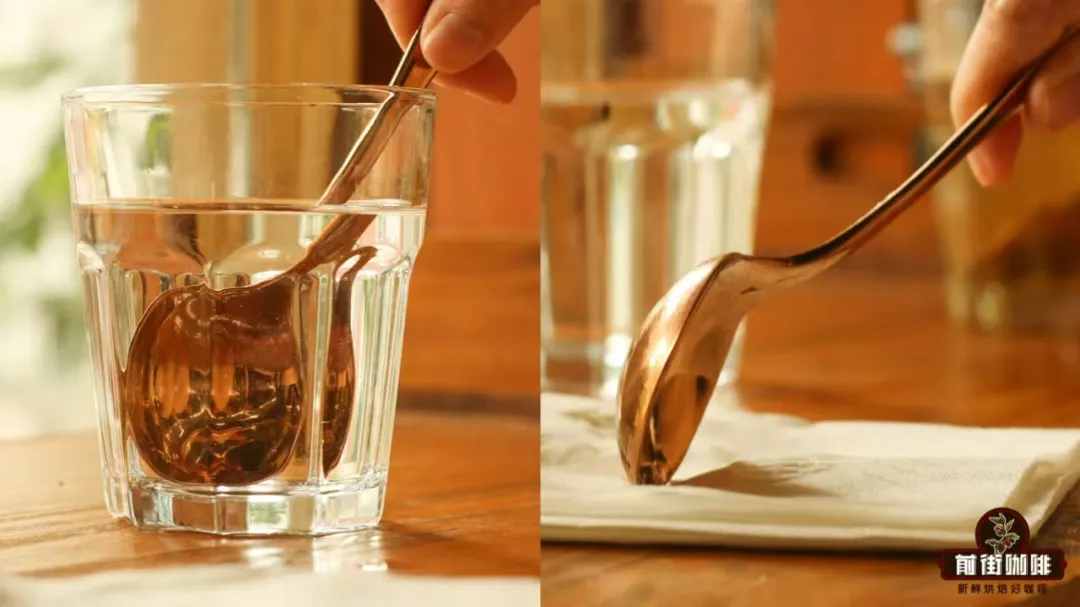
In evaluation, taste is as important as smell. The cupper will take a sip of coffee, allowing the liquid to atomize in the mouth, which helps flavors develop fully on the palate. Key evaluation criteria include: cleanliness, sweetness, acidity, body, aftertaste, and overall balance. These indicators help the evaluator comprehensively judge a coffee’s quality and potential.
The advantage of the cupping method lies in its high degree of standardization, which minimizes the variability introduced by individual brewing habits, enabling evaluation of different batches, origins, or processing methods under identical conditions. However, it also has limitations—for instance, it does not fully simulate everyday brewing scenarios, and it requires a certain level of sensory training from the evaluator.
In practice, many coffee roasters and green bean traders regularly conduct cuppings to screen beans with commercial potential. For amateur enthusiasts, learning cupping skills not only enhances coffee appreciation abilities but also aids in making smarter purchasing decisions.
In summary, cupping is a sensory and scientific evaluation tool. Mastering its standard procedures and key parameters allows enthusiasts to gain a deeper understanding of coffee’s diverse profiles. Whether for professional growth or personal interest, understanding cupping is a crucial step into the world of specialty coffee.
The above content is compiled by CoffeeHunters, a coffee news website.


