







Introduction:To brew a well-balanced Americano, beyond the machine itself, key details lie in everything from grind size to coffee bean selection. This article delves into the appropriate grind range for American coffee makers, the differences between freshly ground and pre-ground coffee, the extraction principles involved, and explores the flavor distinctions between espresso and American-style coffee. It also provides practical tips to help you master professional-level brewing techniques at home.
When making American coffee, many coffee enthusiasts often focus on factors like water temperature, coffee-to-water ratio, or machine type, yet overlook the grinding process — which has a significant impact on the final flavor. In fact, the coarseness of the coffee grounds directly determines whether extraction is even, thereby affecting the overall taste profile of the cup. This article will start with the fundamental differences between freshly ground and pre-ground coffee, then gradually analyze the suitable grind range for American coffee makers, the grinding logic behind different extraction methods, and further explore the evolution and flavor characteristics of espresso vs. American coffee. Practical advice is also included to help you more comprehensively grasp the essentials of making American coffee.
In the overall coffee-making process, grinding is often seen as a secondary step, but its impact on flavor should not be underestimated. Many customers walking into coffee shops tend to ask about brewing water temperature, coffee dosage, or suitable pour-over equipment, yet few actively inquire about the coarseness of the coffee grounds. Notably, nowadays many people opt for the convenience of buying pre-ground coffee, but those who understand coffee know that pre-ground coffee generally delivers far inferior flavor compared to freshly ground. This is why “freshly ground coffee” has increasingly become a key selling point for cafes.
Why is freshly ground coffee superior? The primary reason is freshness. Even when vacuum-sealed, pre-ground coffee still can't match freshly ground. The main causes of coffee flavor degradation include moisture, oxidation, and the loss of carbon dioxide. Coffee beans contain a variety of unstable compounds that begin reacting and breaking down rapidly after grinding. More importantly, the grinding process significantly increases the surface area of the beans, allowing ambient moisture to penetrate more easily. This can not only dissolve precious oils but also accelerate the escape of aromatic compounds. The release of carbon dioxide is similarly affected, meaning pre-ground coffee often already suffers in both flavor and aroma. It's recommended to grind and brew immediately whenever possible; if immediate use isn’t feasible, pre-ground coffee should be stored in a vacuum-sealed, light-proof, and odor-free environment to slow flavor loss.
Grinding your own coffee not only preserves more of the original flavors but also allows for more precise control over grind size — one of the core factors influencing coffee extraction. Different brewing methods call for different grind sizes, so choosing the right grinder and settings is crucial.
Home coffee grinders can generally be divided into two main categories: manual and electric. Electric grinders can be further subdivided by model, though we won’t go into detail here — interested readers can look up related information separately. In the early market, blade or propeller-style grinders were once popular, but these models cannot adjust grind settings and rely solely on grind time to control coarseness, resulting in uneven particle sizes. As a result, they have gradually been phased out. Although such grinders are inexpensive and may be used temporarily on a limited budget, they are not recommended — especially not for espresso, which requires precise grinding. They can only barely suffice for devices with lower grind requirements, such as French presses or American drip machines.
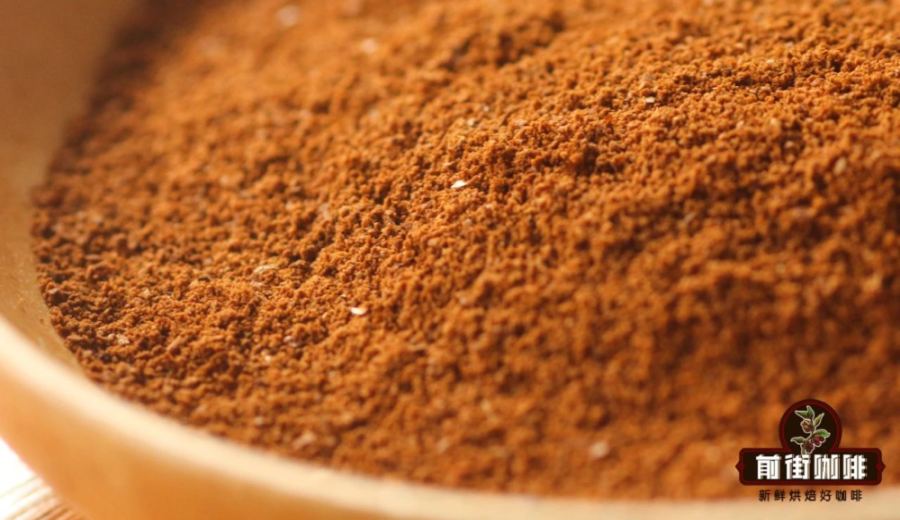
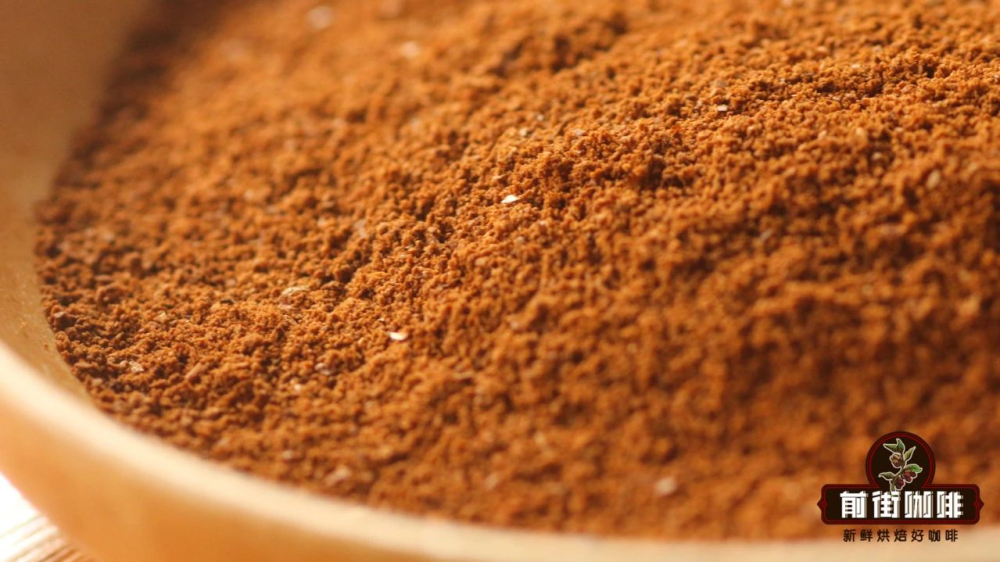
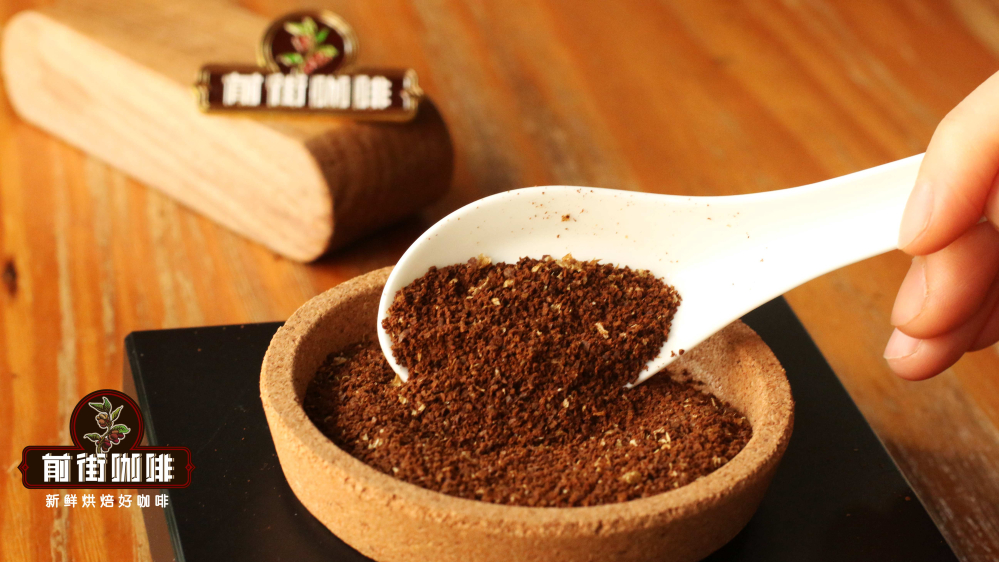
Focusing on American coffee makers, although the coffee field today has very detailed classifications for grind size and equipment compatibility (e.g., extra coarse, coarse, medium-coarse, medium, medium-fine, fine, extra fine), for ease of understanding, we’ll simplify grind levels into three categories: fine, medium, and coarse. For devices primarily using drip or immersion brewing methods (such as common American coffee makers), a medium grind is recommended. This is because during the brewing process, grind size significantly affects the efficiency of coffee extraction.
The brewing principles of drip and immersion coffee mean that coffee grounds and water have a relatively long contact time. If the grind is too fine, the large contact surface between water and coffee grounds can easily lead to over-extraction, resulting in noticeable bitterness and astringency. Conversely, if the grind is too coarse, under-extraction may occur, leading to a weak, “watery” taste. So, how coarse should the coffee grounds be for an Americano? A simple way to judge is by using a standard #20 sieve for testing: if the throughput rate falls between 70% to 80%, it can be classified as a medium grind — suitable for most American coffee makers.
In contrast, espresso pursues a rich, balanced, and quickly extracted flavor, typically requiring extraction within 20 to 30 seconds. This necessitates a much finer grind — the coffee particles are nearly as fine as flour (used here as an analogy) — in order to fully release flavors within a short time. The grind size used in American coffee makers is closer to that of coarse salt. Readers familiar with pour-over brewing may notice that coffee made with pour-over filters often retains some granular texture. This is because the pour-over extraction time is around 2 to 3 minutes, similar in principle to American drip machines — both are longer-duration extraction methods.
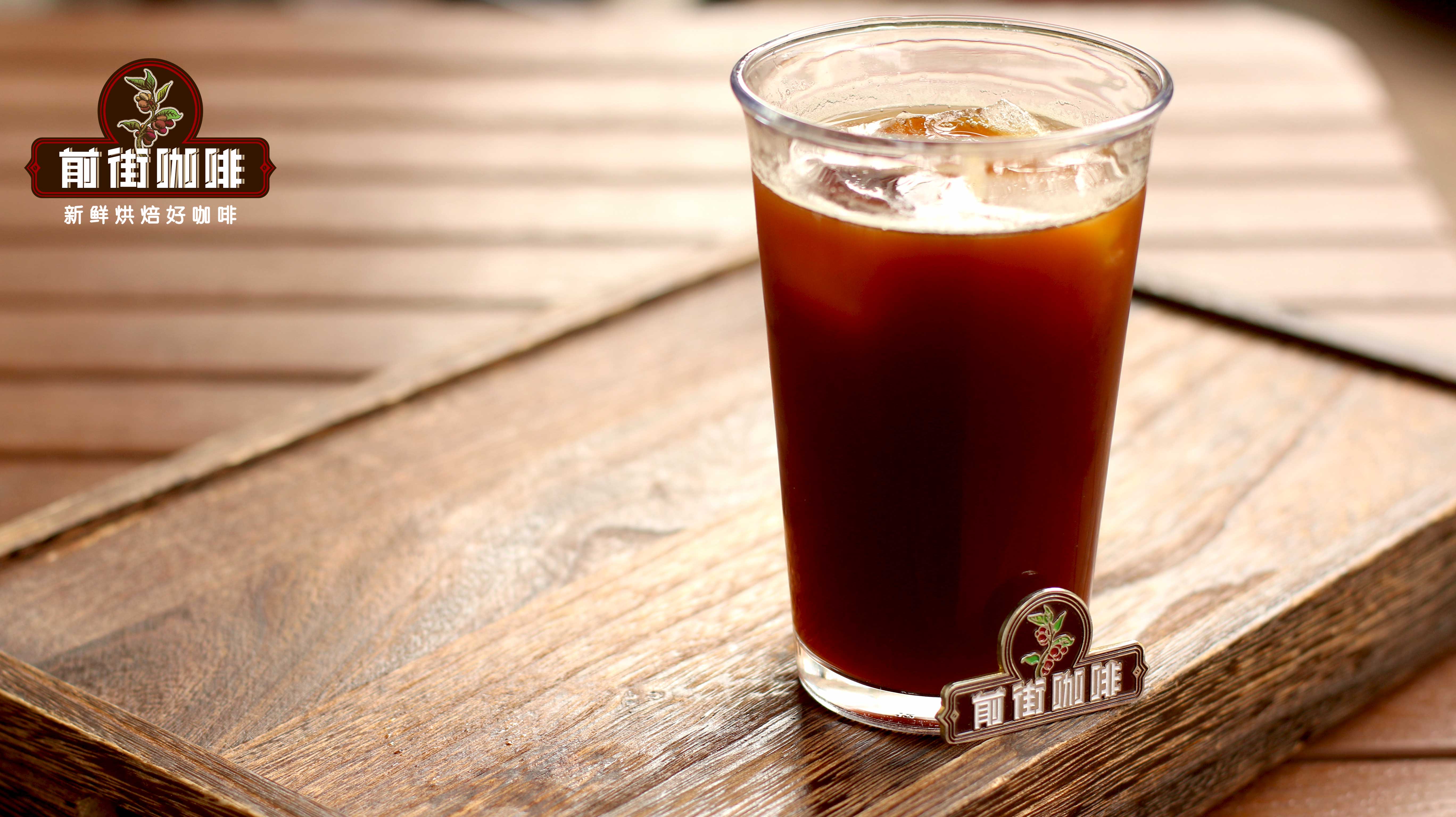
So, what are the differences in the flavor of American coffee made with varying grind sizes? This requires us to revisit the essential differences between espresso and American coffee. Modern American coffee actually originates from espresso. During World War II, American soldiers stationed in Europe first encountered the strong flavor of espresso and found it too intense to adapt to, so they began adding water to dilute the espresso, adjusting it to a flavor more akin to traditional American drip coffee. This practice gradually spread among the troops and was later mockingly referred to by Europeans as “American coffee.” It’s worth noting that American drip machines can only make hot coffee. If you want to enjoy iced Americano, it usually requires using espresso extracted from an espresso machine as the base, then mixing it with ice and water.
As for the flavor profile of American coffee, the choice of coffee beans is key. If you prefer fruity notes, consider beans with pronounced flavors of grape, passion fruit, or citrus — these varieties often undergo special processing methods (like anaerobic fermentation) that bring richer layers of taste. Additionally, drip coffee makers are adaptable to a wide range of roast levels, whether medium, medium-dark, or even light roast can be tried. However, espresso machines are better suited to dark roasted beans, as the dark roasting process reduces acidity, enhances body, and releases more oils, giving the espresso shot a fuller mouthfeel — which is also the mainstream flavor profile of espresso in the current market. While light roast beans can also be used in espresso machines, the high-pressure, high-temperature extraction environment might amplify the inherent characteristics of the bean variety, leading to overly prominent acidity. Over-roasted beans, on the other hand, can easily produce burnt flavors, affecting the overall balance of taste.
The above content is compiled by CoffeeHunters, a coffee news website.


