







Introduction:Want to enjoy café-style strong espresso at home without splurging on a professional machine? A moka pot is an economical and practical choice. This article delves into the structure and principles of the moka pot, teaches you how to select suitable coffee beans based on different roast profiles, master the optimal grind size, use filter paper to enhance flavor, and offers safety tips for stove-top heating. Whether you're a beginner or an experienced coffee enthusiast, you'll gain useful and professional inspiration for home brewing.
Easily brew rich-tasting espresso at home—even without an espresso machine, just a moka pot can deliver a café-level experience. This article will detail the usage tips for a moka pot, including suitable types of coffee beans, precise grind settings, the use of filter paper, and safety precautions, guiding you step-by-step to achieve a successful extraction. Whether you’re new to brewing or already have some experience, you’ll find it truly helpful.
With the rise of specialty coffee, more and more coffee lovers are choosing to brew at home instead of settling for takeout. A variety of brewing devices have emerged on the market, and among them, the moka pot—thanks to its simple design and affordable price—has become many people’s first choice for trying espresso-style flavors. But how do you use a moka pot to brew truly rich and smooth coffee? Let’s start with the basics of its construction.
The moka pot is a classic device for making Italian-style espresso, invented in 1933 by Italian engineer Alfonso Bialetti, and it remains a staple in many home kitchens to this day. Its principle relies on the steam pressure generated in the lower chamber when heated, which pushes hot water through a layer of finely ground coffee in the middle section, extracting concentrated coffee that is then collected in the upper chamber. Just a few simple steps can deliver a taste experience similar to that of a commercial coffee machine.

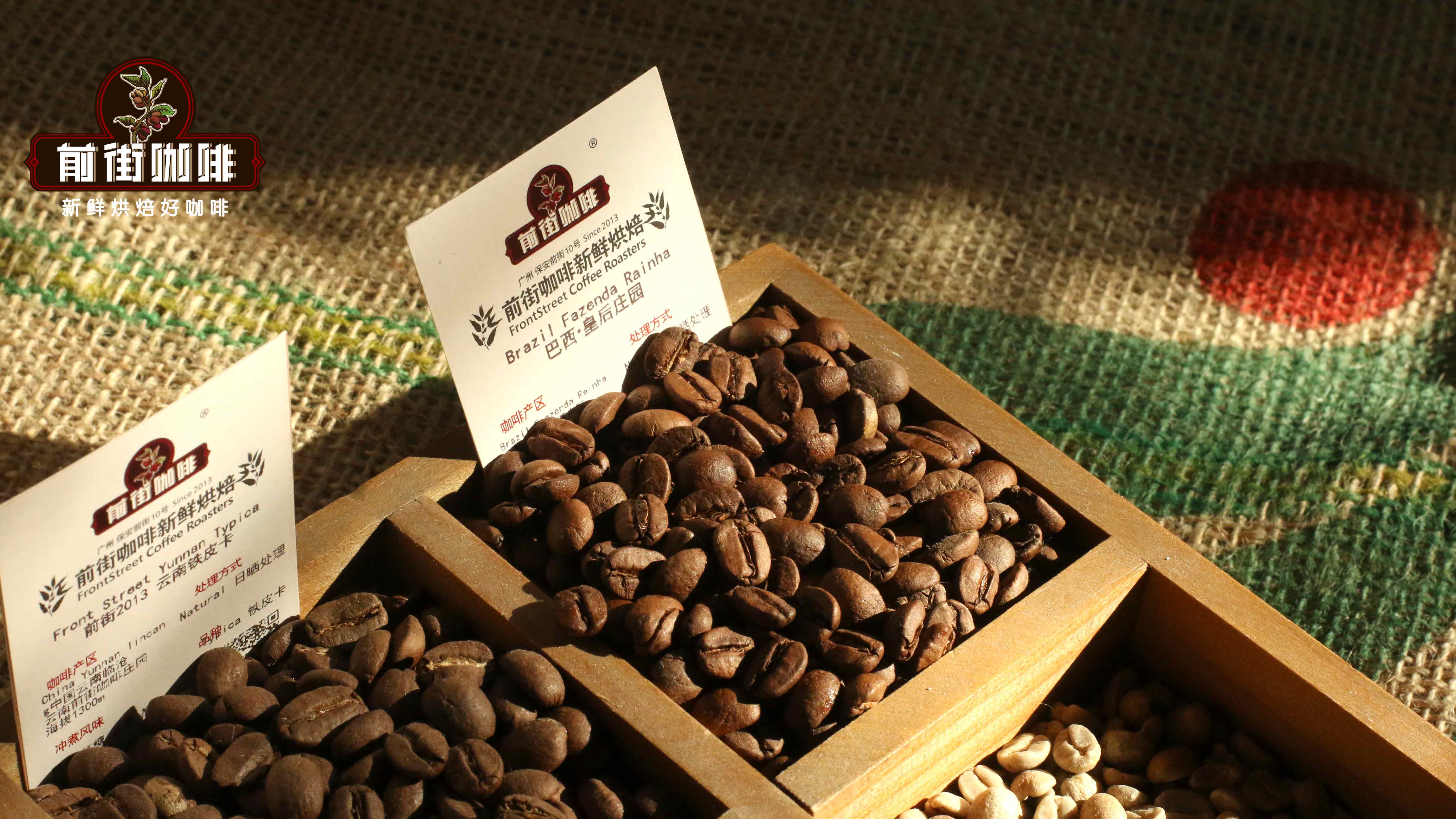
Choosing the right coffee beans is one of the key factors affecting the performance of a moka pot. Generally speaking, dark-roasted beans contain more carbon dioxide, which can produce richer crema and a bold flavor, making them better suited for the high-pressure extraction of a moka pot. If you prefer a full-bodied coffee with nutty or chocolatey notes, it's recommended to choose medium-dark to dark roasted beans. Lighter roasts can also be used, but they often have more pronounced acidity, which may not pair well with the intense characteristics of moka pot coffee.
If you want to try flavors with nutty and caramel sweetness, consider using naturally processed Yellow Bourbon beans. These beans usually have high sweetness and a rich mucilage layer, which helps enhance the overall roundness of the cup. If you prefer a stable and balanced profile, a blend of Brazilian and Colombian beans is an ideal choice, offering clean notes of nuts and chocolate. For those who enjoy a slight fruit acidity and floral-fruity aromas, blends based on honey-processed beans or beans from unique origins can add layers and complexity.
The moka pot mainly consists of three parts: the lower chamber holds water, the middle funnel holds the ground coffee, and the upper chamber collects the brewed coffee. When the lower chamber is heated, steam pressure pushes the water upward through the coffee grounds, eventually producing espresso in the upper chamber. Among these, the grind size of the coffee is a crucial factor affecting extraction efficiency. It is recommended to aim for a particle size of about 0.3 to 0.55 millimeters—similar to the texture of fine sugar. Too coarse a grind will cause the water to flow too quickly, leading to under-extraction; too fine a grind can clog the filter, preventing water from passing through smoothly, and may even result in a gurgling sound without any coffee coming out. In such cases, turn off the heat immediately to avoid danger.
Regarding the use of filter paper, although it’s not mandatory like in pour over brewing, adding filter paper can effectively trap fine coffee particles, reducing the chance of a gritty mouthfeel at the bottom of your cup and resulting in a smoother coffee drinking experience. You can choose specially designed round filter papers for moka pots, or trim regular pour over filter papers to fit. To further soften acidity and enhance body, you might also try using double-layered filter paper—it’s effective and easy to use.
For heating, a moka pot can be used on an electric stove, induction cooker, or open flame, but special care should be taken with the open flame. It’s recommended to use low to medium heat and constantly monitor the stability of the pot to avoid risks from overheating or tilting. Additionally, when adding water, never fill above the safety valve level in the lower chamber to prevent excessive pressure and safety hazards.
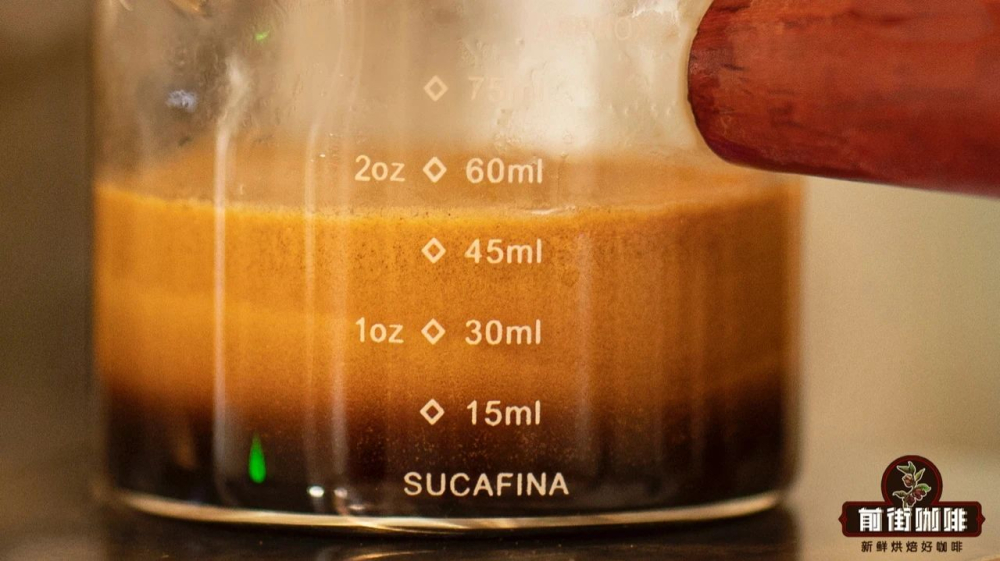
Here are the recommended steps for brewing espresso with a moka pot: First, pour purified water into the lower chamber, keeping the water level about 0.5 cm below the safety valve; next, grind the coffee beans to the appropriate fineness, fill them into the funnel, and gently tamp them down to form a flat, small mound shape, which helps with even extraction; then, insert the funnel into the lower chamber and securely screw the upper and lower chambers together; afterward, choose an electric stove and heat over high heat—once you hear a clear "gurgling" sound, switch to low heat and open the upper chamber lid to observe; when about half of the coffee has flowed out, turn off the heat and let residual heat finish the extraction; finally, pour the fully extracted coffee from the upper chamber into a cup, and enjoy a rich moka pot espresso—you can also add water or milk according to your preference to adjust the flavor.
The above content is compiled by CoffeeHunters, a coffee news website.


