







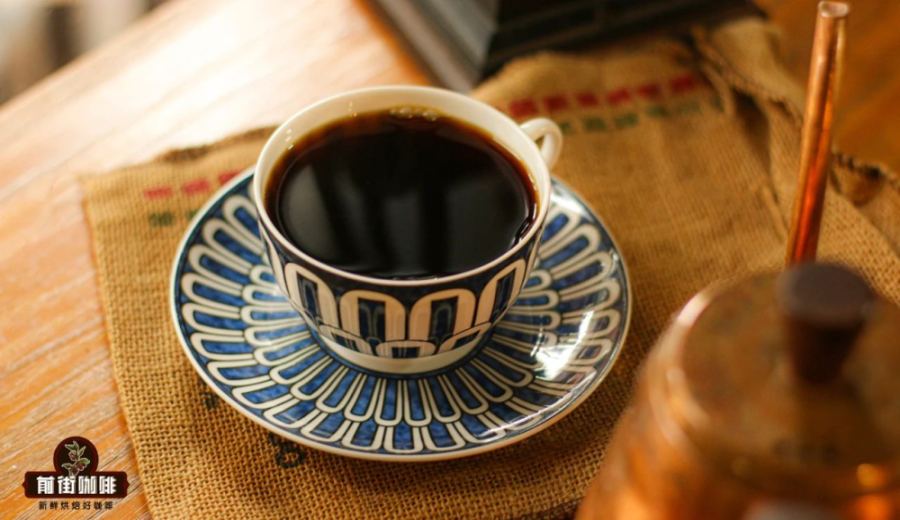
Introduction:Civet coffee (also known as kopi luwak), with its unique production process and rarity, holds a distinctive position in the specialty coffee world. But what is its true value and flavor profile? This article delves into how the civet’s digestive process affects the coffee beans, unravels the science behind in-body fermentation, and details the reasons behind its market pricing and actual taste. It also provides professional pour over parameters and flavor descriptions to help coffee enthusiasts determine whether it’s worth trying, while recommending a variety of alternative beans for those with different flavor preferences.
The so-called "civet coffee" is not, as the name might suggest, made directly from cat excrement. Instead, it comes from coffee beans that have undergone a special fermentation process inside the digestive tract of civets after they consume coffee cherries. Civets eat whole coffee cherries, not just the beans. As these cherries pass through the civet’s stomach and intestines, the outer fruit pulp and mucilage are broken down by digestive fluids, allowing sugars and acidic compounds to gradually seep into the inner coffee bean, altering some of its flavor characteristics.
Throughout this entire process, the coffee beans are encased within the tough parchment layer (the inner fruit skin) and the silver skin, thus having minimal direct contact with feces. Once the civet excretes these beans, they undergo cleaning, drying, and the removal of the parchment layer before finally becoming what is commercially known as "civet coffee." In fact, when processed properly, its hygiene standards are often much better than most consumers imagine.
Regarding price, the high cost of civet coffee mainly stems from its scarcity and unique production method. Wild civets primarily feed on insects and small animals, with coffee cherries being only an occasional part of their diet. However, as market demand has risen, some producers have begun to keep civets in captivity and restrict their diet to coffee cherries alone. While this practice increases yield, it also alters the civets’ natural digestive rhythms, and the overall costs of breeding and subsequent processing are not low.
So, does the fermentation inside a civet’s body really enhance the flavor of the coffee beans? The answer is often not as miraculous as market rumors suggest. Especially when civets consume coffee cherries as their main diet over a long period, their digestion speeds up—often expelling the beans in just about two hours. This extremely short duration allows almost no meaningful fermentation to occur. Moreover, civets in Indonesia typically feed on low-altitude-grown Robusta beans, which inherently carry earthy and herbal notes, resulting in a thick and heavy mouthfeel. Consequently, the final product often exhibits a peculiar and intense aged flavor.
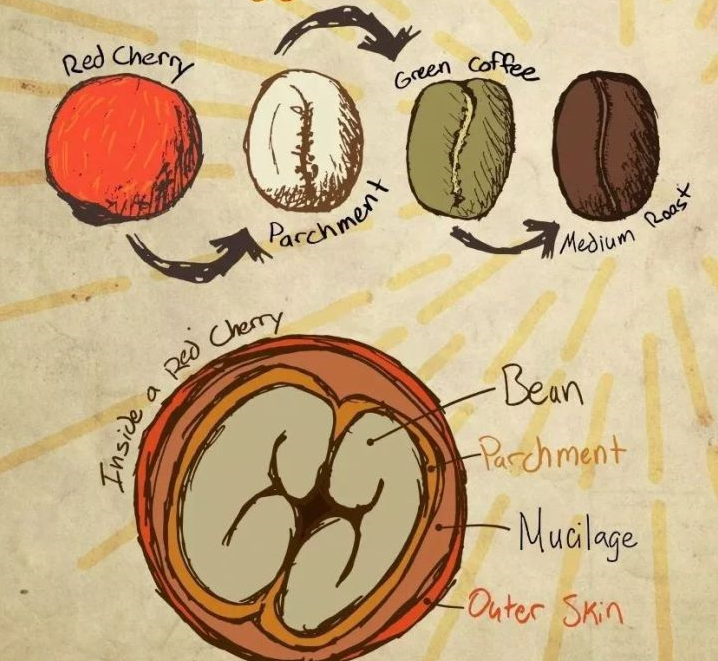
The so-called "in-body fermentation method" refers to the fact that although the coffee beans are not digested in the civet’s digestive tract, they are subjected to strong digestive fluids. Special proteolytic enzymes contained in these fluids break down the long-chain proteins in the beans into short-chain peptides and amino acids. Short-chain peptides typically consist of 3 to 9 amino acid residues and are also known as oligopeptides. The impact of these substances on final flavor is still debated, but it is generally believed that they contribute to the overall body and richness of the coffee’s mouthfeel.
Next, we take a closer look at the actual roasting and pour over parameters for this Indonesian civet coffee. This coffee is grown in the Aceh region of Indonesia at an altitude of approximately 1,200 meters, and the variety is Tim Tim. The processing method used is the unique in-body fermentation process. During roasting, a Yangjia 800N roaster was used, with the initial drum temperature set at 200°C, dropping to 160°C upon bean entry. The air vent was opened to 3, and the heat was set to 130. The turning point occurred around 1 minute and 28 seconds, after which the heat and air vent were gradually adjusted until first crack began (around 9 minutes and 15 seconds), continuing development for 4 minutes and 25 seconds, with the beans finally dropped at 203°C.
As for pour over recommendations, you can use a Kono filter. The water temperature should be controlled at 86°C, with a coffee dose of 15 grams and a brew ratio of 1:15. The grind size is recommended to be medium-fine, roughly equivalent to 70% passing through a Chinese standard No. 20 sieve. A step extraction method, also known as three-stage pouring, is advised: first, perform a 30-second bloom with 30 grams of water, then pour in a small circular motion until reaching 125 grams for the first pour. When the water level is about to expose the coffee bed, pour again to reach 225 grams before stopping. Finally, remove the filter when the water level drops and is about to expose the coffee bed again. The total extraction time is approximately 2 minutes and 1 second. This brewing method fully highlights its rich and smooth mouthfeel.
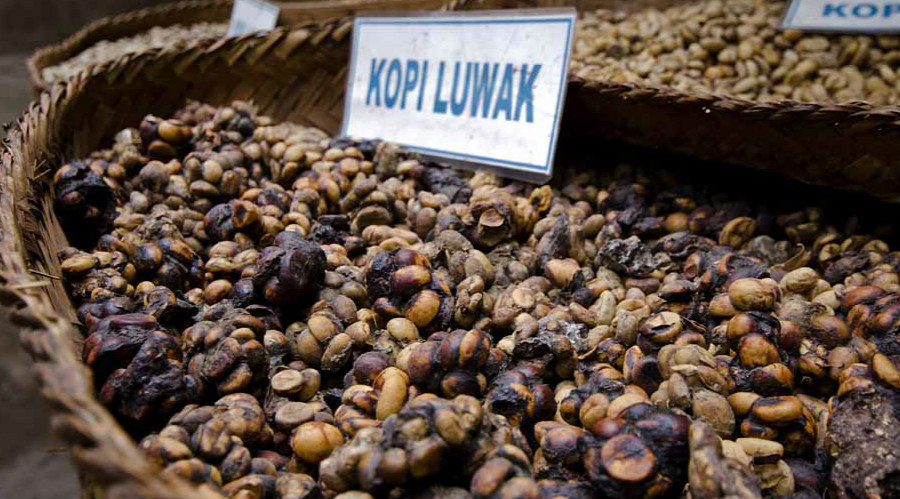
In terms of flavor profile, this civet coffee often exhibits pronounced herbal, nutty, and dark chocolate notes, accompanied by a unique fermented aroma. It has a high body, a thick and silky texture, and is particularly well-suited for coffee lovers who enjoy bold flavors. However, considering its expensive price and rarity, if you’re not specifically seeking a unique experience, there are many other single-origin beans and processing methods in the specialty coffee world that offer a wide variety of flavors.
For example, readers who prefer floral and delicate flavors may consider trying Panamanian Geisha coffee, renowned for its complex floral and fruity notes, and considered a top choice by many coffee enthusiasts. Those who enjoy bright acidity along with black tea and berry profiles might opt for Ethiopia’s Huika coffee beans. If you prefer balanced nutty and caramel flavors, Brazilian coffee beans are a solid choice. And for those who still appreciate the bold and rich mouthfeel of Indonesian coffee, it is recommended to choose Golden Mandheling, which undergoes multiple hand sorting with extremely low defect rates, offering clear aromas and elegant aftertastes.

The above content is compiled by CoffeeHunters, a coffee news website.


