







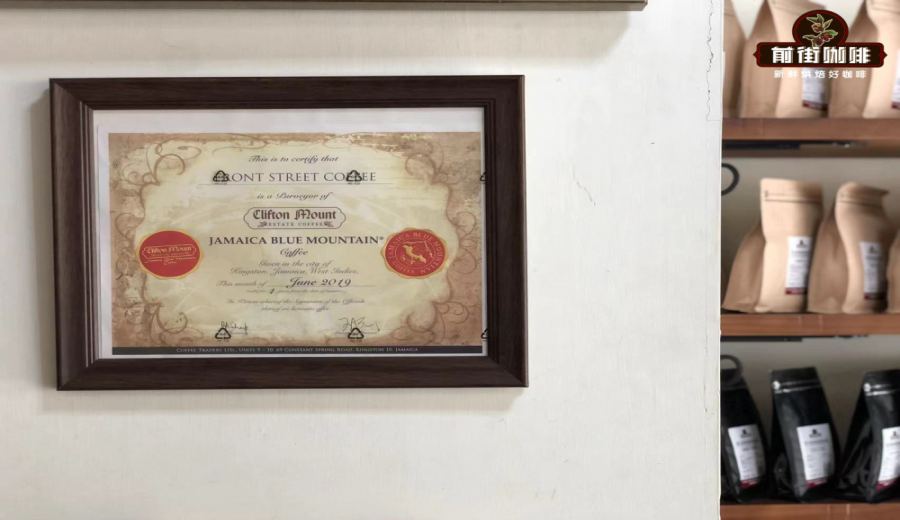
Introduction:Jamaican Blue Mountain coffee is hailed as the pinnacle of specialty coffee, and its unique flavor profile is underpinned by a rigorous grading system and exceptional geographical conditions. This article delves into the logic behind the classification of Blue Mountain coffee—from the altitude of its growing regions and varietal characteristics to the NO.1 through PB grades—and explores how the washed processing method impacts its flavor. It also provides expert-level pour over parameters and practical advice to help you fully grasp the essence of this legendary coffee.
When it comes to Jamaica, besides the track and field superstar Usain Bolt, coffee enthusiasts cannot overlook Jamaican Blue Mountain coffee. Revered as the "Rolls-Royce of the coffee world," its prestigious status stems from its strict grading system and distinctive geographical environment. From the microclimate of the Blue Mountains to the altitude standards set by the Jamaica Coffee Industry Board, and down to the refined grading of NO.1, NO.2, NO.3, and PB peaberry beans—each step profoundly influences the final cup.
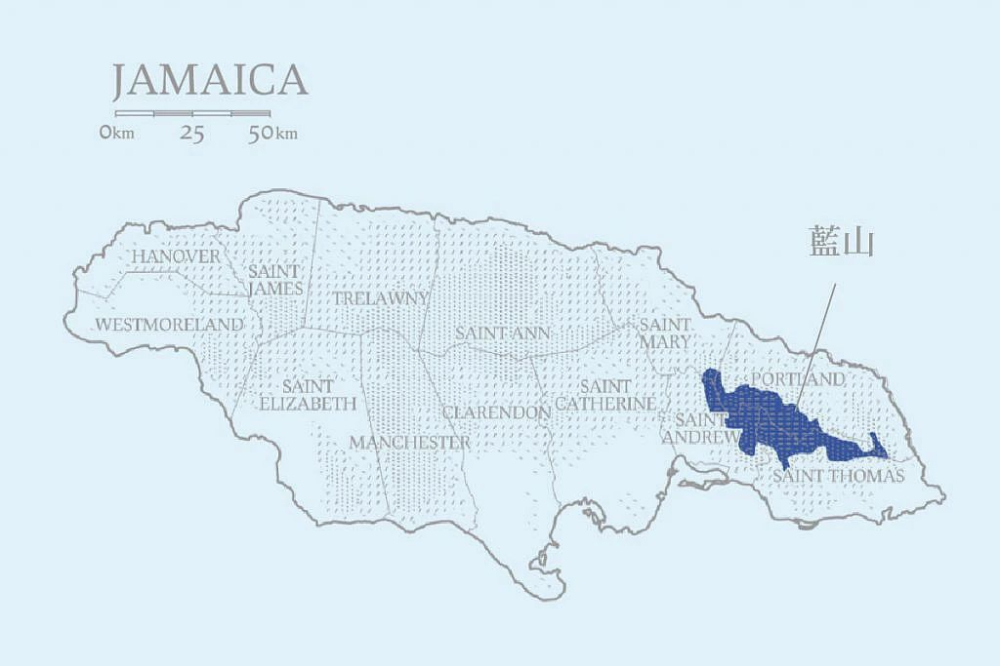
Though a small island nation in the Caribbean, Jamaica boasts diverse terrain. The entire island can be divided into three major regions: the eastern mountains, the central valley plateau, and the coastal plains. Among them, the Blue Mountains have the highest elevation, and their rugged topography gives rise to a unique microclimate. The tropical rainforest climate brings abundant and concentrated rainfall, while volcanic ash soil is rich in mineral nutrients. Coupled with year-round mist cover and cool high-altitude conditions, these elements provide nearly ideal growing conditions for coffee trees. Local farmers often intercrop coffee trees with banana trees, creating a distinctive agricultural landscape.
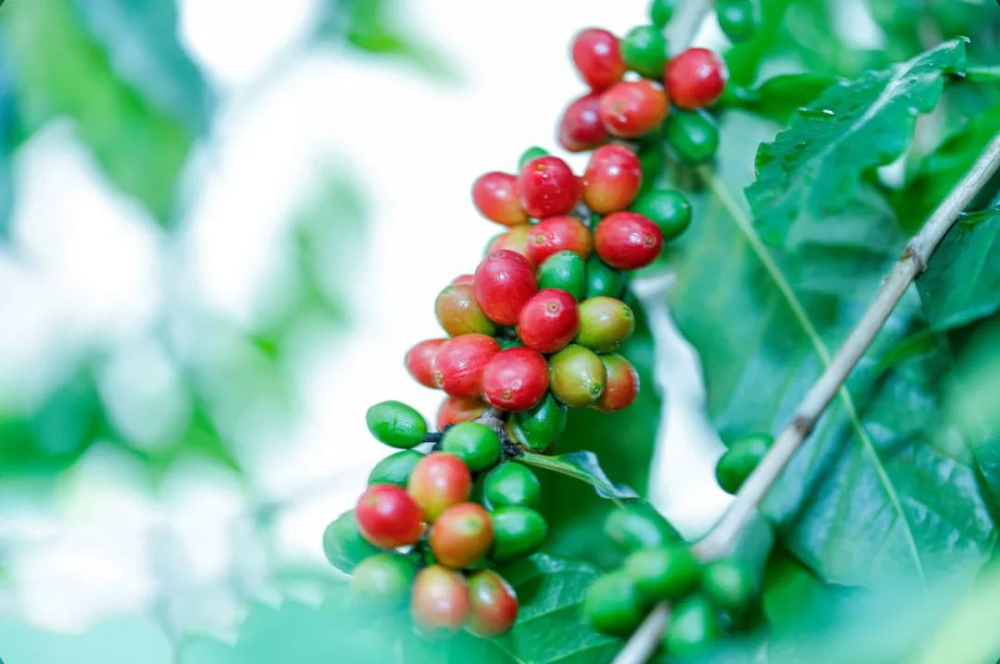
According to regulations by the Jamaica Coffee Industry Board, only Typica variety coffee grown at altitudes between 910 and 1,700 meters can be called "Jamaican Blue Mountain coffee." This altitude range features steep terrain, making harvesting extremely challenging. Each year when the coffee cherries ripen, skilled female workers carefully select only those that have fully turned red. The harvested cherries are immediately sent to processing facilities to ensure freshness.
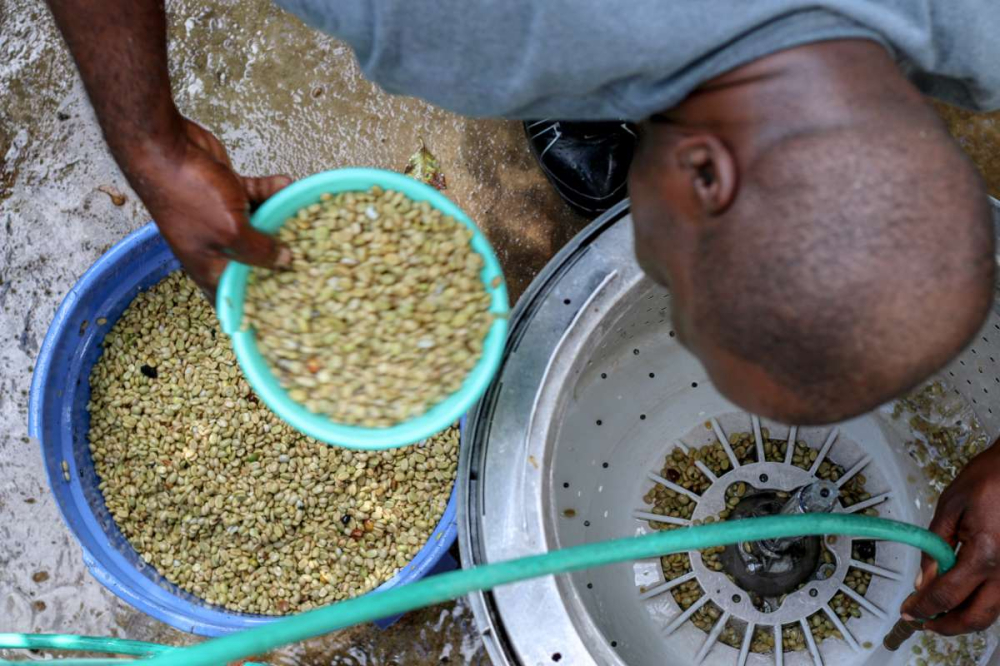
Blue Mountain coffee is primarily processed using the washed method: first, defective beans are removed based on buoyancy, then the pulp and flesh are stripped away and the beans are fermented for 12 to 18 hours. After fermentation, the beans are rubbed and rinsed in water tanks to make their surfaces smooth and clean. At this point, the coffee beans, with a moisture content of about 50%, need to be further sun-dried to 12% to 14%, a process that requires close monitoring to prevent mold.Washed processing not only enhances aroma purity but also stabilizes the consistently high quality of Blue Mountain coffee.
Typica, as an ancient Arabica variety, has gradually declined due to its susceptibility to disease and low yield, but it has adapted to the island environment of the Blue Mountains for over two hundred years. Particularly in resisting coffee berry disease, Blue Mountain Typica demonstrates better resistance than common cultivars.This long-term adaptation and careful cultivation form the important foundation for the refined and clean flavors of Blue Mountain coffee.
The grading of Blue Mountain coffee is based on multiple criteria: production is limited to the four regions of Saint Thomas, Saint Mary, Saint Andrew, and Portland; beans are graded as NO.1 (premium), NO.2, NO.3, and PB (peaberry) according to altitude and quality. Evaluation standards include bean size, color uniformity, roasting performance, aroma intensity, and cupping results.The professionally selected NO.1 grade represents the highest quality standard for Blue Mountain coffee.
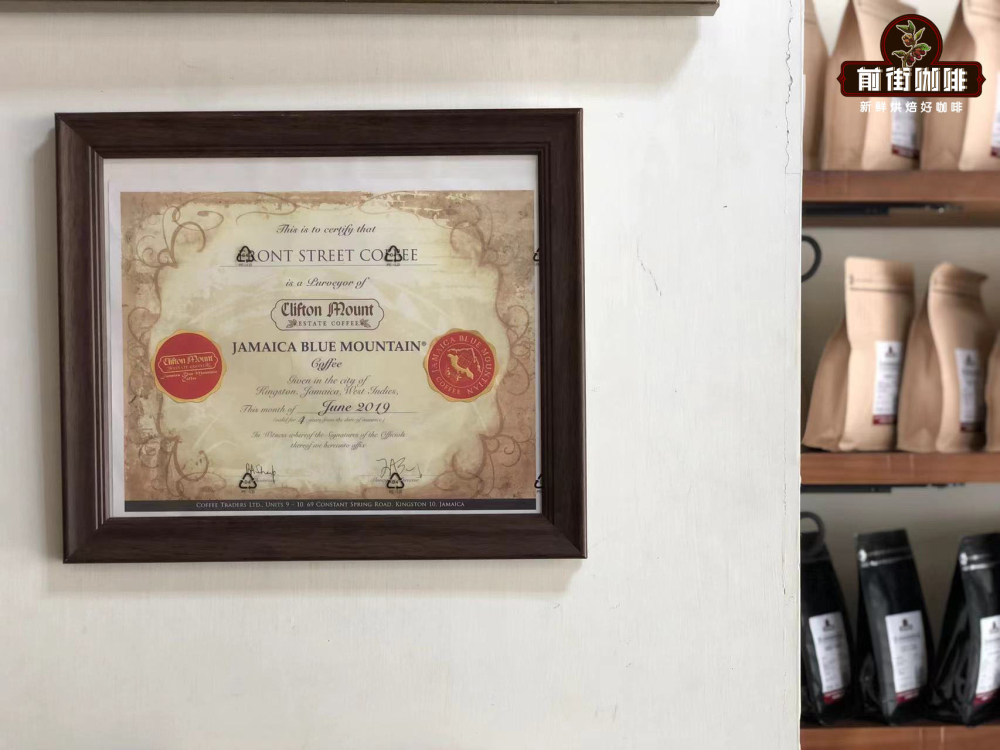
Regarding pricing, a common misconception is that Japanese interests have monopolized Blue Mountain coffee. In fact, during the 1970s, Jamaica did sign a 30-year contract with Japan’s UCC due to hurricane damage, agreeing to supply 90% of its premium Blue Mountain beans to Japan. After the contract expired, Japan’s purchasing proportion has dropped to below 60%. Currently, many "Blue Mountain beans" on the market priced at just a few dozen yuan are mostly imitations.Authentic Blue Mountain No.1 coffee is reasonably priced at around 150 yuan per 100 grams.
Brewing Blue Mountain coffee requires mastering key parameters: choose beans roasted within five days to achieve optimal aroma and avoid prolonged storage that can lead to woody notes. Practical experience shows that medium-to-dark roasting can balance the roasted aroma of Blue Mountain coffee while preserving moderate acidity. It is recommended to use a KONO filter, grind to 75% passing through a #20 sieve, control water temperature at 88°C, and use a 1:15 coffee-to-water ratio with 15 grams of coffee grounds.
Specific three-stage pouring process: First, pour 30 grams of water for a 30-second bloom; second, pour 95 grams of water in even circles from the inside out; once the water level drops to two-thirds of the filter, pour the third 100 grams of water. Maintain a small stream throughout, completing the drip in about 2 minutes. This method effectively extracts the signature chocolate and nutty aromas of Blue Mountain coffee along with its rich body, leaving a clear and lasting aftertaste.
In summary, the rarity of Jamaican Blue Mountain coffee lies in its irreplaceable natural conditions, stringent quality control standards, and traditional processing methods. From the growing altitude to the final brewing technique, every detail determines the unique value of this cup of coffee. Understanding these core elements will help you more deeply appreciate and enjoy the flavor charm of this world-class coffee.
The above content is compiled by CoffeeHunters, a coffee news website.


