







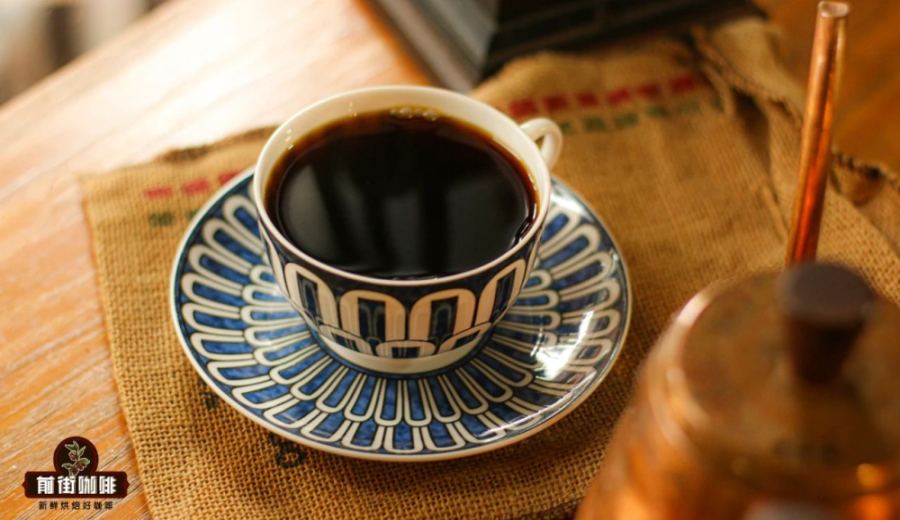
Introduction:Jamaican Blue Mountain coffee is hailed as the "King of Coffee," and its price has long remained high. But behind this premium are multiple factors: the unique terroir, rigorous grading standards, and a deep historical connection with the Japanese market. This article will delve into the production characteristics and grading system of Blue Mountain No. 1, while exploring how Japan’s quota policy affects the global circulation and pricing of Blue Mountain coffee. It will also help readers distinguish genuine Blue Mountain beans from the blended "Blue Mountain-flavored" products on the market.
When it comes to Blue Mountain coffee, many people immediately think of its reputation as the “King of Coffee.” However, its high price isn’t solely due to legend. From the Caribbean’s unique island microclimate and fertile volcanic ash soil, to the legally defined growing regions and strict classification system established by the Jamaica Coffee Industry Board (CIB), as well as a thirty-year quota agreement signed with the Japanese market last century—these factors together contribute to the high price and rarity of Blue Mountain coffee. We’ll analyze from multiple angles why Blue Mountain No. 1 stands as the top representative in the coffee world, and how to tell real Blue Mountain apart from the so-called “Blue Mountain flavor” blends available on the market.
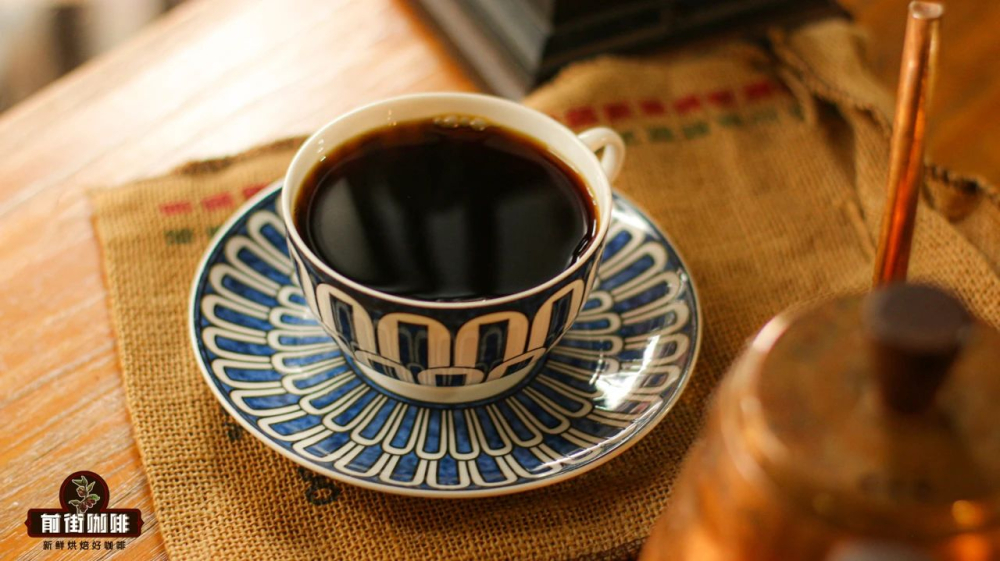
The value of Blue Mountain coffee starts with its exceptional growing environment. The Blue Mountains are surrounded by the Caribbean Sea, creating a special tropical island rainforest microclimate. Rainfall is concentrated during the wet season but drains well, and the fertile volcanic ash soil left by ancient volcanoes allows coffee trees to thrive without excessive irrigation or fertilization. The area enjoys ample sunshine, with morning mist common daily, and cooler temperatures at higher altitudes—ideal conditions for coffee cultivation. Interestingly, many farmers intercrop coffee trees with banana trees, which provide shade and moisture, helping the coffee cherries ripen slowly and accumulate richer flavors.
According to regulations by the Jamaica Coffee Industry Board (CIB), only coffee of the Typica variety grown within approximately 6,000 hectares of the designated Blue Mountain region can be called “Blue Mountain coffee.” Coffee produced in other areas can only be classified as High Mountain coffee. The main growing altitudes for Blue Mountain coffee range between 910 and 1,700 meters, spread across the parishes of St. Thomas, St. Mary, St. Andrew, and Portland—areas that together make up about one-third of the entire Blue Mountain growing zone. Notably, the higher the altitude, the better the potential flavor profile of the Typica variety, though these areas also face challenges such as lower disease resistance, lower yields, rugged terrain, and difficult harvesting, all of which contribute to the limited production of Blue Mountain coffee. In fact, less than 15% of Jamaica’s annual coffee output meets Blue Mountain standards, with total production around 900 metric tons. After harvest, the coffee cherries are quickly sent to processing facilities where the washed method is used to remove the pulp and skin, ensuring the purity and quality of the green beans.
The unique status of Blue Mountain coffee in the Japanese market dates back to the 1960s. In 1969, Jamaica was hit by a severe hurricane, which damaged multiple industries, including coffee. At that time, Japan’s UCC company proactively provided financial and technical support, introducing scientific ecological farming management practices. In gratitude, the Jamaican government signed a 30-year agreement with Japan, promising to allocate 90% of its annual Blue Mountain coffee production quota to the Japanese market, leaving just 10% for other regions like Europe and the United States. While this secured a stable supply for Japan, it also rendered Blue Mountain coffee extremely rare elsewhere for a period. Furthermore, Japan couldn’t fully absorb this quota, so some Blue Mountain coffee was re-exported at high prices to other Asian regions, such as Singapore, South Korea, Hong Kong, and Taiwan. Coupled with aggressive marketing by Japanese distributors, Blue Mountain gradually became the stuff of dreams for coffee enthusiasts. This “Blue Mountain craze” spread to mainland China around the year 2000, briefly turning Blue Mountain coffee into an unattainable luxury.
The 2008 global financial crisis prompted Jamaica to expand the international market for Blue Mountain coffee. Coinciding with the expiration of the quota agreement with Japan, more quotas were gradually released to other countries. With the rapid growth of China’s coffee market, consumers can now access authentic Blue Mountain coffee through more channels, and prices are no longer as out of reach as before. This is one of the reasons why it’s now possible to enjoy a true cup of Blue Mountain at a more reasonable price domestically.
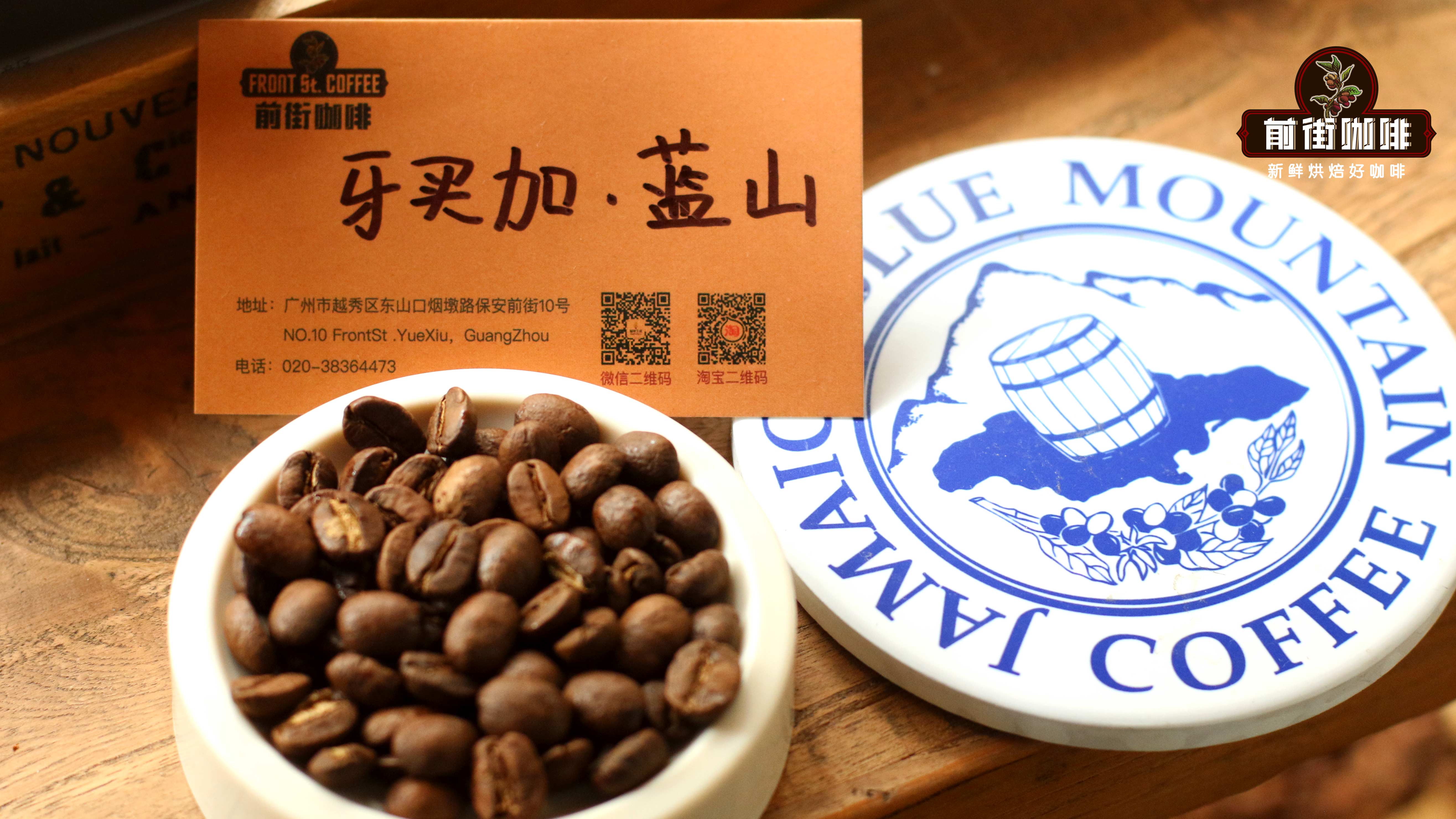
Speaking of the grading of Blue Mountain coffee, we must mention the scientific evaluation system used by the CIB. This institution grades Blue Mountain coffee based on the size and color uniformity of the green beans, defect rate, moisture content, and cupping results. The coffee is divided into several grades, including: Blue Mountain No. 1, Blue Mountain No. 2, Blue Mountain No. 3, and Blue Mountain Peaberry. The top-tier Blue Mountain No. 1 requires green beans to pass through a 17-mesh sieve (indicating larger bean size), have a defect rate below 3%, a moisture content of around 13%, and demonstrate rich aroma, delicate sweetness, mild acidity, and a long aftertaste in cupping. These strict standards ensure that every batch of Blue Mountain No. 1 maintains consistently high quality.
To prevent moisture from affecting the quality of green beans during transport, Jamaica still insists on using traditional handmade wooden barrels for storing and shipping Blue Mountain green beans. These barrels are not only a cultural symbol of Blue Mountain coffee, but also help maintain the beans’ stable condition. It’s worth mentioning that the washed processing method used for Blue Mountain coffee also plays a key role in the final flavor’s cleanliness and complexity.
In summary, the high price of Blue Mountain coffee isn’t fabricated out of thin air—it is shaped by geographic conditions, limited production, historical background, and a rigorous grading system. Understanding this background helps consumers more accurately identify authenticity among the various “Blue Mountain” products on the market, and ultimately savor the top-tier coffee flavors that truly come from the Blue Mountain range.
The above content is compiled by CoffeeHunters, a coffee news website.


