







Introduction:Want to easily make rich, velvety espresso at home? This guide will walk you through the full operation of an espresso machine and key extraction parameters. Every step—from grinding, dosing, tamping to extraction—is broken down in detail, and we’ll also teach you how to judge whether your extraction is ideal by observing flow rate and color. Whether you’re a beginner or a coffee enthusiast looking to refine your extraction, you’ll find practical adjustment tips in this comprehensive guide.
Is it possible to brew café-quality, rich and aromatic espresso at home? With the right extraction method and key parameters, it’s actually not difficult. This article will explain the principles behind espresso in an easy-to-understand way and guide you—from basic equipment operation, grinding and tamping techniques, to evaluating the final extraction—to master the core skills for consistent results. We’ll also include simple ways to make Americano and latte, so you can fully experience the charm of espresso.
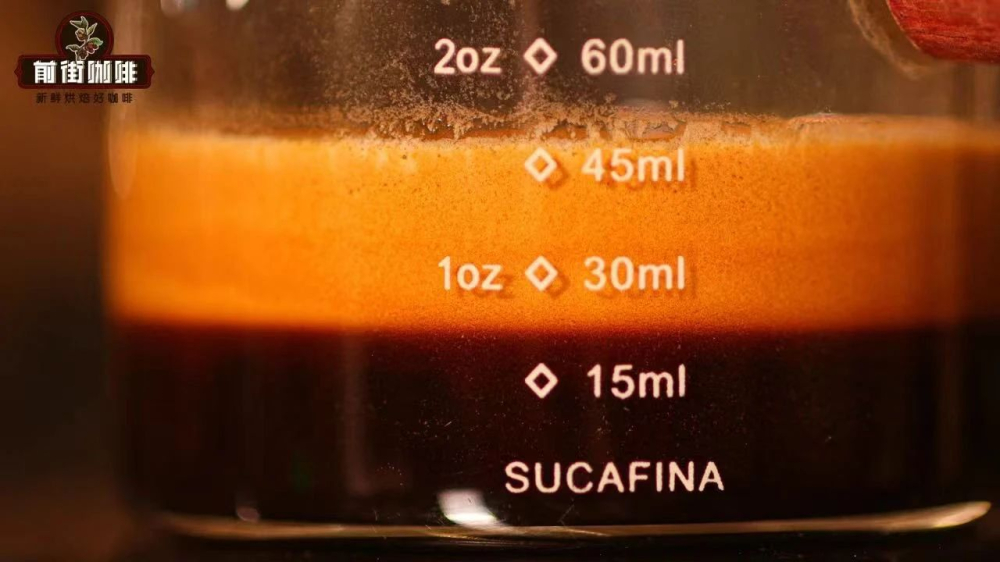
Espresso is made by forcing high-pressure hot water through finely ground coffee, extracting a thick, honey-like coffee liquid. This process relies on a professional espresso machine that uses steam pressure generated by heating to extract under approximately 94°C water temperature and 9–10 bar pressure, completing the shot in 25 to 30 seconds. This extraction method gives espresso its unique intense flavor and thick crema.
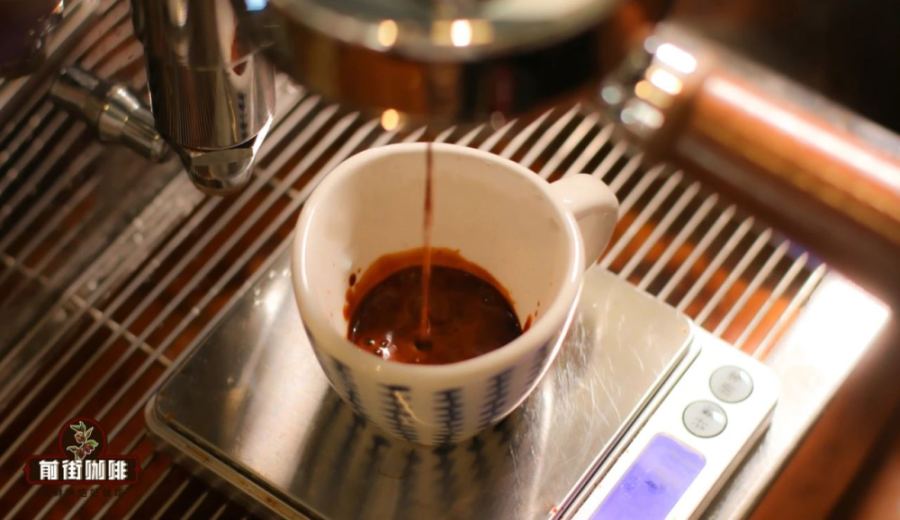
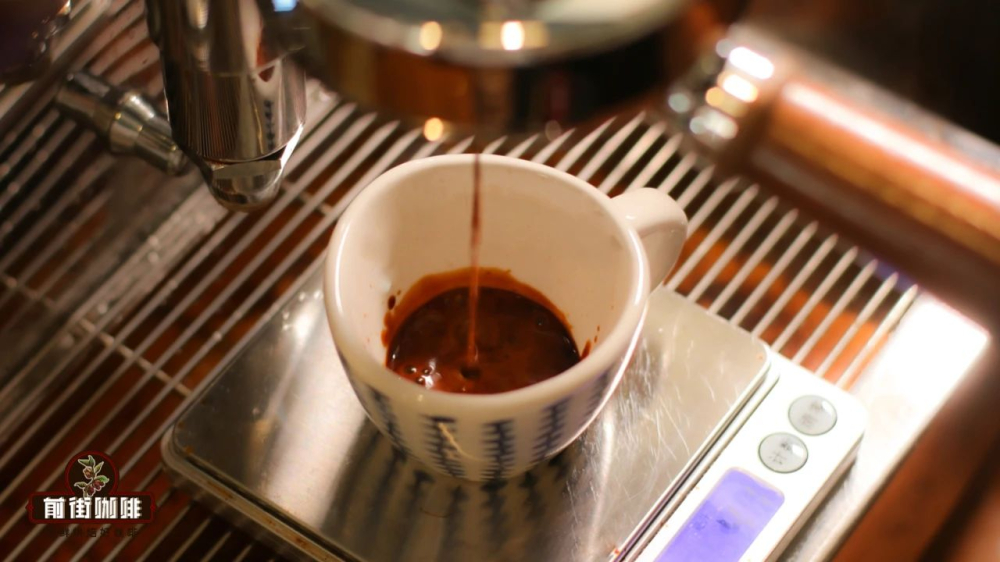
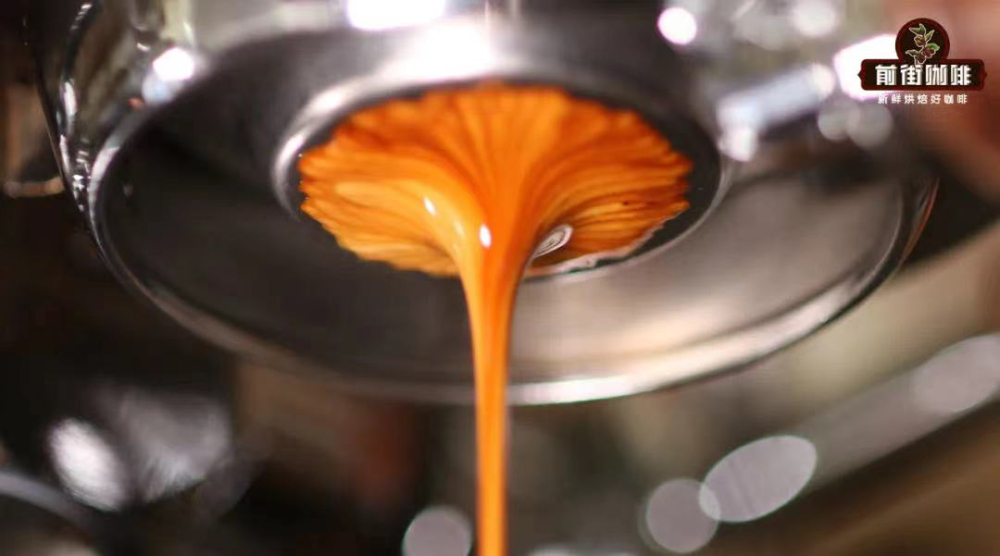
However, many people encounter issues such as weak flavor, bitterness, or uneven extraction when trying to make it at home. These problems are often related to grind size, dose, tamping pressure, and extraction time settings. To judge whether an espresso is properly extracted, observe the changes in flow rate and color: at the start, the coffee should be dark reddish-brown, flowing smoothly with a thick consistency; as extraction continues, the color gradually turns golden, possibly ending up light gold. If the flow is too fast, the coffee may taste watery and lack complexity; if too slow, it can easily become burnt and bitter.
Generally, the recommended starting parameters are: for a double basket, use 20 grams of coffee, aiming for a 1:2 brew ratio (extracting 40 grams of coffee), at around 94°C water temperature and 9–10 bar pressure, with an extraction time of 25 to 30 seconds. For a single basket, adjust to 10 grams of coffee to yield 20 grams of espresso, maintaining the same ratio and conditions. If you find the extraction is too fast, resulting in a thin body, try a finer grind or slightly increase the dose; conversely, if it’s too slow and tastes burnt, try a coarser grind or reduce the dose to find the best balance for your beans and machine.
As for coffee bean selection, for those new to espresso, it’s advisable to start with blends specifically designed for espresso. Blends are typically composed of beans from different regions in carefully balanced proportions, offering not only stable flavor profiles but also reducing the potential flaws that single-origin beans might show under high-pressure extraction. If you prefer an espresso with rich layers and unique aromas, you might choose a blend combining Ethiopian natural beans with Honduran SHG or Sherry beans—these often feature distinct fermentation notes, fruity acidity and creamy smoothness, along with caramel and hazelnut undertones.
If you value a heavier body and pronounced crema, go for blends based on Brazilian and Sumatran Arabica beans, with a small amount of Robusta. Such recipes bring out intense roasted nut aromas, the deep body of dark cocoa, and sweet caramel notes, while also helping to form a beautiful golden crema. This type is ideal for latte or cappuccino lovers and works well for latte art with good milk foam integration.
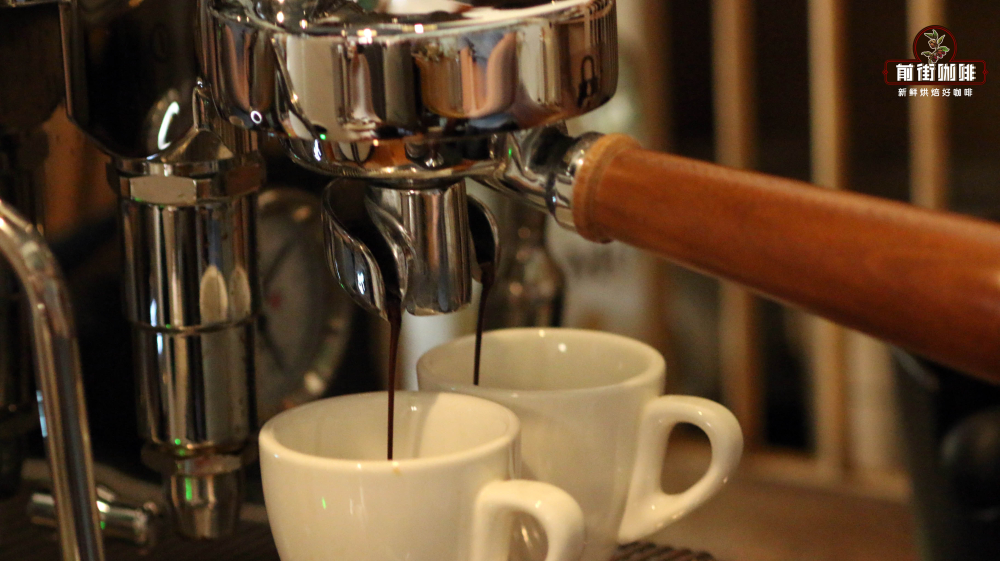
Here’s how to actually pull an espresso: first, start the machine and let it preheat. Once the machine shows a temperature of around 94°C, you can begin extraction. Before extraction, ensure the portafilter basket is completely dry to avoid residual moisture affecting puck stability. Then grind about 20 grams of coffee (for a double basket), measured precisely with a scale. Pour the ground coffee into the basket, then use a distribution tool to level it evenly, followed by tamping with a tamper using vertical pressure to ensure a compact and level puck—this is one of the keys to stable extraction.
After tamping, open the extraction switch briefly for 1–2 seconds to pre-wet the group head and flush out any old coffee grounds. Then place a scale under the cup to be used for collecting the espresso and tare it to zero, preparing for the actual extraction. Mount the portafilter firmly onto the group head, start the extraction, and closely monitor the flow rate and color of the coffee. When the scale shows 40 grams (for a double) and the time is between 25 to 30 seconds, turn off the extraction switch to complete a standard espresso shot.
To make an Americano, simply prepare a 200–250 ml cup, pour in 160–200 g of hot water, and then add the freshly extracted espresso. For a hot latte, it’s recommended to use a 300 ml cup: first add the espresso, then steam 220 ml of fresh milk to 55–60°C to achieve a smooth, fine microfoam. Finally, combine the milk and espresso evenly, and you can even try your hand at latte art to enjoy a perfect coffee moment at home.
Keep in mind that due to factors like humidity, roast level, and bean freshness, the optimal extraction parameters may vary slightly each time. Therefore, it’s recommended to flexibly adjust grind size, dose, and extraction time according to actual results, gradually finding the perfect combination that suits both your taste and equipment.
The above content is compiled by CoffeeHunters, a coffee news website.


