







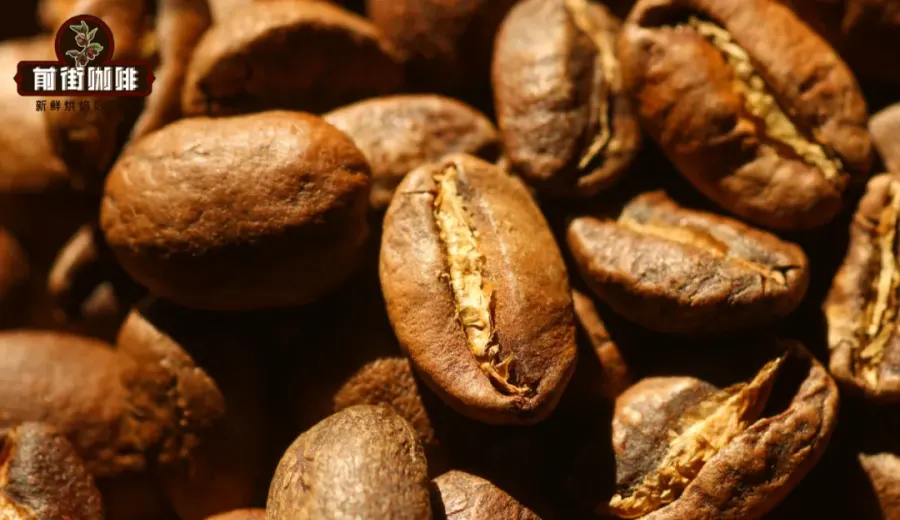
Introduction:Have you ever heard that coffee beans are divided into male and female beans? In fact, this is a market misconception. This article will clarify the true differences between peaberries (Peaberry) and flat beans — from their formation, grading systems, to market value. We’ll explore why some regions specifically select peaberries and examine the real differences in flavor profiles between the two. By the end, you’ll better understand how to rationally view the relationship between coffee bean shape and quality.
When discussing coffee beans, many people ask: “Are there male and female coffee beans?” The answer is actually no. The so-called "male beans" and "female beans" are just folk terms for two distinctly shaped coffee beans — namely peaberries (Peaberry) and the more common flat beans. Many online articles or merchants, for marketing purposes, claim that male beans are rarer and have better flavor, even fabricating claims that they only make up 5% of total production. However, these are all misconceptions.
In reality, each coffee cherry typically contains two flat beans that lie against each other and develop jointly, resulting in their flat appearance. However, under certain special circumstances, a coffee fruit may develop only one bean. This single bean, having access to more nutrients and growing space, often grows into a round, oval shape — this is what we call a peaberry. Since it lacks a flat side, its appearance is distinctly different, and thus it is classified separately.
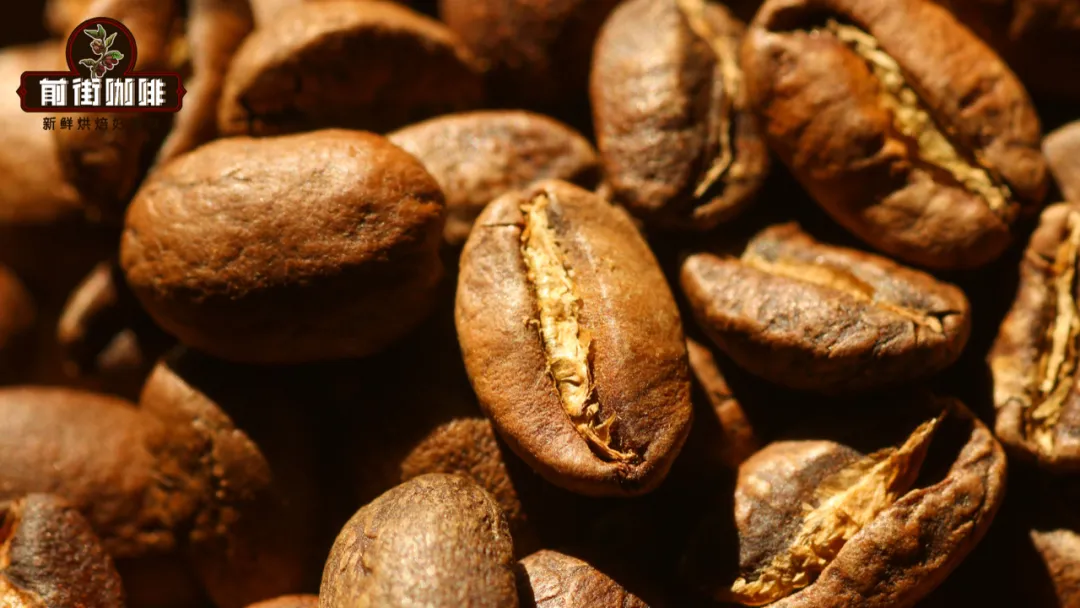
So why do some coffee fruits contain only one bean? This is mainly related to genetic and environmental factors. When one of the two ovules inside a coffee fruit fails to be successfully pollinated, the other ovule can absorb more nutrients and eventually develop into a single, round bean. Although such occurrences are relatively uncommon, they are not extremely rare, and it’s generally believed that their occurrence rate is around 5% — close to the figure commonly cited, though not absolutely precise.
It’s worth noting that peaberries and flat beans are not variations from the same fruit, but may appear on the same coffee tree, or even within the same harvest batch. Therefore, referring to them as "male" and "female" beans is not only unscientific, but also likely to mislead consumers about their true nature. In fact, they are simply products of the same kind that differ in appearance and development process.
In coffee grading and market pricing, peaberries are often given special treatment due to their rarity. Take the well-known Kenyan coffee as an example: the country grades beans by size, with those typically reaching 16–17 mesh classified as AA grade — the highest priced; 15–16 mesh as AB grade, with slightly lower prices; and 14–15 mesh as C grade, which are relatively cheaper. However, peaberries usually measure only 14–15 mesh, and by this standard should fall into the C grade. But due to their unique shape and scarcity, they are often sold at prices close to the AA grade.
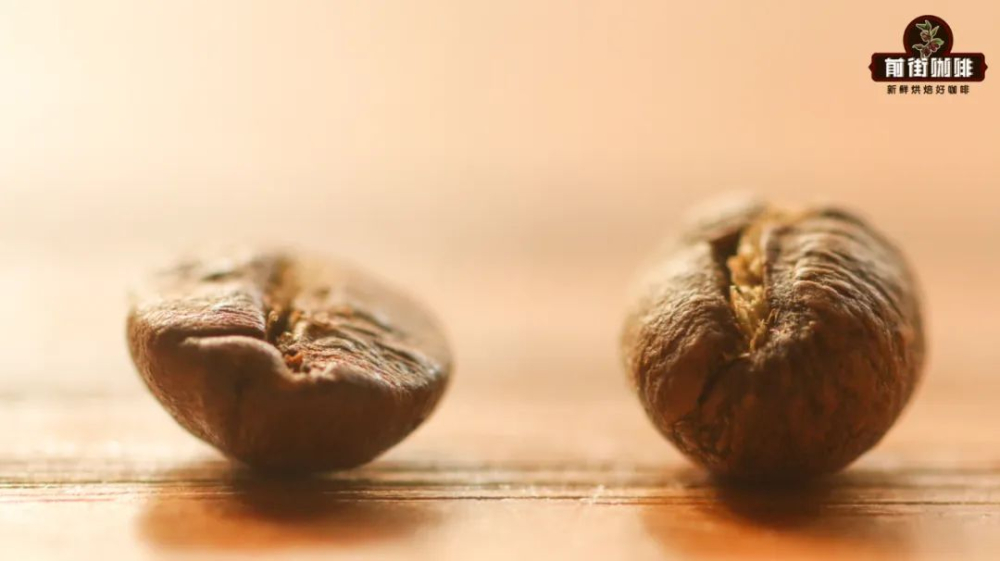
This phenomenon leads many consumers to mistakenly believe that peaberries are not only rare but also necessarily superior in flavor. However, in reality, when comparing flat beans and peaberries from the same region, variety, and cultivation conditions, there is no significant difference in flavor performance. The higher price of peaberries is more due to their rarity and market psychology, rather than any absolute quality advantage.
Moreover, not all regions specifically select or promote peaberries. For most coffee-producing countries, peaberries remain an occasional occurrence, involve higher processing costs, and show no clear flavor differentiation, so they are generally not deliberately separated from flat beans. Only in a few regions, such as Kenya and Tanzania, are peaberries systematically selected and sold as specialty products.
For coffee enthusiasts, understanding the differences between peaberries and flat beans helps to more rationally approach various marketing claims in the market. Whether you’re brewing pour over coffee or making espresso, when selecting coffee beans, it’s more important to focus on their origin, processing method, roast level, and flavor profile, rather than simply pursuing so-called "male beans" or peaberries. Only in this way can you truly appreciate the diverse charm of coffee.
The above content is compiled by CoffeeHunters, a coffee news website.


