







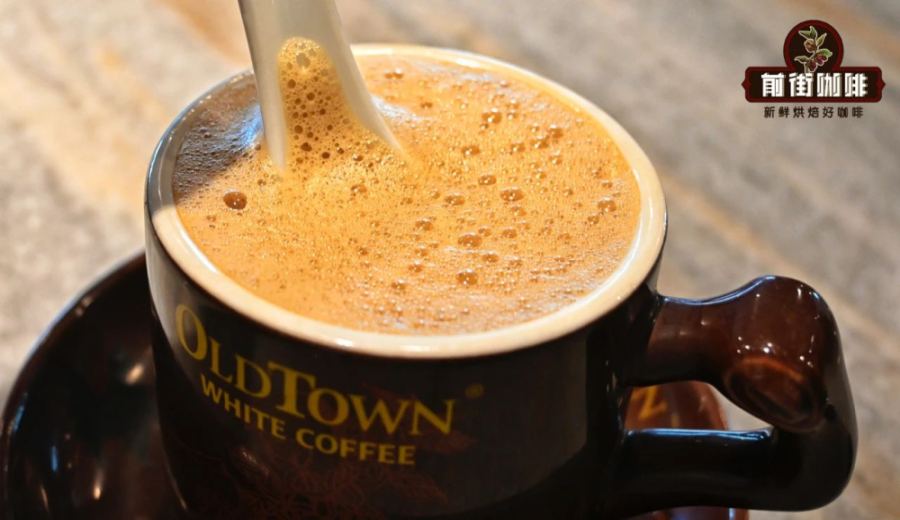
Introduction:Nanyang coffee is more than just a beverage — it is a cultural reflection of the Chinese diaspora in Southeast Asia. This article delves into the unique brewing and blending methods found in Malaysia, Singapore, and beyond. Starting with the innovative roasting techniques pioneered by the Hainanese community, we’ll unpack the secrets behind classic coffee orders like Kopi and Kopi O, and clarify the true definition of “white coffee.” Master these key details, and you’ll be able to recreate an authentic, rich Nanyang cup at home or while traveling.
When it comes to nostalgic Nanyang coffee, many elders can’t help but reminisce fondly. This style of coffee, popular in Malaysia, Singapore, Indonesia, and Thailand, is vastly different from today’s specialty coffee trends. It carries the historical memories of Chinese immigrants and embodies a unique brewing wisdom.
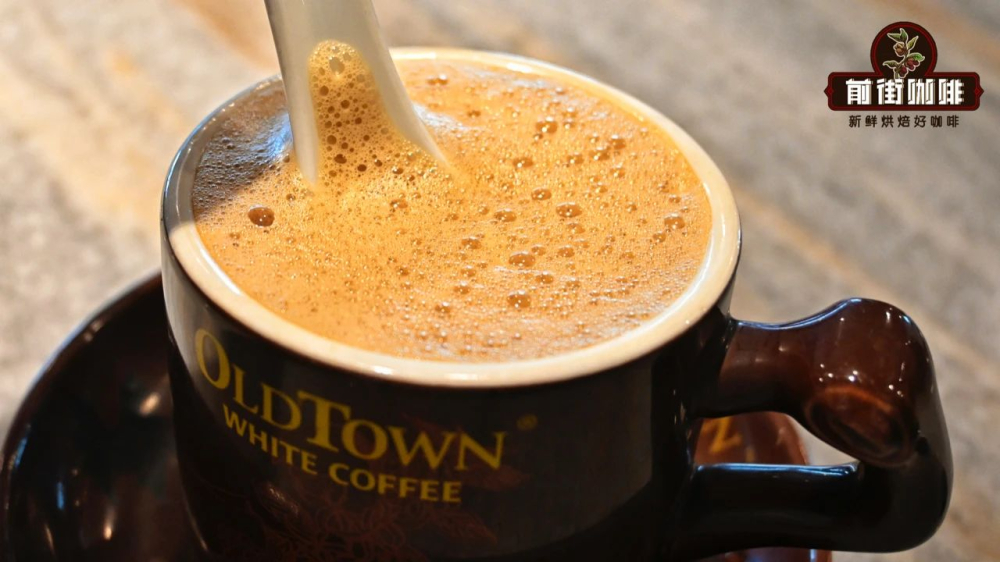
The charm of Nanyang coffee lies not only in its bold and slightly bitter flavor, but also in the adaptability and creativity of Chinese food culture displayed at every step — from bean selection and roasting to brewing. Particularly in the early days, lower-grade Robusta beans were commonly used. Thanks to the ingenuity of Hainanese immigrants — including frying the beans with butter, sugar, and salt — the originally harsh flavors were transformed, resulting in a distinctive aroma and mouthfeel.
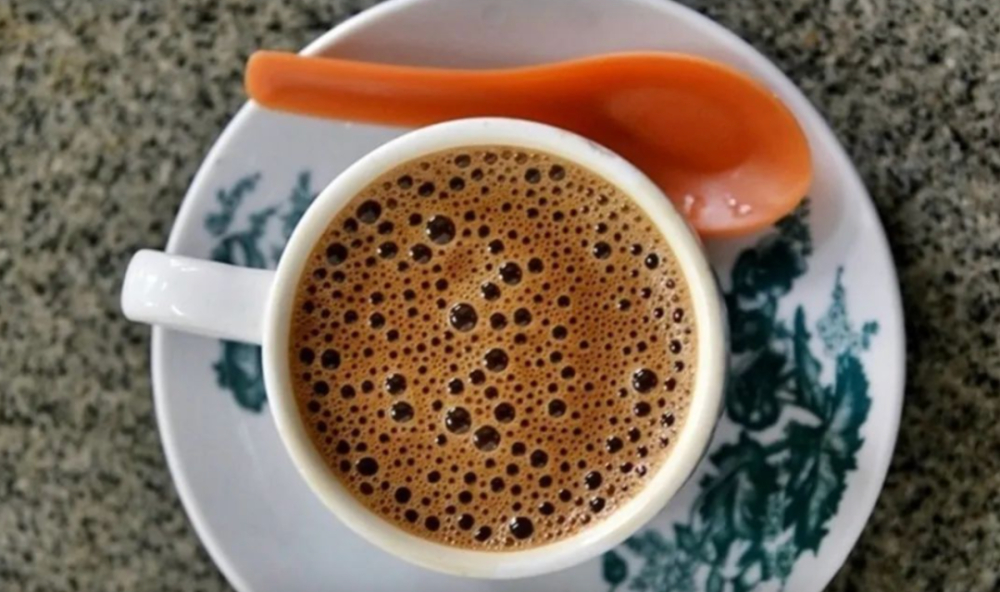
This type of coffee comes with a complete and nuanced set of ordering terms. For example, Kopi refers to black coffee with sugar and condensed milk; Kopi O is black coffee with sugar but no condensed milk; Kopi C uses evaporated milk instead of condensed milk. There are also variations like Kopi Gau (stronger), Kopi Poh (weaker), and Kopi Peng (iced), each reflecting the drinker’s preferences and forming a uniquely Nanyang coffee-ordering culture.
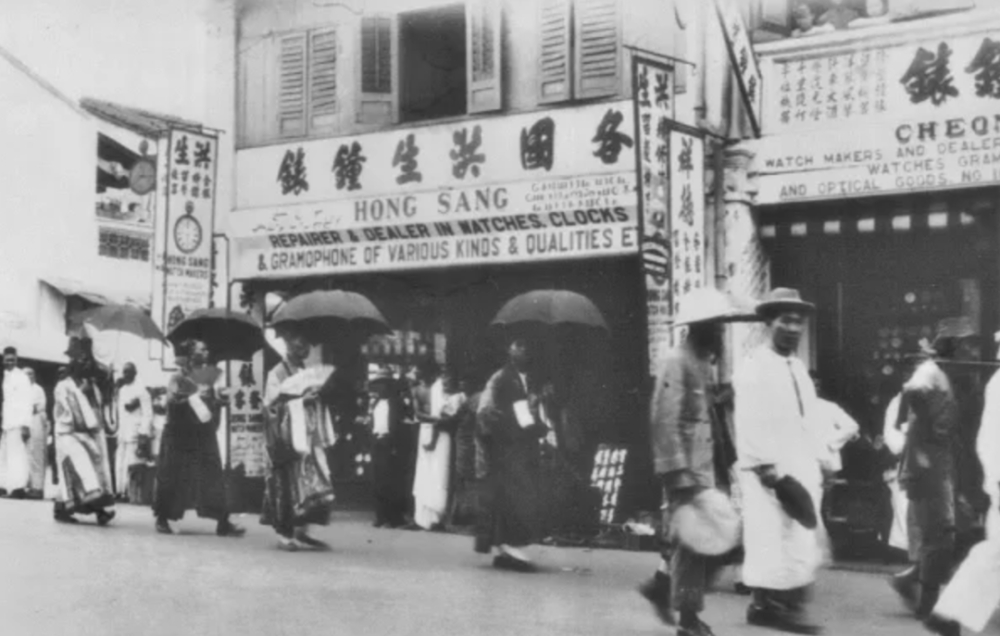
Research suggests that the origins of Nanyang coffee can be traced back to the 1850s, when most coffee shops in Singapore were run by Hainanese immigrants. In 1819, Sir Stamford Raffles established Singapore as a free port, attracting a wave of immigrants and creating a high demand for affordable drinks. Drawing on their prior experience working for Westerners, the Hainanese acquired basic skills in brewing coffee and Western-style beverages. They then transitioned into running coffee shops and, to cater to local Chinese tastes, gradually incorporated culinary thinking into coffee preparation.
The roasting technique employed by Hainanese immigrants is considered the soul of Nanyang coffee. When the green beans were roasted to about 70–80% done, they would add butter, sugar, and salt and continue frying. This method not only effectively masked the common off-flavors of Robusta beans, but also imbued the beans with a rich caramel aroma and unique complexity. It’s important to note that due to the large amounts of sugar and fat added, the roasted beans had to be ground immediately after cooling — otherwise, they became extremely difficult to work with once cooled. This technique remains remarkably innovative even by today’s standards.
When mentioning Nanyang coffee, many people think of so-called “white coffee.” In fact, white coffee does not refer to coffee with non-dairy creamer — rather, it is a modified version originating in Malaysia. Compared to traditional sugar-roasted methods, white coffee reduces sugar usage during roasting and employs a lighter roast level, resulting in a smoother and more refreshing flavor while still maintaining a deep richness. This variation allows consumers who don’t prefer overly sweet or heavy tastes to also enjoy the unique appeal of Nanyang coffee.
However, even though sugar is added during roasting, the final brewed coffee isn’t overly sweet because most of the sugar is converted into caramel during the high-heat process and integrated into the bean’s flavor profile. Robusta beans are naturally high in caffeine and chlorogenic acid, and the intense bitterness from the very dark roast contributes to Nanyang coffee’s strong energizing effect, creating its distinct “like strong liquor” drinking experience. Many older immigrants recall being amazed by its bold and stimulating taste the first time they tried it, likening it to a concentrated energy drink.
Due to the intense strength of the coffee, local Chinese developed a variety of mixed drinking styles, making Kopi far from the only option. In addition to the basic Kopi, there’s Kopi C made with evaporated milk instead of condensed milk, Kopi O without condensed or evaporated milk, as well as variations like iced Kopi Peng, less sweet Kopi Siew Dai, and sweeter Kopi Ga Dai — all showcasing the flexibility and local wisdom of Nanyang coffee consumption.
Over time, this coffee culture, championed by Hainanese immigrants, spread across Southeast Asia and even made its way back to Hainan and Hong Kong-Macau regions. In different areas, Chinese communities continued to adjust their roasting and brewing methods based on local climates and taste preferences. For instance, some coffee brewers in Malaysia choose not to add sugar during roasting, while Thai Chinese incorporate spices and grains into the roasting process to create a special blend called oliang. In Hong Kong, some even add a touch of liquor to enhance aroma — reportedly reducing astringency and adding unique fragrance.
No matter how its form evolves, Nanyang coffee always carries the collective memory and cultural identity of the Chinese diaspora. As anthropologist K.C. Chang once said: “One of the best ways to reach the core of a culture is through the stomach.” In this bold cup of coffee, we not only taste its aroma and flavor, but also feel the efforts and perseverance of generations of Chinese as they made new homes abroad.
Even in today’s era of increasingly popular specialty coffee, Nanyang coffee remains an indispensable part of everyday life and a warm medium that connects generational bonds. The next time you walk down the streets of Singapore or Malaysia and step into a traditional coffee shop, order a cup of Kopi — let that rich, slightly smoky liquid take you on a journey through time to savor the unique coffee story of Nanyang.
The above content is compiled by CoffeeHunters, a coffee news website.


