







Introduction:Explore how Panama’s Boquete region elevated the Geisha coffee variety from an obscure cultivar to one of the world’s most prestigious specialty beans. This article takes you through the origins of the Geisha variety, the challenges of cultivating it, and the unique characteristics of its growing regions. We’ll also delve into the grading systems and processing methods of renowned estates like La Esmeralda and Elida, and provide practical pour over parameters and brewing tips to help you master this star of the coffee world in both flavor and technique.
The Geisha coffee variety, now celebrated globally, was first discovered in 1931 in the forests of Ethiopia’s Gesha region. It was later introduced to countries such as Kenya, Uganda, Tanzania, and Costa Rica. It wasn’t until the 1970s that Geisha made its way to Panama. However, in its early days, due to extremely low yields, it was primarily used as a windbreak and held no commercial value. The turning point came in 2004 when Hacienda La Esmeralda entered it as a standalone entry and won the “Best of Panama (BOP)” championship with its astonishing flavors, forever changing the fate of Geisha.
Geisha coffee trees are extremely particular about their environment. They thrive at high altitudes, in misty, shaded conditions, and cannot tolerate intense direct sunlight. They require fertile, well-drained soil and grow slowly with a long maturation cycle, resulting in more complex flavor profiles. Compared to other varieties, Geisha leaves are thinner, leading to lower photosynthesis efficiency, and its underdeveloped root system results in slower absorption of water and nutrients. Consequently, the yield per plant is only half that of mainstream Catuai varieties, contributing to its rarity and high price.
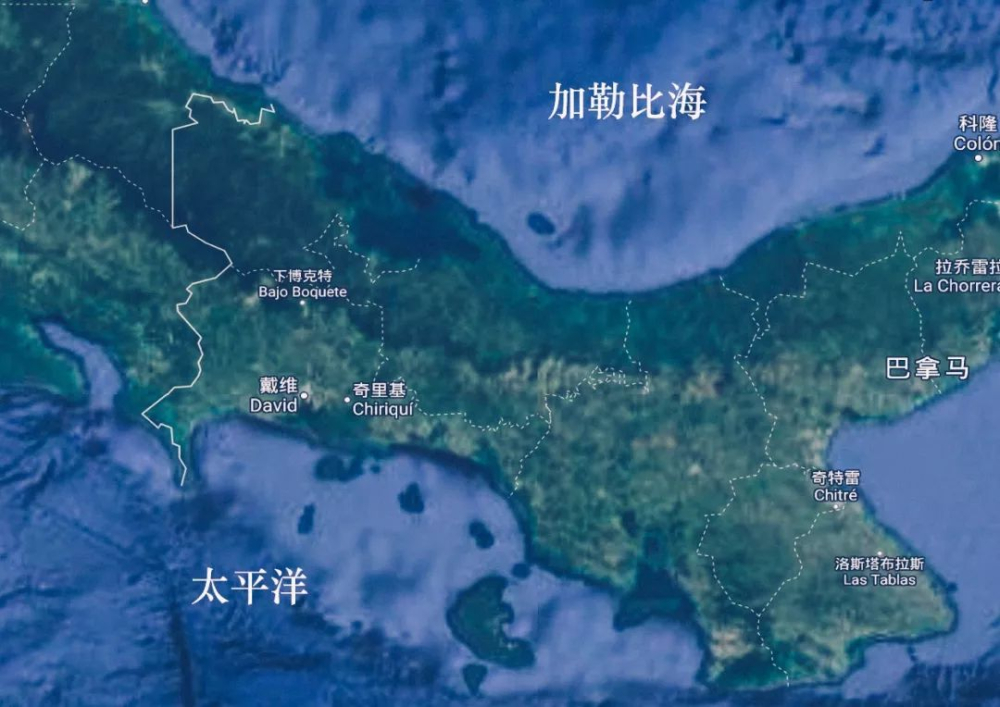
Today, Geisha has become one of the representative varieties of specialty coffee, with particularly outstanding quality produced in Panama, Guatemala, and Colombia—though Panama stands out the most. Within Panama’s Chiriquí province, the Boquete region benefits from its proximity to the Barú Volcano, boasting mineral-rich volcanic soils, along with unique altitude and microclimates that produce distinctive floral and fruity aromas with bright acidity, making it the golden land of Geisha.
When discussing Panamanian Geisha, one cannot overlook Hacienda La Esmeralda. This core estate in Boquete was founded in 1964 by Rudolph Peterson, originally focused on dairy farming. It wasn’t until 1973, when his son Peterson Price left his PhD program to return home and manage the farm, that the estate began introducing various Arabica varieties including Caturra and Catuai, and building a professional washed processing system. This gradually transformed it into a specialist coffee plantation.
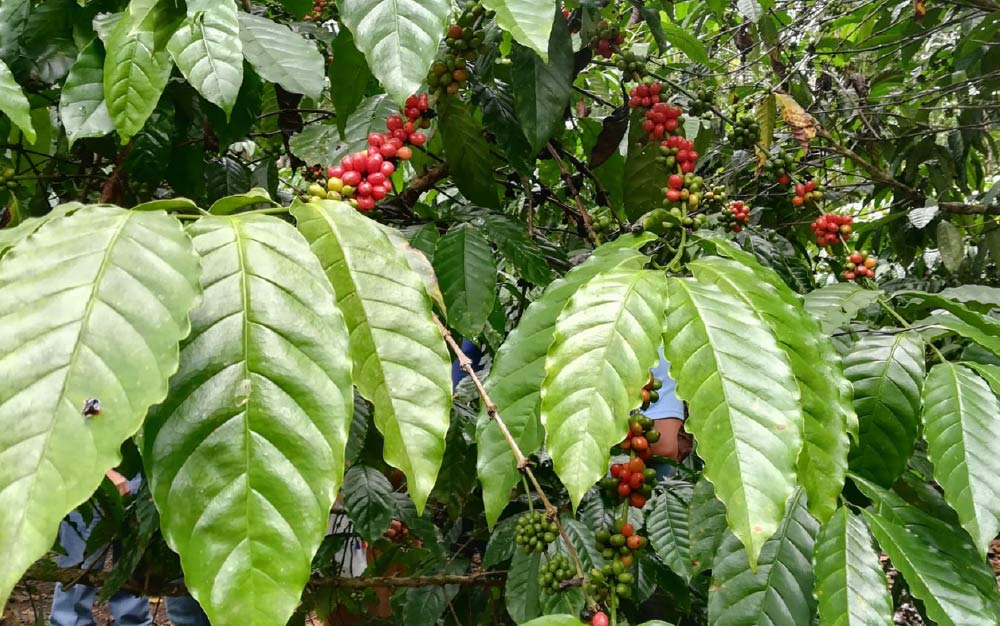
Hacienda La Esmeralda has three main farms where Geisha is grown: El Velo, Canas Verdes, and Jaramillo. Among them, the Geisha from Canas Verdes and Jaramillo are considered the highest in quality. Later, the third-generation owner Daniel, after taking over Jaramillo, discovered through repeated cuppings that only Geisha planted above 1,400 meters could exhibit unique and delicate floral-fruity aromas with a balanced sweetness and acidity. As a result, strict grading based on altitude led to the now-famous Red, Green, and Blue Label systems.
The Esmeralda Special Red Label comes from lots grown between 1,600 and 1,800 meters, requiring a cupping score of 90 or above. It represents the estate’s top-tier offering, often sourced from single plots such as the common Jaramillo plot, ensuring high consistency and traceability. The Green Label, also known as Private Collection, shares the same altitude range as the Red Label but consists of beans blended from multiple plots, resulting in slightly varied flavor expressions. Nonetheless, its signature floral-fruity notes and juicy mouthfeel remain prominent. As for the Blue Label, originally sourced from altitudes between 1,400 and 1,500 meters, since 2021, Geisha from this altitude range has been sold separately under the name Volcanic Geisha and is no longer part of the Blue Label series.
Another must-mention top-tier estate is Elida Estate. Founded in 1918 by the Lamastus family and now in its fourth generation, the estate has over half of its area located within the boundaries of the Barú Volcano National Park. Its unique microclimate and high-altitude environment, combined with the cultivation of diverse high-altitude fruits, provide Geisha with even richer aromatic potential. Elida is extremely meticulous about harvesting and processing, selecting only fully ripe coffee cherries with high pulp sugar content, which is why its Geisha often wins awards in international competitions.
In terms of processing methods, Panama’s top estates mostly use natural and washed processes, along with innovative techniques such as Elida’s Anaerobic Slow Dried Natural (NATURAL-ASD). The natural process involves spreading whole coffee cherries on raised beds or patios and allowing them to dry slowly over a long period, preserving the fruit’s sugars and imparting rich floral and fruity aromas with a full body. The anaerobic slow dried natural process involves initial fermentation in a sealed environment for several days followed by slow drying at low temperatures, which enhances the complexity and layering of flavors—a method commonly used for Elida’s Geisha.
The washed process, on the other hand, involves removing the fruit skin and pulp first, then fermenting to remove the mucilage layer, resulting in a cleaner, brighter acidity and more refreshing cup profile. However, this method requires significant amounts of water and is relatively costly. Different processing methods directly impact the final flavor expression of Geisha, and consumers can choose based on their taste preferences.
For pour over enthusiasts looking to fully highlight Geisha’s delicate flavors, choosing the right brewing parameters is crucial. It’s recommended to use freshly roasted beans, ideally within five days of roasting, to preserve optimal aromas and freshness. Taking the Esmeralda Red Label as an example, a V60 dripper is suitable, paired with a medium-fine grind size (around 80% passing through a 20-mesh sieve according to the Chinese standard). A 1:15 brew ratio is advised, with water temperature controlled at 90–91°C, and around 15 grams of coffee.
Specifically, start with a 30-second bloom using twice the coffee weight in water. Then pour in small streams in a circular motion from the center outward. The first pour reaches 125 grams and is paused once the coffee bed drops. Continue pouring to reach 225 grams to complete extraction, with a total brew time of about two minutes. These parameters effectively bring out Geisha’s layered flavors of citrus, rose, berries, and honey, delivering a full-bodied cup with a long-lasting finish. If you don’t have a grinder, you can ask your local café to grind it for you, but note that coffee grounds lose aroma quickly, so it’s best to brew as soon as possible for the optimal flavor experience.
The above content is compiled by CoffeeHunters, a coffee news website.


