







Introduction:To brew an espresso with a rich and balanced flavor, tamping may seem like a simple step, but it is crucial for determining the texture of the coffee puck and extraction efficiency. This article dives deep into how to create a compact and uniform puck through proper tamping techniques and tapping methods, thereby enhancing overall flavor performance. Whether you’re a beginner or an experienced barista, you can gain practical tamping tips from this guide.
Behind a successful shot of espresso lies many easily overlooked details, among which tamping is a vital step. Many beginners often focus on adjusting grind size or water temperature but neglect the seemingly simple yet highly impactful act of tamping. In fact, the integrity of the coffee puck directly affects the uniformity and flow rate of extraction, thereby altering the final flavor presentation.
In professional coffee preparation, tamping is not just about pressing down the coffee grounds—it requires control over pressure, angle, and technique to ensure a compact and evenly distributed puck. When tamped correctly, the resulting puck can stably support the water flow, avoid channeling, and allow each drop of coffee to be fully extracted, bringing out optimal aroma and complexity.
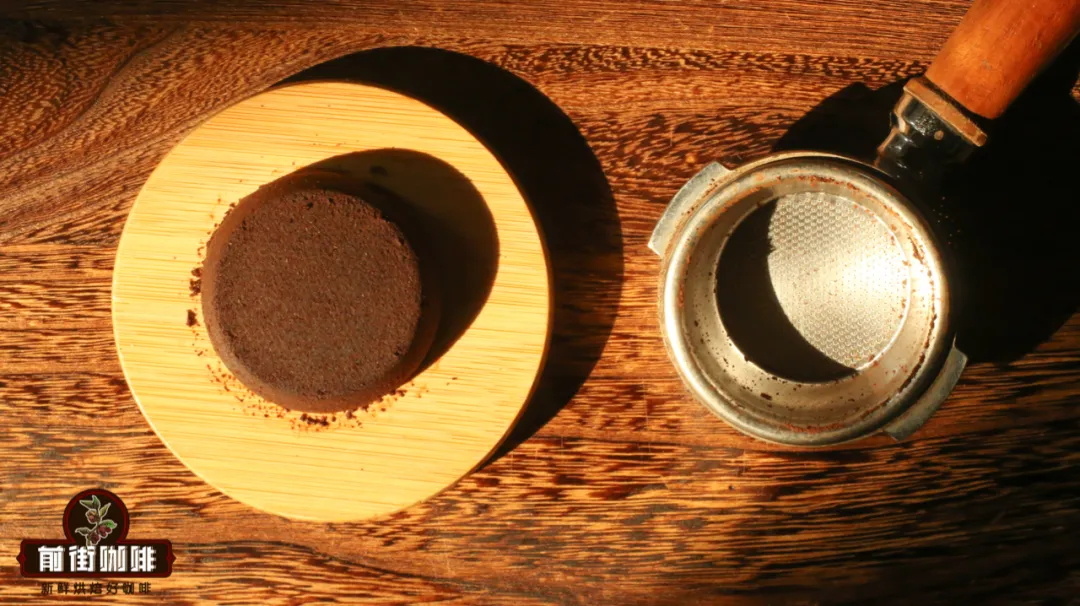
Many experienced coffee enthusiasts aim to knock out a whole, non-loose puck during espresso extraction. While the appearance of the puck doesn’t directly determine the absolute quality of the coffee, it does reflect whether the tamping process was executed properly. Particularly, if the puck remains intact when removed, it usually indicates uniform tamping pressure and proper distribution of coffee grounds—both of which are foundations for smooth extraction.
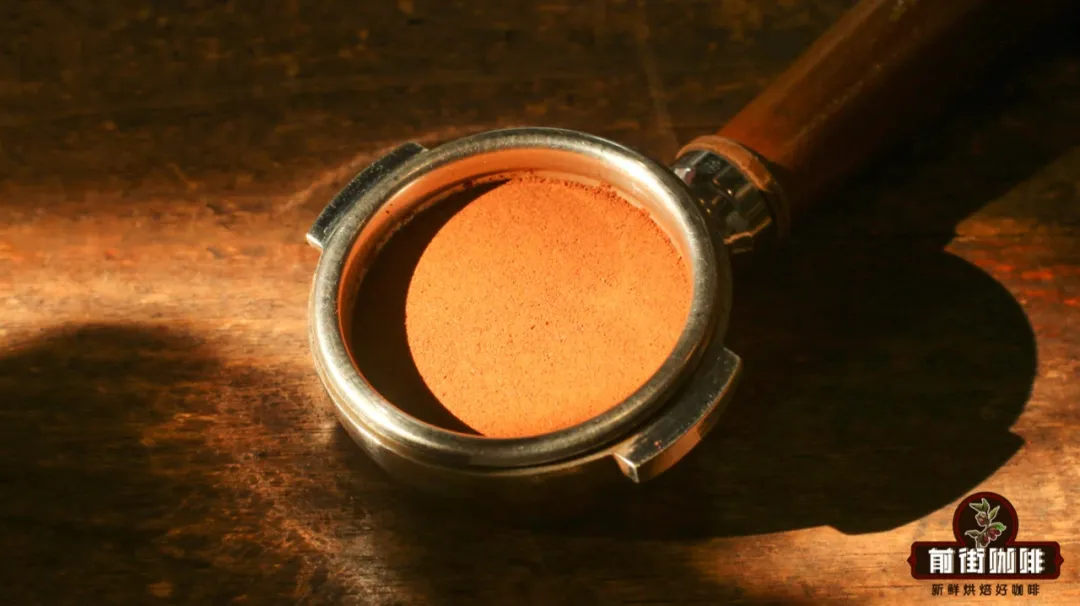
To create an ideal puck, first pay attention to how the coffee grounds are placed before tamping. It’s recommended to evenly pour the ground coffee into the portafilter and gently shake or use a leveling tool to make the surface flat. This helps achieve more consistent density during tamping. Over-shaking may cause the puck to become overly compact or develop cracks, which can negatively affect extraction—this is a common but often overlooked mistake.
Next comes controlling the tamping pressure. It’s generally recommended to apply around 30 pounds (approximately 13 kilograms) of pressure when tamping. Though not an absolute figure, it serves as a good starting reference. Keep the tamper vertical during tamping to avoid tilting, which could lead to one side being too firm and the other too loose. Stable and even force application ensures that the coffee is compacted without creating unnecessary air pockets, which is very important for maintaining extraction stability.
After tamping, the next step is to tap the portafilter to remove excess coffee grounds and ensure the puck adheres tightly to the basket. This action may seem simple, but it involves many nuances. It’s recommended to use the edge of the portafilter or the table as a fulcrum, and gently tap the bottom of the portafilter with appropriate force so the puck naturally detaches from the tamper while remaining intact. Improper control of tapping force or position can easily cause the puck to crack or loosen, subsequently affecting water flow distribution during extraction.

In addition, tamping depth is another detail worth paying attention to. The contact surface between the tamper and the portafilter should be as level as possible. Tamping either too deep or too shallow can result in an uneven puck, thereby affecting flow speed and extraction efficiency. Some professional baristas fine-tune the tamping depth and pressure based on the type of portafilter and grinder characteristics to achieve optimal extraction performance.
Once the puck is made, observing its appearance is also a way to assess the tamping result. An ideal puck should have a flat surface, no obvious cracks on the edges, and remain intact when removed. If the puck appears loose, cracked, or irregularly shaped, it may indicate uneven tamping pressure, improper coffee distribution, or the need to adjust the tapping method. These are all important clues for optimizing the extraction process.
In practice, mastering tamping skills often requires repeated practice and observation. Beginners are advised to start with the same coffee beans and grind settings, focusing on adjusting tamping pressure and technique to gradually find the most suitable tamping method for themselves. Keeping a record of each tamping parameter and its outcome can help you quickly grasp key details and further improve the consistency of espresso quality.
In summary, although tamping is just a small step in making espresso, it is a crucial part that influences overall extraction performance. From tamping pressure and depth to tapping technique, each step can significantly impact the final coffee flavor. Through continuous practice and adjustment, you’ll be able to produce a compact, uniformly extracted puck, and ultimately brew a richer, more layered espresso.
The above content is compiled by CoffeeHunters, a coffee news website.


