








Introduction:While making espresso may seem simple, it actually involves the precise control of multiple key variables. This article delves into the standard extraction conditions for espresso, including pressure, water temperature, brew ratio, and time settings, while also analyzing the rationale behind these adjustments. Additionally, we introduce the flavor profile of a specialty blend, explain the correct way to taste espresso, and demonstrate how to use the same beans for pour over—taking you from brewing to drinking with full mastery.
Espresso is often considered one of the most fundamental yet technically demanding beverages in the coffee world. Many assume that simply loading coffee grounds into a portafilter, tamping lightly, and starting the machine is all it takes to make an espresso. In reality, extracting a well-balanced, layered shot of espresso requires strict control over numerous parameters such as pressure, water temperature, dose, extraction time, and brew ratio.
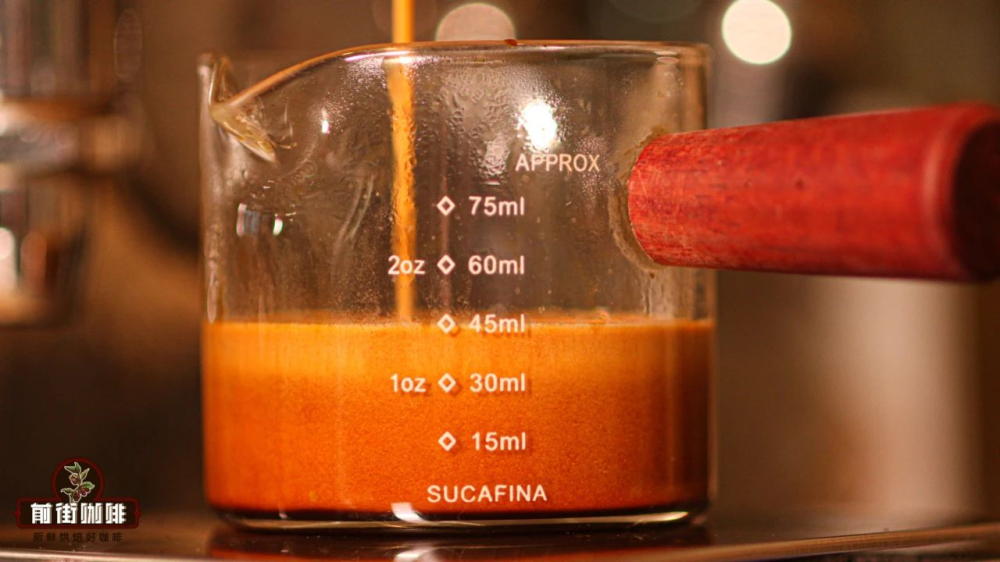
Based on real-world shop experience, espresso extraction conditions have undergone repeated adjustments and optimizations. Early on, following recommendations from the Specialty Coffee Association of America (SCAA), the standard espresso extraction parameters were: 9–10 bar pressure, 7–9 grams of coffee, water temperature controlled at 88–92°C, extraction time of about 22–28 seconds, yielding approximately 45 milliliters of espresso. However, with the rise of the third wave coffee movement, lighter roasts have become more prevalent, and espresso machine technology has improved. Current extraction parameters have evolved: pressure remains at 9–10 bar, but the coffee dose has increased to around 18 grams, water temperature raised to 92–94°C, extraction time extended to 25–27 seconds, and output measured by weight—at about 30 grams rather than volume in milliliters. This shift has made the extraction process more precise and controllable.

In practice, espresso quality is influenced by multiple factors, including ambient temperature and humidity, coffee bean roast level and freshness, grind size, extraction pressure, and time. As a result, many professional shops perform systematic calibration of these variables before daily operations to ensure consistent quality across every shot.
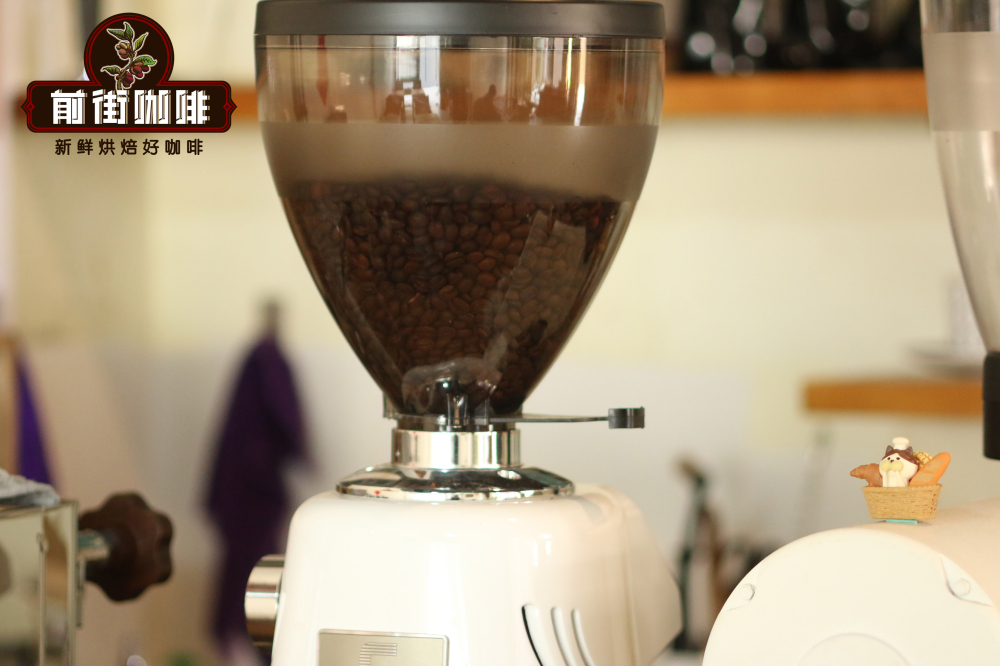
When adjusting extraction parameters, focus is typically placed on the following key aspects:Grind size,Extraction pressure,Coffee dose, andFinal yield. Among them, the finer the grind, the greater the contact area between coffee and water, allowing more flavor compounds to be extracted—but if too fine, it can lead to over-extraction, resulting in unpleasant bitterness or burnt notes. Conversely, a too-coarse grind may cause under-extraction, leading to weak flavors, overly acidic profiles, and lack of complexity.Extraction pressureis also crucial. Too low a pressure can produce thin crema and muted flavors, while too high a pressure may damage the coffee structure, releasing excessive impurities and causing bitterness.The coffee dosemust be adjusted according to the capacity of the portafilter basket—too little can lead to under-extraction, too much may prevent the portafilter from locking in properly.The final yieldis generally guided by the brew ratio, with the common ideal ratio being 1:2—that is, about 2 grams of espresso for every 1 gram of coffee. During the extraction process, the early stage flavors are usually more intense, gradually becoming lighter toward the end.

As a practical example, one well-known café uses the following parameters for espresso extraction: using a Galileo Q18 grinder set to a 2.1 grind setting; paired with a La Marzocco Linea Mini (assumed equivalent to “飛馬E98”) espresso machine, maintaining 9±2 bar pressure, water temperature between 90–96°C, dose set at 19.5 grams, yielding 35 grams of espresso. Under these parameters, the café’s espresso offers pronounced whisky-like aromas, complemented by sweet notes of vanilla and cream, subtle berry acidity, and a long, rich dark chocolate finish. The overall mouthfeel is smooth and layered.
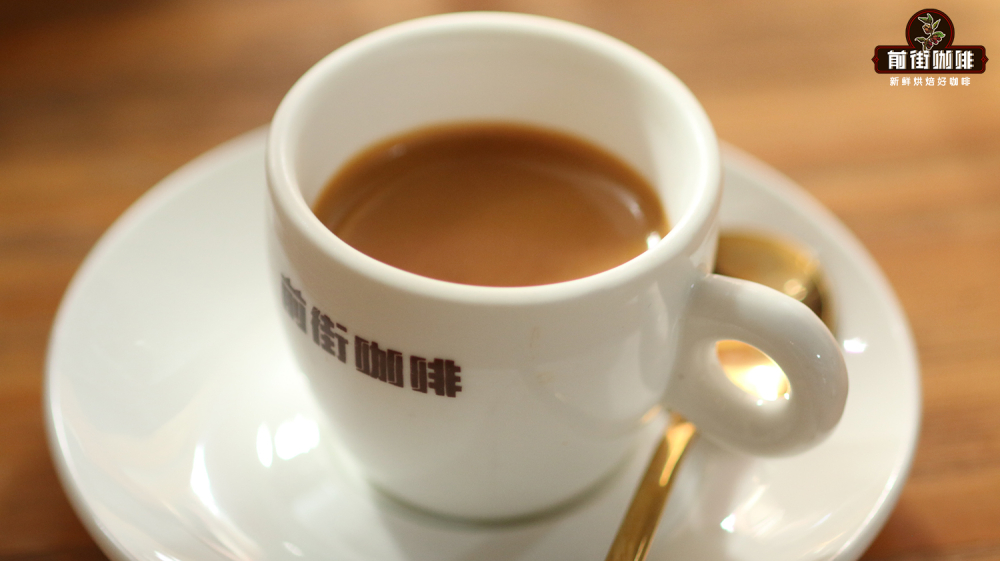
When tasting espresso, many newcomers are puzzled by the ice water served alongside—why provide ice water when there’s already espresso in the cup? In fact, this ice water serves an important purpose. Because espresso’s flavors are intense and concentrated, some drinkers may find its strong taste overwhelming at first. The main role of the ice water is to cleanse the palate and reset the taste buds, helping drinkers better perceive the delicate nuances of the espresso. It’s recommended to take a small sip of ice water before tasting, then gently stir the crema (the golden layer on top) with a spoon to observe its color and fluidity, which can indicate the extraction status. Next, take a small sip of espresso and let it linger in your mouth to appreciate its flavor layers and texture. Sipping ice water between each shot can further highlight the evolving flavors of espresso at different temperatures and taste states. Of course, if preferred, one can also stir the entire shot and drink it all at once to experience a more integrated flavor profile.
Furthermore, many customers wonder whether espresso beans can be used for pour over. The answer is yes, but brewing methods differ. Taking the same blend as an example, if using it for pour over, it is recommended to use a KONO filter, set the water temperature to 87°C, use about 15 grams of coffee, with a brew ratio of around 1:15, and grind size roughly equivalent to 70% through a Chinese Standard No. 20 sieve—that is, a medium-coarse grind. For pouring, the “の” (N-shaped) method can be used: start with a 30-second bloom, then pour slowly in small circles from the center. At 125 grams of total water poured, perform the first pour break; when the water level is about to expose the coffee bed, continue pouring gently and steadily until reaching 225 grams total, with the whole process taking about 2 minutes. This method can also highlight the unique flavors of the blend, including rich whisky notes, prominent berry acidity, and sweet aromas of vanilla and cream. The resulting cup is full-bodied with great depth.
The above content is compiled by CoffeeHunters, a coffee news website.


