







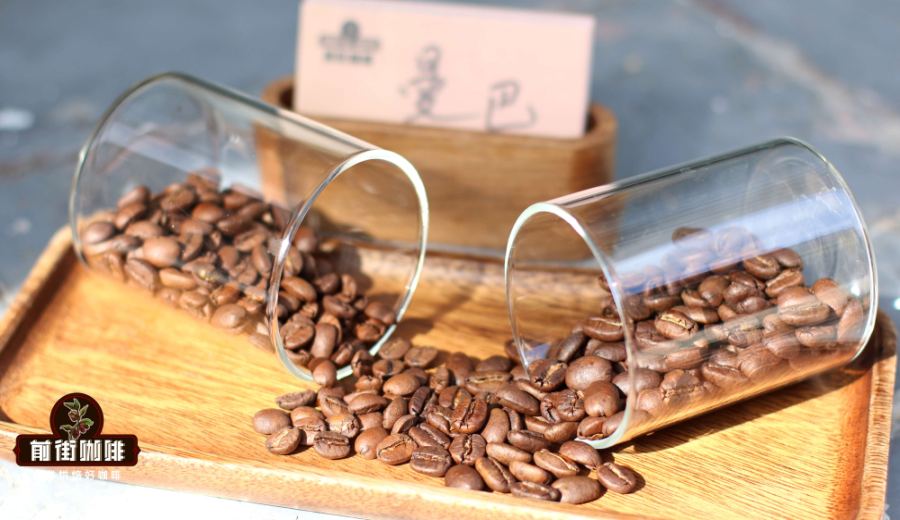
Introduction:Choosing the right espresso blend is key to enhancing your home brewing experience. A blend is not just a random mix, but a delicate balance of flavors. This article takes an in-depth look at five popular types of espresso blends—rich & bold, fruity & vibrant, nutty, rich in crema, and budget-friendly—and uses specific coffee examples to explore different flavor profiles and ideal use cases, helping you find the perfect blend that suits your taste.
Blending coffee is not as simple as randomly mixing a few beans. It involves carefully selecting beans from different origins, processing methods, and roast levels to create a more complete and layered flavor profile. Especially for espresso, blending can compensate for the flavor flaws of single-origin beans, making the resulting shots more balanced and stable—ideal for crafting all kinds of classic coffee beverages.
To brew espresso at home with a professional-level taste, besides mastering basic grind size and extraction time, choosing a blend that matches your personal taste is the top priority. Below, we’ll take a detailed look at five common and popular types of espresso blends, with real representative beans to help you make the best choice based on your flavor preferences.
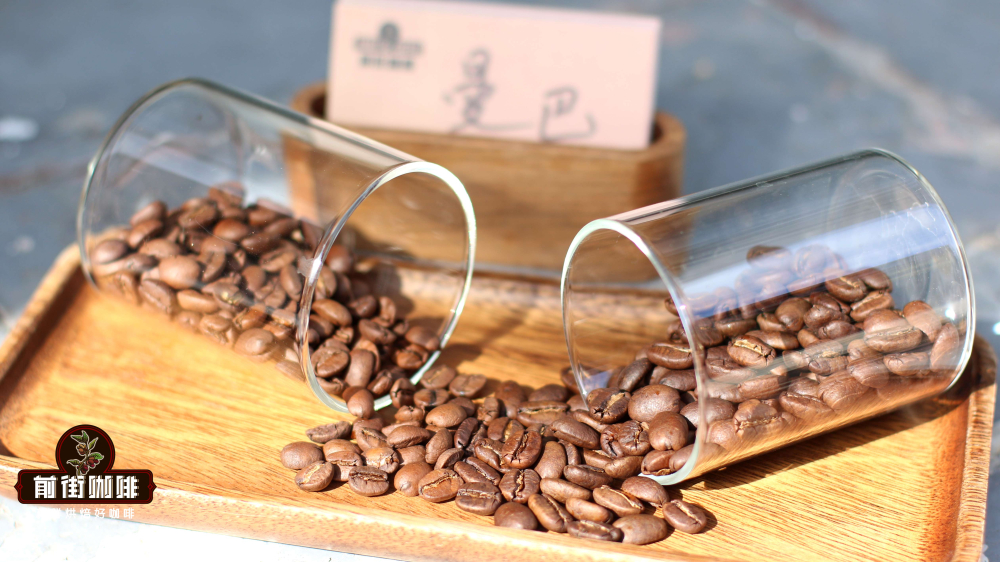
The term "blend" generally refers to using two or more coffee beans from different regions, varieties, or processing methods, combined according to design goals to achieve a specific flavor profile. The number of beans in a blend typically ranges between 2 and 6; too many can make the overall flavor lose focus. The soul of a blend lies in how the characteristics of different beans complement each other—such as balancing acidity, enhancing body, increasing sweetness, or evening out the aftertaste—to produce a more harmonious cup during extraction.
While many high-quality single-origin beans possess unique regional characteristics, they often fall short in flavor complexity or consistency. Blending not only improves the overall performance of the coffee but also helps it shine in the high-pressure, high-temperature environment of espresso extraction, making it especially suitable for making espresso, lattes, or cappuccinos.
If you’re choosing a blend for home brewing, it’s recommended to prioritize the roast date and overall flavor direction of the beans. Freshly roasted beans usually reach their optimal extraction state within 7–21 days after roasting. It’s also advisable to select beans from reputable roasters with consistent supply to ensure uniform quality.
Next, let’s explore five representative espresso blends, each showcasing its own flavor characteristics and ideal usage scenarios.
1. Bold & Rich Profile: Classic Mandheling & Brazil-Based Blend
For coffee lovers who enjoy a bold, full-bodied taste, good latte art potential, and noticeable body, a classic espresso blend based on Mandheling and Brazilian beans is a great choice. These blends were commonly found in Taiwan’s early-era cafes, offering a deep coffee foundation and smooth mouthfeel. Some recipes even include a small amount of Robusta beans to further enhance crema and richness, making them highly suitable for milk-based coffees like lattes—improving the harmony between milk foam and coffee, and delivering better latte art results.
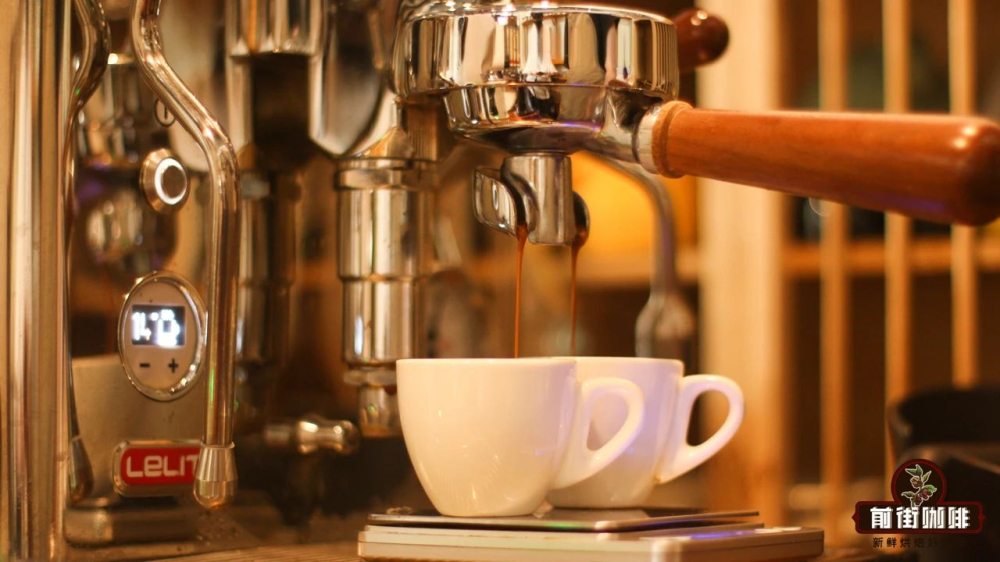
2. Fruity & Vibrant Profile: Honey-Processed & Medium-Light Roast Combination
If you prefer bright, sweet-tart espressos with floral and fruity notes, go for a medium-light roast blend featuring honey-processed beans from Costa Rica and beans from Ethiopia. These blends, carefully crafted, not only offer gentle acidity but also deliver a refreshing sweetness reminiscent of strawberry taffy, while maintaining a balanced body and delicate crema. Ideal for coffee enthusiasts who love fruit-forward flavors and layered complexity, these blends pair especially well with light roasts or neutrally flavored milk for milk coffees.
3. Nutty Profile: Balanced Brazil & Colombia Combination
If you’re fond of cream, nuts, and chocolatey flavors, a blend primarily composed of Brazilian and Colombian beans is recommended. These blends often exhibit aromas of roasted nuts, cocoa, and buttery cookies, with a stable flavor and clear layers. The resulting espresso usually carries a soft sweetness and a strong nuttiness, making it suitable for those who enjoy traditional European-style coffee or seek a reliable daily brew.
4. Rich in Crema Profile: Medium-Dark Roast Triple-Region Commercial Blend
To recreate the rich, creamy taste of café-grade milk coffee, a medium-dark roast commercial blend is an excellent choice. These blends typically combine beans from Brazil, Colombia, and Vietnam, using a medium-dark roast to bring out rich caramel, toasted grain, and nutty notes. The crema is especially prominent, providing a smooth, bold, and sweet-aftertaste experience whether you’re making Americano or latte. Affordable and widely loved, these blends are a daily favorite for many households.
5. Budget-Friendly Profile: Beginner-Friendly All-Rounder Blend
For those just starting out with espresso, choosing an affordable, all-rounded blend is a solid first step into the coffee world. These blends usually balance mild fruit acidity, caramel sweetness, and nutty-chocolatey finishes, offering a well-rounded and approachable flavor. Suitable for both home use and as a base bean for café daily service, these blends are practical choices for beginners or those seeking consistent performance at a reasonable cost.
In summary, the key to choosing the right espresso blend lies in understanding your own flavor preferences and intended use. Whether you’re after bold crema, fruity complexity, or a balanced everyday bean, there are diverse options available to explore. We recommend selecting a freshly roasted, flavorful blend that matches your actual brewing conditions and personal taste—so you can fully experience the endless charm of espresso.
The above content is compiled by CoffeeHunters, a coffee news website.


