








Introduction:Gain an in-depth understanding of the key elements that define Colombian specialty coffee — from regional environments and the evolution of main cultivars, to the Supremo grading system and pour over recommendations. This comprehensive guide will help you fully grasp the unique characteristics of this internationally renowned coffee by exploring altitude, cultivars, and brewing parameters.
Colombia is the world’s third-largest coffee producer. Its uniquely favorable low-latitude, high-altitude environment gives rise to coffee with rich and diverse flavor profiles. In particular, coffee beans graded as Supremo, distinguished by their large, uniform bean size and outstanding quality, have become a favorite among many coffee enthusiasts and professional roasters. This article will take you through a complete overview of Colombian Supremo specialty coffee beans — from regional traits and cultivar backgrounds, to classification, actual brewing parameters, and flavor descriptions.

Many consumers often notice significant flavor differences when trying Americanos at various cafés. Beyond the influence of roasting and brewing methods, the fundamental reason is often the different origins of the coffee beans used. For instance, some cafés once used Brazilian and Colombian blends, highlighting prominent nutty notes and a full-bodied mouthfeel — which contrasts sharply with the distinctly floral and fruity profiles of single-origin Colombian beans. In fact, Brazilian coffee typically exhibits low acidity and high body, while Colombian specialty coffee offers more complex layers, such as the sakura castillo variety showcasing notable berry jam, spice, and fermentation notes, with a deep chocolatey finish.
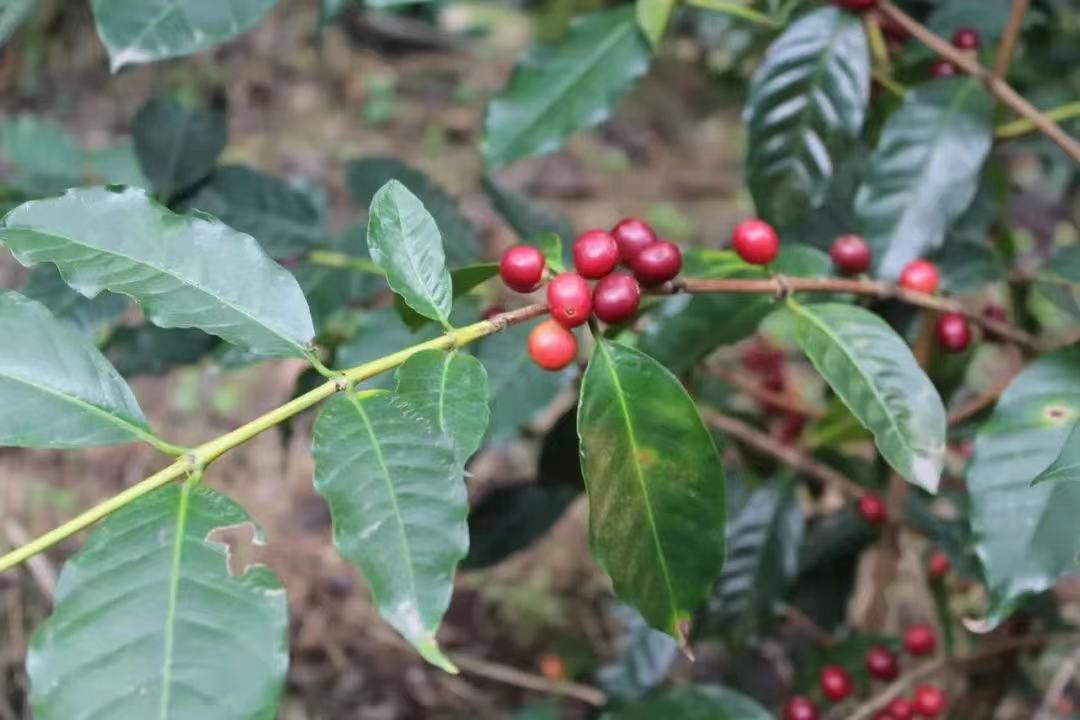
The excellent quality of Colombian coffee is inseparable from its geographical conditions. Nearly all of the country’s coffee is managed and exported under the unified system of the Federación Nacional de Cafeteros de Colombia (FNC), which represents over 50,000 producers, most of whom are small family farms. Colombian coffee farms are mostly located in low-latitude, high-altitude regions with diverse terrains. Such an environment allows coffee cherries a longer maturation period, enabling them to accumulate more sugars and aromatic compounds, thereby enriching the coffee’s flavor.
The two traditional main cultivars of Colombian coffee are Caturra and Variedad Colombia. Introduced from Brazil in the 1960s, Caturra quickly replaced the earlier Typica and became the dominant variety. By the 1980s, the FNC introduced Variedad Colombia, a hybrid of Caturra and Timor, which offered stronger disease resistance — particularly against the then-emerging leaf rust. Although often confused with Catimor, Variedad Colombia is actually a hybrid improvement of Caturra and Timor, with a more elegant flavor profile, and it is not your typical Catimor line.
Entering the 2000s, as Coffee Berry Disease (CBD) posed a growing threat, the FNC continued investing in varietal improvement and eventually successfully developed new disease-resistant varieties such as Castillo and Tabi. Among these, Castillo was officially promoted in 2005 as the flagship of the “Rust-Free Colombia Program,” and it has since become one of the most widely planted varieties in the country. This variety not only boasts strong disease resistance but can also deliver refined flavor profiles under proper cultivation — for example, sakura Castillo exhibits prominent spicy notes and berry tones.
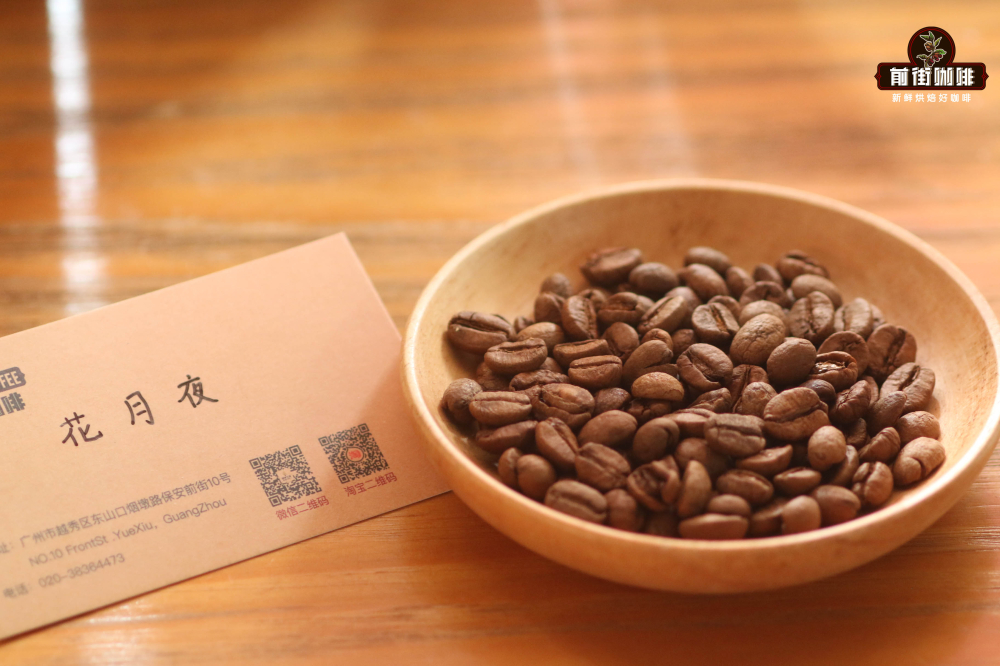
For actual brewing, taking sakura Castillo as an example, it is recommended to use a V60 #01 filter, with 15 grams of coffee, a 1:15 coffee-to-water ratio, and water temperature controlled at 90°C. The grind size should be medium-fine (approximately 78% passing through a #20 sieve). Start with a 30-second bloom using 30 grams of water, followed by a second pour to 125 grams, and a final pour to 225 grams, achieving a total brew time of about 2 minutes. These parameters can fully highlight its bright acidity, berry and spice layers, while bringing out delicate sweetness and a lingering finish.
Colombian specialty coffee beans are mostly produced in high-altitude regions above 1,500 meters in the southern and central parts of the country, including San Agustín in the Department of Huila, Popayán in Cauca, Nariño, and Tolima. Coffee from these areas often features delicate floral notes and bright acidity, paired with moderate body and caramel sweetness, creating the distinctive balance that defines Colombian coffee. The so-called “coffee triangle” refers to the main producing belt that extends from south to north along the Andes Mountains, encompassing multiple renowned coffee-growing regions.
The main coffee-producing regions in Colombia include:
- Antioquia (Medellín) – accounts for 18% of total production
- Tolima (Ibagué)
- Caldas (Manizales) – accounts for 29% of total production
- Valle del Cauca (Cali) – accounts for 13% of total production
- Huila (Neiva) – accounts for 5% of total production
- Cauca (Popayán) – accounts for 4% of total production
- Santander (Bucaramanga)
Colombia maintains extremely strict quality control over its coffee, classifying beans based on size, shape, and defect rate. Among these, Supremo is one of the highest grades, requiring beans to pass through an 18-size sieve, with a 10% flexibility allowance, but still needing to be retained by a 17-size sieve. Another common grade is Supremo 17/18, indicating uniformly sized beans that pass through a 17/18 sieve, with a 5% exception allowed, yet still required to be held by a 14-size sieve. Additionally, Excelso EP 10% and 5% are considered medium-to-large beans, allowing some beans to pass through a 14/12 sieve. The lowest grade, UQG (usually good quality), includes beans above 14 but below 12, with production limited to within 1.5%.
In summary, Colombian Supremo specialty coffee beans not only demonstrate professionalism and rigor in terms of regional environments, varietal cultivation, and grading classifications, but also offer highly diverse and layered flavor expressions. Whether you’re a beginner or advanced pour over enthusiast, understanding these key elements will help you better appreciate and evaluate a cup of Colombian specialty coffee.
The above content is compiled by CoffeeHunters, a coffee news website.


