








Introduction:Robusta coffee beans are often regarded as low-grade material, but in reality, they also have irreplaceable advantages. This article starts with the origin and botanical background of Robusta, analyzes its differences from Arabica, and explores its key role in espresso. Whether you're a coffee novice or want to understand the technical details of coffee blends, you can grasp the practical applications and flavor characteristics of Robusta from this.
Among the three major mainstream coffee varieties in the coffee world, Robusta has long been classified as a 'secondary' choice, mostly used for instant coffee or commercial bean production, and it’s hard for it to step onto the stage of specialty coffee. But in recent years, it has gradually returned to the focus of professional discussions. What exactly is special about Robusta? How is it different from the common Arabica? This article will start from Robusta’s African origin, deeply analyze its botanical classification, historical role, as well as its potential and limitations in modern coffee applications.

Many people’s impression of Robusta remains stuck on 'bitter, astringent, and harsh', even believing that it doesn’t belong in the realm of specialty coffee at all. In fact, the main reasons why Robusta has long been undervalued are twofold: one is that it is commonly used to make instant coffee or commercial blend beans, and the other is that its flavor profile often lacks finesse, with obvious burnt bitterness and nutty smoky tones, forming a strong contrast with the floral and fruity notes preferred in Arabica. Especially after the rise of specialty coffee, these 'flaws' have been magnified even more.
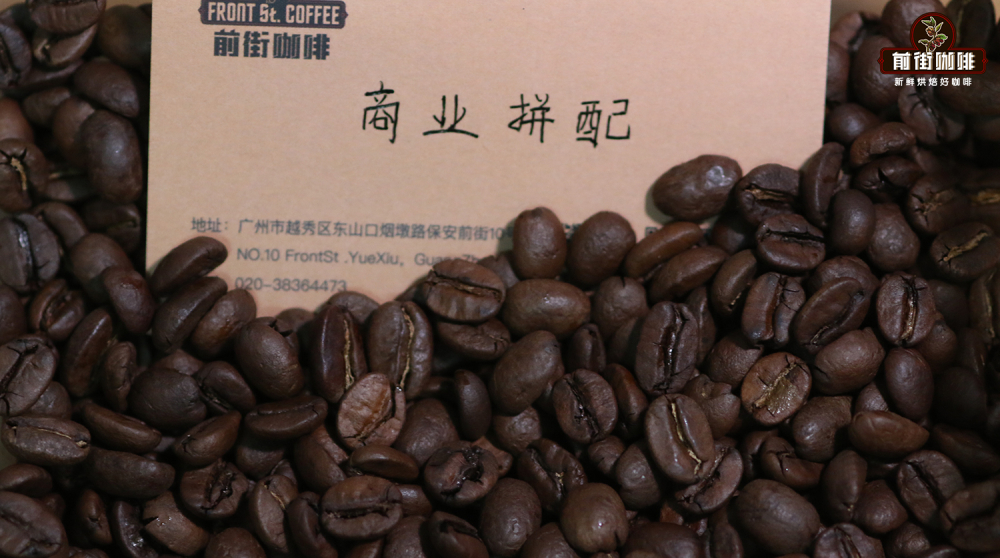
However, Robusta is not without merit. In fact, it has a high concentration of caffeine and abundant Crema (coffee oils), which made it play a pivotal role in the field of espresso. Especially in parts of Europe and Asia, Robusta remains an indispensable element in many coffee blends. For example, a classic blend from a certain coffee shop combines Brazil, Mandheling, and a suitable amount of Robusta, creating a brew with rich aroma, full-bodied taste, and abundant crema — very suitable for beginners to experience the charm of espresso.
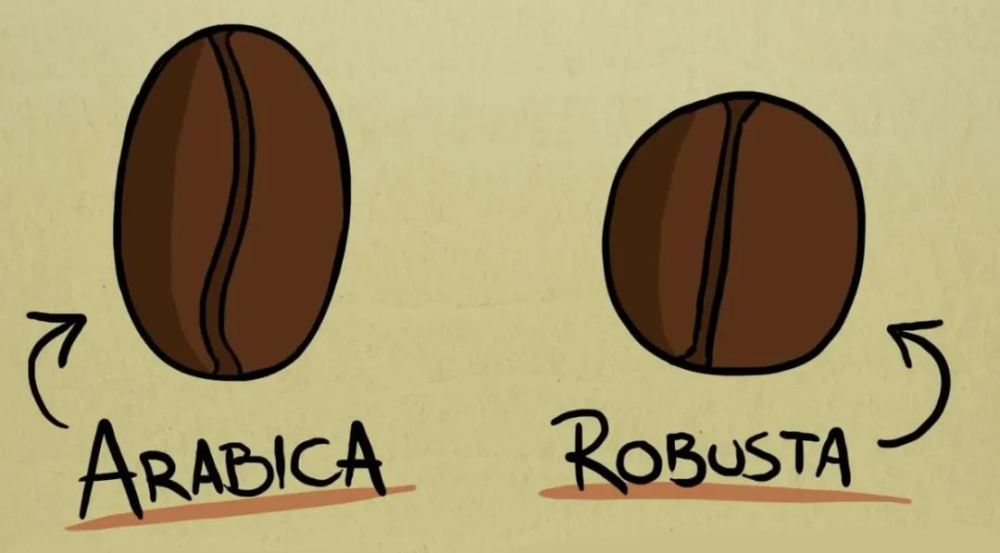
Robusta and Arabica actually both originate from Africa, but their evolutionary paths are completely different. Arabica is a small-bean variety, first discovered in the Ethiopian highlands, and later spread globally via the Yemeni port of Mocha, developing well-known varieties such as Typica, Bourbon, and Geisha. In contrast, Robusta is a medium-bean variety, first recorded in the Congo Basin of Africa, botanically classified as ‘Canephora’, and listed alongside Arabica as the two main branches under the genus Coffea. Robusta is actually just one strain within the Canephora species, but because of its commercial success, it has ultimately become synonymous with the species.
Interestingly, there are actually other strains under Canephora, but most remain in the wild or undeveloped state, and only Robusta has been widely cultivated and circulated. In addition, the domestication of Robusta happened relatively late, not being discovered until 1898 by a Belgian botanist in the Congo. Later, due to the global coffee leaf rust crisis, its excellent disease resistance led to its gradual introduction into affected Arabica-growing regions as a substitute or intercrop.

Looking back at the mid-to-late 20th century, Robusta had its moment in the spotlight. Due to its high caffeine content and rich oils, it was often added to espresso blends to enhance the coffee’s intensity and crema performance. At that time, many consumers drank coffee mainly to get a caffeine boost, and Robusta perfectly met that need. For example, a certain brand’s commercial blend once used a combination of Brazil, Mandheling, and Robusta to create a coffee with solid aroma, rich taste, and shiny crema — very suitable for coffee beginners.
For coffee shops, Robusta is also a stable and cost-effective choice. Many shop blends use Colombia, Brazil, plus a small amount of Robusta to balance aroma, sweetness, and body. Such blends are not only easy to handle but also ensure consistent performance in every shot of espresso, making them extremely beginner-friendly for new baristas.
However, with the rise of specialty coffee culture, consumers began to pursue delicate flavors and origin characteristics, and the disadvantages of Robusta became highlighted. Compared to the floral, citrus, or berry notes brought out by light-roasted Arabica, even light-roasted Robusta tends to present monotonous flavors like grain or almond, sometimes accompanied by unpleasant impurities. Dark roasting can enhance its aroma, but the bitterness also amplifies, posing a big challenge to the taste buds.
Even so, a few producers are challenging the possibility of high-quality Robusta. For example, India’s ‘Coffee Royale’ is Robusta grown at high altitudes to specialty Arabica-grade standards, and its flavor profile is relatively clean, with strong notes of nuts, peanut butter, and wheat, showing a level of complexity that is distinctly different from typical Robusta. However, such cases are still rare and costly, making large-scale promotion difficult.
Overall, the value of Robusta does not lie in replicating the flavors of Arabica, but in leveraging its unique physical and chemical properties. It is relatively inexpensive, has a high caffeine content, and provides a rich taste and abundant oils. These traits allow it to still hold a place in instant coffee, commercial blends, and some espresso recipes. For consumers who want to deeply understand coffee bean characteristics, blending logic, or are looking for a cost-effective option, understanding Robusta is definitely an indispensable piece of the coffee knowledge puzzle.
The above content is compiled by CoffeeHunters, a coffee news website.


