







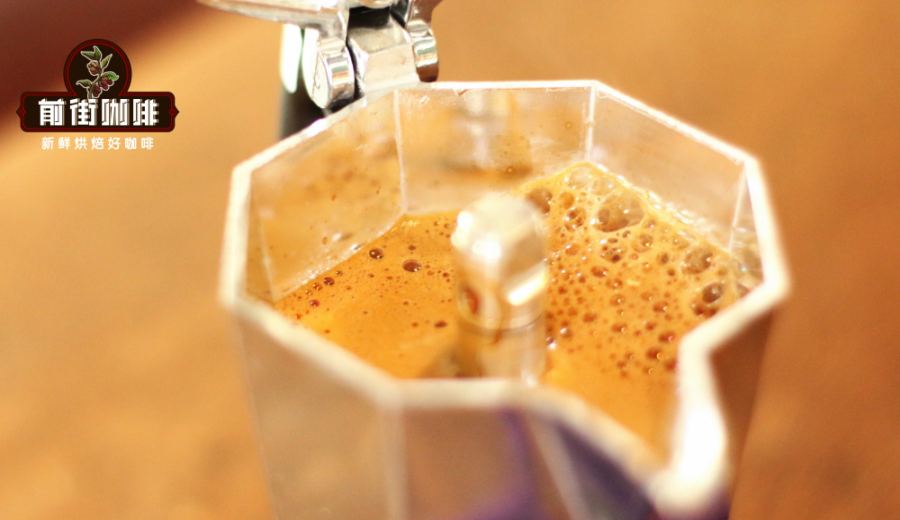
Introduction:High-concentration black coffee brewed with a moka pot is often paired with milk to create a homemade latte. However, different roast levels and blends or single-origin beans can greatly influence the final flavor profile of the milk-based coffee. This article explores the logic behind selecting three main types of coffee beans based on flavor preferences—from bold, low-acid dark roast blends, to balanced medium-roast beans with sweet and acidic notes, to distinctive light-roast single origins—and provides the golden ratio of moka pot coffee to milk to help you easily brew a smooth and well-balanced milk coffee.
The moka pot operates on a pressure extraction principle similar to commercial espresso machines, producing a rich and full-bodied black coffee. For this reason, many users add milk to their moka coffee to create a latte-like beverage. However, choosing the right coffee beans is crucial to brewing a satisfying milk coffee. Below, we’ll introduce three directions for selecting coffee beans that pair well with milk, based on different taste preferences.
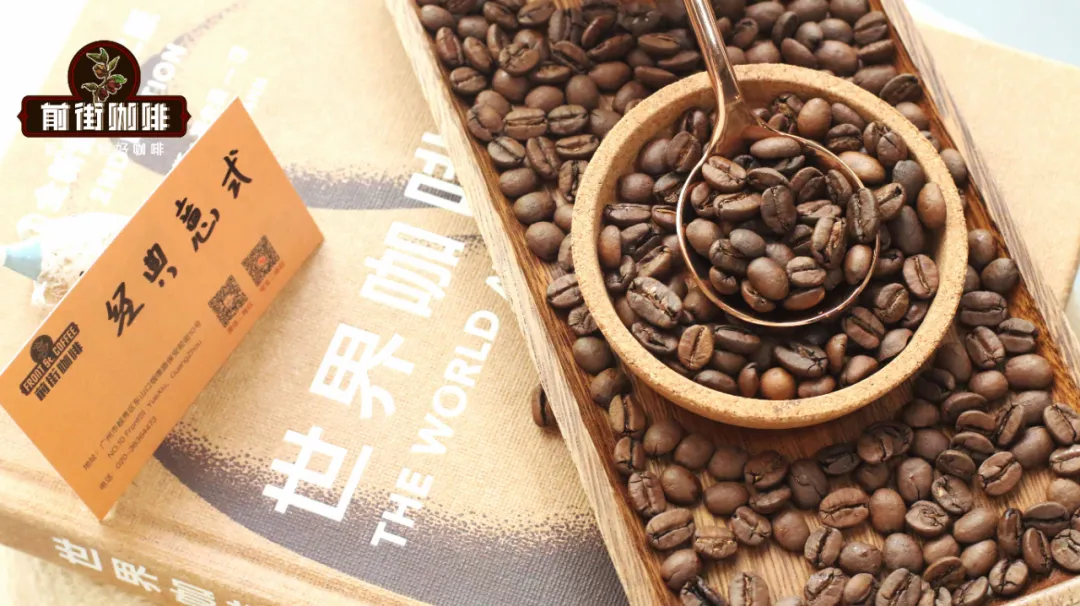
If you prefer a rich, smooth milk coffee with minimal acidity and notes of caramel or chocolate, it’s recommended to start with medium-dark or dark roast espresso blends. These blends typically combine beans from multiple regions to deliver a balanced and mellow flavor, making them especially beginner-friendly.Recommended roast level: medium-dark to dark roast, which brings out aromas of dark chocolate, nuts, cream, and cookie-like notes, with a dense body and stable layered flavors.
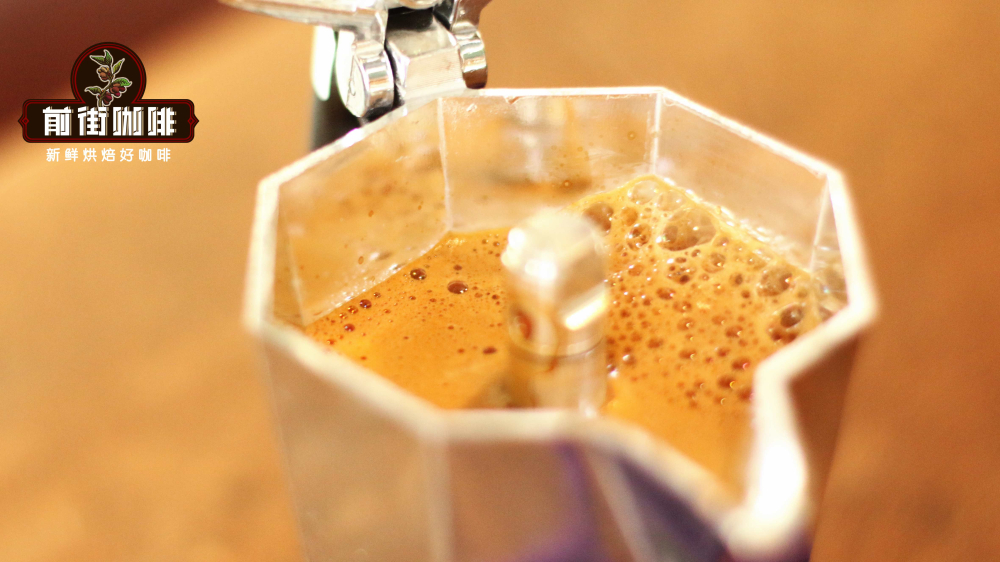
If you prefer a coffee with clearer flavors and more distinct sweet and acidic notes, yet don’t want an overly heavy or bitter taste, then choosing a medium-roast espresso blend is a great option. These beans usually offer a balance of fruity and roasted aromas, achieving a sweet-acid harmony and smooth mouthfeel. For example, some medium blends featuring strawberry, berry, and floral notes can still retain soft fruity tones and layered complexity even after adding milk, resulting in a more refined and rounded cup.
Beyond traditional espresso blends, readers looking to explore more unique and distinctive flavors might consider trying a light-roast single-origin coffee bean (SOE). Light-to-medium roasted single-origin beans often exhibit bright notes of berries, citrus, or tropical fruits, with vibrant yet non-aggressive acidity. For instance, certain sun-dried varieties like Hua Kui, when brewed with a moka pot, can still showcase a creamy, dense texture and subtle berry aftertaste even when milk is added, offering a more distinctive flavor profile ideal for coffee enthusiasts eager to experiment.
It’s worth noting that for moka pot espresso to perfectly integrate with milk, it must have sufficient roasted richness and body to maintain its core flavor even after adding milk.The recommended moka coffee to milk ratio is 1:4—that is, about 180 milliliters of milk for every 45 milliliters of espresso. This proportion helps maintain the balance of the milk coffee without the milk flavor completely overpowering the coffee.
In addition, operational details of the moka pot can also affect the final extraction quality. It’s recommended to use a medium-fine grind, fill the coffee chamber with moderate firmness but avoid over-tamping, and ensure the filter basket holes are unobstructed to prevent channeling and uneven extraction. The extraction time should generally be controlled between 25 to 30 seconds—longer times risk over-extraction, while shorter ones may lead to underdeveloped flavors.
In summary, whether you prefer a bold and steady dark roast blend, a sweet-acid balanced medium roast, or want to try a distinctive light roast single origin, as long as you get the roast level, grind size, and extraction ratio right, you can brew a milk coffee that pairs perfectly with milk using a moka pot. Through continuous experimentation and adjustments, you can also easily recreate your own signature latte at home.
The above content is compiled by CoffeeHunters, a coffee news website.


