







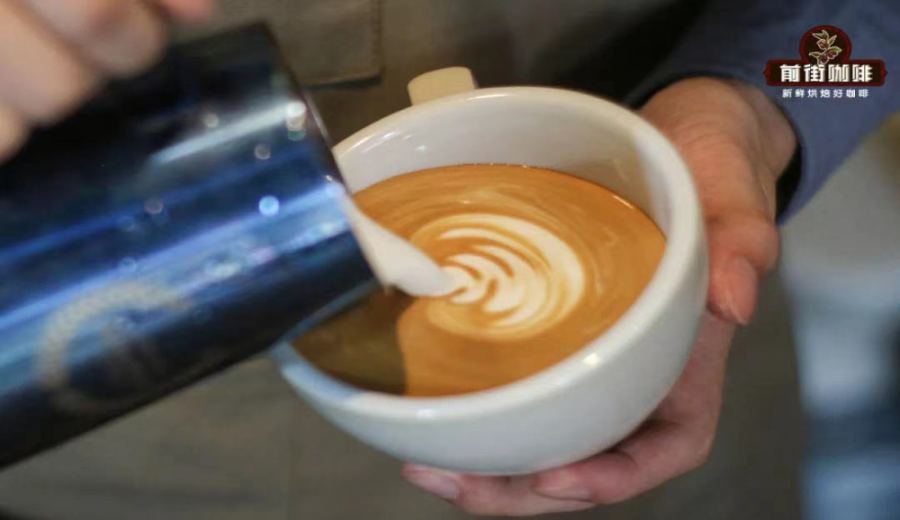
Introduction:For many, the journey into the world of coffee begins with the beautifully crafted latte art on a cup of latte. But how did coffee art come into being? And how has it evolved into the latte art we know today? This article will take you through the historical background, technical evolution, and the crucial role of crema in latte art, offering an easy-to-understand look at the story behind this art form. We’ll also recommend a professional blend ideal for latte art to help you brew a milk coffee that’s both visually appealing and full of flavor.
For many coffee enthusiasts, their first step into the coffee world often starts with a cup of latte featuring intricate designs. But have you ever wondered how those delicate latte art patterns are created? This article will take you on a journey through time, tracing the origins and evolution of latte art—from the birth of early Italian espresso machines, to the accidental creation of a heart-shaped design by a barista in Seattle, USA, and how latte art techniques gradually developed and gained global popularity. Additionally, we’ll explore the importance of milk foam and crema in latte art, and recommend a professional coffee blend suitable for latte art to help you easily create milk coffee that is both beautifully presented and rich in taste.
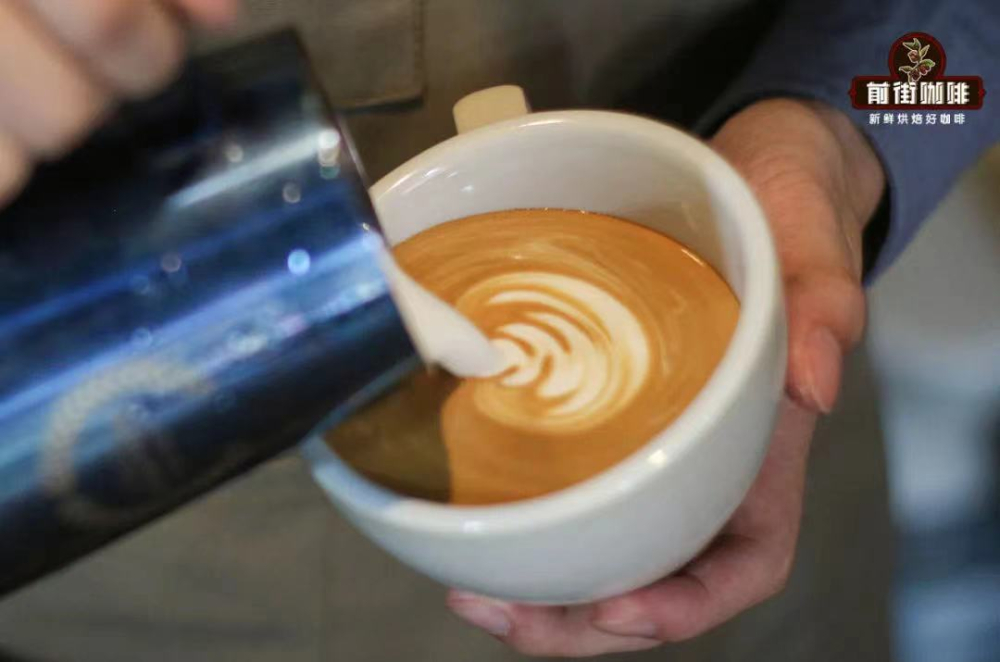
Many people fall in love with coffee because of a beautiful latte art. The sense of accomplishment when you pour a perfect heart or leaf pattern yourself is truly indescribable. But do you know how the art of "coffee latte art"—also known as "latte art"—first came about? This article will uncover the history behind coffee latte art, or what is commonly called "latte art."
So-called latte art actually originates from pouring steamed hot milk into espresso, using the surface tension and fluidity of the milk foam to “draw” various patterns on the surface of the coffee. In English, it is called "Latte Art," where "Latte" comes from the Italian word for "milk." Initially, latte art patterns were relatively simple, often featuring basic shapes such as hearts and leaves. As the specialty coffee culture grew, baristas around the world began to invest in creativity, not only making the patterns more refined but also developing advanced techniques such as etching, which uses milk foam and additional ingredients to add layers and creativity to the visual presentation of the coffee.
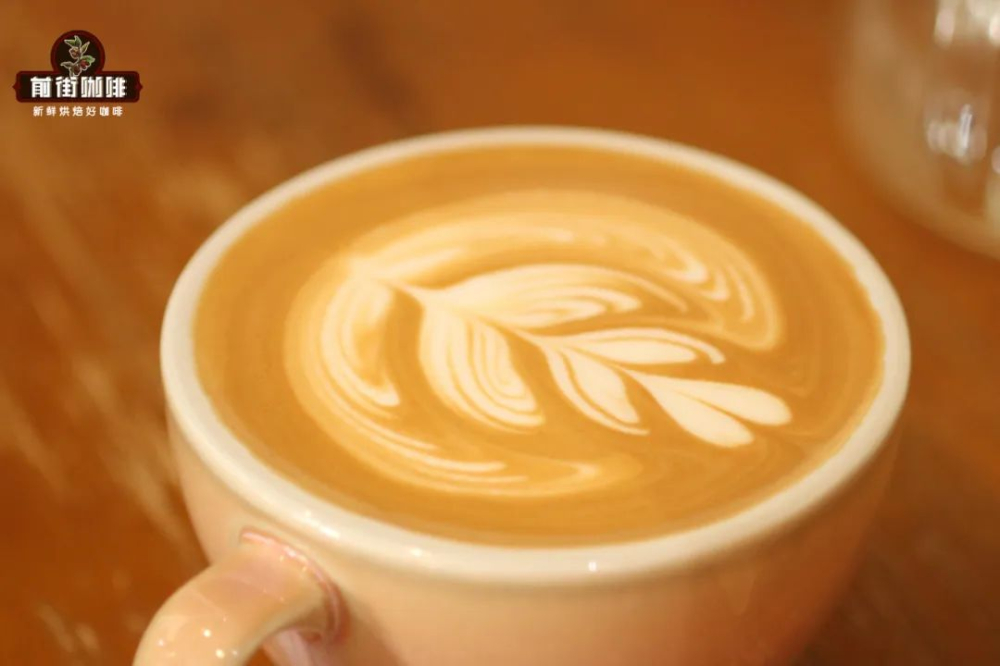
In the early days, baristas focused primarily on the presentation of the patterns. However, as the industry progressed and consumer expectations for quality increased, today’s latte art emphasizes not only visual beauty but also the delicate texture of the milk and the technique of integrating it with the espresso, further enhancing the overall color, aroma, and flavor of the beverage to create a truly memorable coffee experience.
The reason why milk-based coffees like lattes and flat whites have become so popular on social media and among friends is largely due to the enhancement brought by latte art. Who doesn’t love a cup of coffee that is not only rich and aromatic but also boasts a high aesthetic value with beautiful latte art?
To perform coffee latte art, the right equipment and materials are essential. First, you need an espresso machine with pressure extraction capabilities, and a steam wand capable of producing fine milk foam. Looking back at history, as early as the beginning of the 20th century, Italian manufacturer Luigi Bezzera from Milan invented the first semi-automatic steam-pressure coffee machine to improve coffee extraction efficiency and obtained a patent in 1901. Subsequently, the Italian company La Pavoni acquired the patent and further improved it in 1906 by adding a steam wand feature, allowing baristas to more flexibly control the texture of the milk, laying the technical foundation for the future birth of latte art.
Although the practice of steaming milk with steam had already existed in Italy since the late 19th century, the true art of latte art gradually took shape several decades later and became widely known thanks to an American barista. In the 1980s, Seattle-based barista David Schomer accidentally created a heart-shaped pattern on the coffee surface with the final layer of white milk foam while making an espresso, which became the catalyst for his exploration of latte art techniques. He delved into the craft of making Italian espresso and opened the Espresso Vivace coffee shop, focusing on improving latte art skills and training numerous baristas capable of creating exquisite patterns. By the late 1980s, this style of coffee featuring decorative patterns began to gain popularity in the United States and quickly spread worldwide.
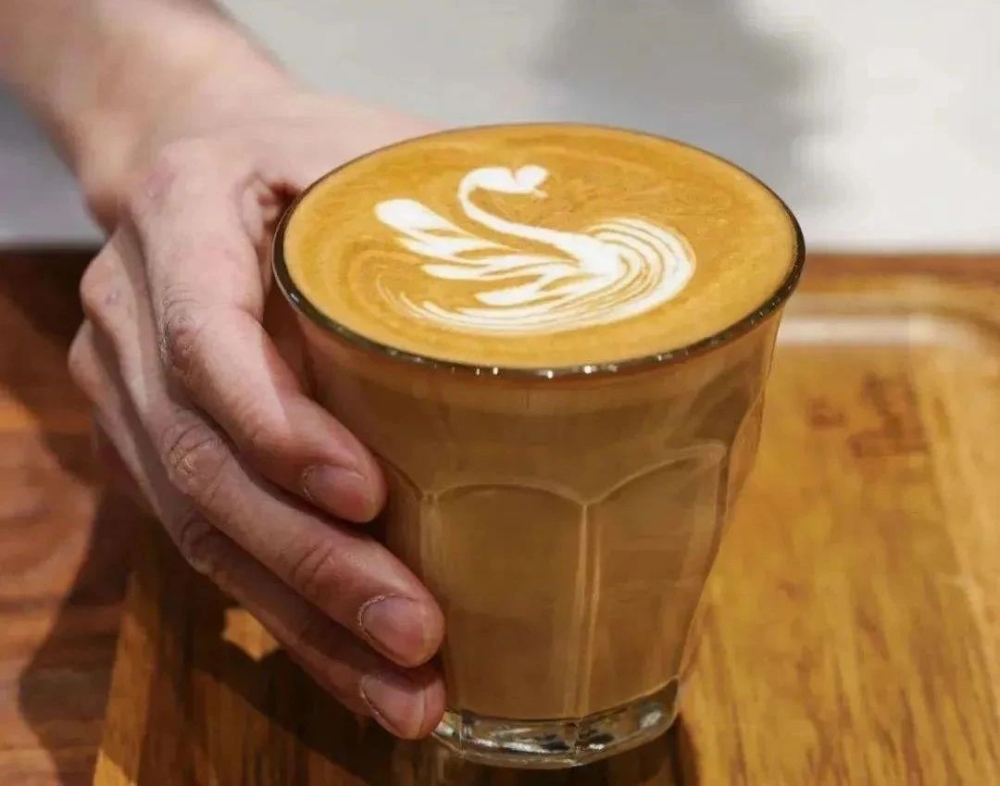
In addition to equipment, to pour beautiful patterns, the quality and quantity of coffee crema are also indispensable keys. It is recommended to choose a blend with rich crema and pronounced aroma, which can help improve the success rate and aesthetics of your latte art. A blend formula consisting of Brazilian and Colombian Arabica beans, with a small amount of Robusta beans (about 10%), is a very practical choice. Such blends typically feature a thick layer of crema, a rich mouthfeel, and a caramel-like sweetness, along with aromas of nuts, cocoa, and dark chocolate. The overall flavor is balanced and layered, making it suitable for crafting various types of milk coffee.
Such blends not only provide sufficient crema to support latte art but also impart a deeper flavor profile to the coffee. Since the proportion of Robusta is not high, it does not overly affect the overall flavor but effectively increases the richness and golden hue of the crema, making the latte art patterns more three-dimensional and prominent. Additionally, the amount of crema is also one of the important indicators for judging the freshness of coffee beans. Freshly roasted coffee beans usually produce richer and more persistent coffee crema, which helps the milk foam and espresso integrate better, resulting in clearer and more stable poured patterns.
In summary, a successful latte art latte requires not just skill, but also the perfect combination of equipment, beans, and milk. From understanding the history, mastering the characteristics of crema, to choosing the right coffee blend, every step influences the final product. We hope this introduction will help you progress more smoothly on your journey of exploring latte art and allow you to enjoy even more of the pleasure that coffee brings.
The above content is compiled by CoffeeHunters, a coffee news website.


