








Introduction:On hot summer days, refreshing cold brew coffee has become the go-to choice for many coffee enthusiasts. This article provides a detailed introduction to the brewing principles, steps, and key parameters of cold brew coffee, and analyzes the differences between Starbucks Nitro Cold Brew and regular cold brew. Additionally, it recommends five single-origin beans suitable for making cold brew, helping readers select the right beans based on flavor preferences and create their own unique iced coffee experience.
With the arrival of summer, many people begin searching for beverages that are both thirst-quenching and energizing. Thanks to its refreshing taste and simple brewing process, cold brew coffee has become a top choice for many. Not only can it be easily made at home, but it can also be adjusted in strength according to personal taste, making it an excellent summer coffee option. But what exactly is cold brew coffee? How does it differ from regular hot-brewed coffee?
Cold brew coffee, known as Cold Brew Coffee in English, is made by steeping ground coffee in cold water for at least 8 hours. For a stronger flavor, it can even be steeped for 24 to 48 hours. This low-temperature extraction method effectively reduces the release of bitter substances while fully extracting the acidic and sweet components of the coffee, resulting in a smoother, cleaner flavor profile.

The brewing principle of cold brew lies in the fact that, in a low-temperature environment, the acidic and sweet compounds in coffee are released more slowly and evenly. Compared to high-temperature rapid brewing methods (such as pour over), this greatly reduces the risk of over-extraction, avoiding pronounced burnt bitterness and astringency. As a result, cold brew coffee typically has a gentler mouthfeel, fewer impurities, and an overall clearer flavor.
When it comes to cold brew, many people think of Starbucks Nitro Cold Brew. The term "nitro" refers to the injection of nitrogen into the cold brew coffee, creating a fine layer of bubbles that gives the coffee a creamy, stout-like mouthfeel. This preparation method primarily changes the texture and flavor presentation of the drink, and whether you enjoy it or not depends on personal preference.


Making cold brew coffee is actually very simple—you just need to master a few key parameters. It’s recommended to start with 50 grams of coffee grounds, mixed with about 600 grams of ice water (400 ml of room temperature water + 200 grams of ice), achieving a coffee-to-water ratio of approximately 1:12. The grind size can be slightly finer than that used for pour over—about 85% passing through a #20 sieve—to facilitate sufficient extraction. After mixing the coffee grounds with the ice water, it’s recommended to stir well and let it steep in the refrigerator for 12 to 24 hours.
After steeping, use filter paper or a filter cloth to remove the coffee grounds. The resulting coffee liquid is recommended to be refrigerated and left to settle for about 4 more hours to allow the flavors to stabilize. It’s important to note that longer steeping time doesn’t always mean better results—overly long extraction may lead to excessive fermentation notes and overly complex flavors. Adjust according to your personal taste. If you prefer a stronger or more fermented flavor profile, you can extend the extraction time appropriately and adjust the concentration with ice cubes.


Not all coffee beans are suitable for cold brew. It’s recommended to choose medium to light roasted beans that can showcase the clean and refreshing characteristics unique to cold brew. Below are several single-origin coffee beans recommended for cold brew along with their features:
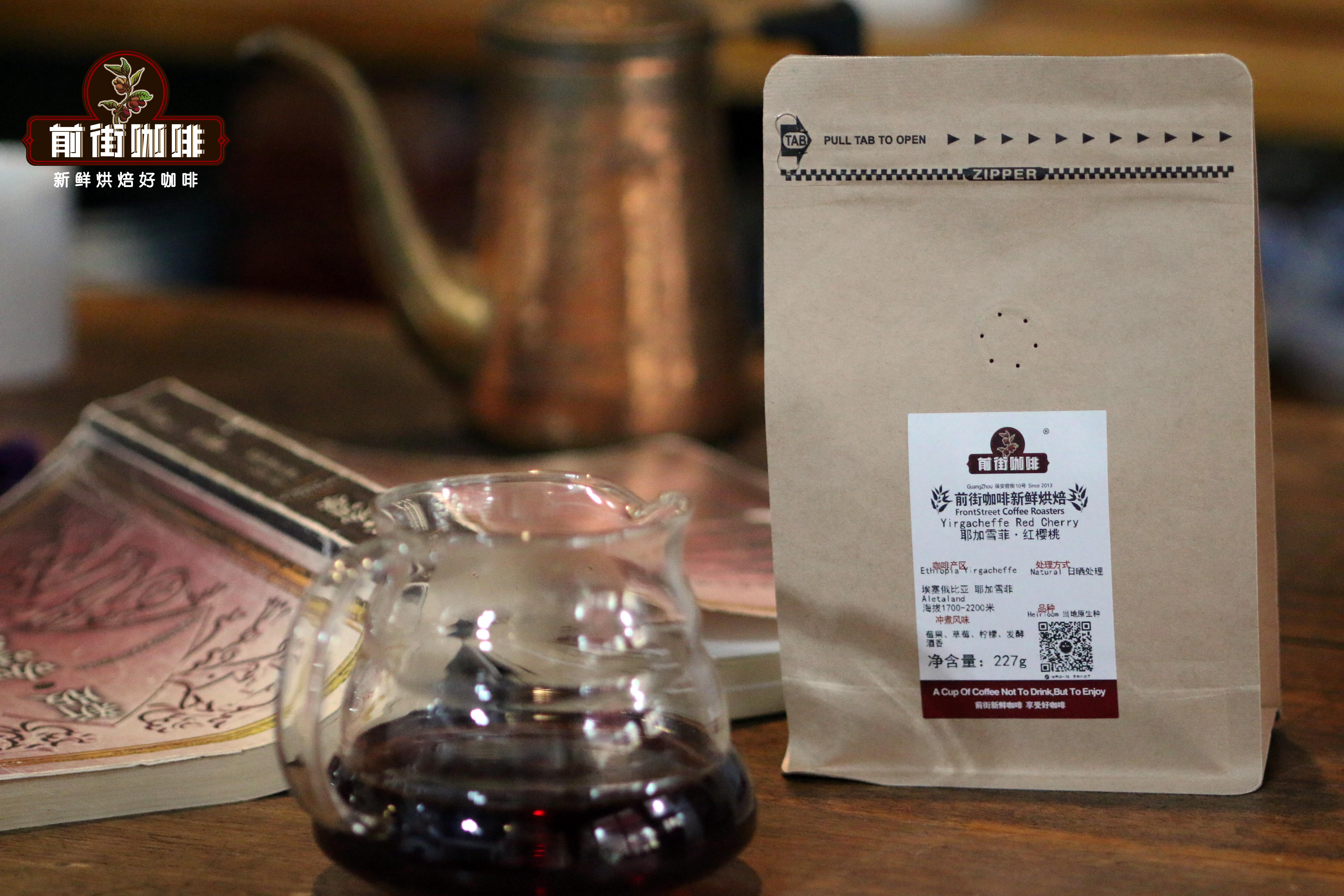
1. Ethiopia Yirgacheffe Red Cherry Natural: Produced at the Aletaland Estate at an altitude of 1700-2200 meters, using the natural processing method. It has rich notes of berries, honey, and floral tones, and when brewed cold, it exhibits clear fruitiness and layered complexity.
2. Kenya Assali: Produced in the Thika region, processed by the Asali factory using the K72 washed method, at an altitude of 1550-1750 meters, with the SL28 and SL34 varieties. When brewed cold, it presents bright acidity and a rich mouthfeel with notes of cherry tomato, honey, and black plum.


3. Panama Geisha Blend (花蝴蝶): A blend of 70% Geisha and 30% Caturra and Catuai, grown at 1600 meters and processed using the washed method. When brewed cold, it showcases citrus, floral, and oolong tea-like freshness, ideal for those who enjoy crisp fruity notes.
4. Costa Rica Mozart: Produced at the Canet Estate in the Tarrazú region, at an altitude of 1980 meters, using the raisin honey processing method. When brewed cold, it offers the sweetness of raisins and the fragrance of white flowers, with a smooth mouthfeel and subtle fermented notes.
5. Honduras Sherry: Produced at the Mocha Estate in the Marcala region, at an altitude of 1500-1700 meters, with varieties including Caturra, Catuai, and Pacas. After low-temperature fermentation in whiskey barrels, it presents whiskey aromas and a rich, sweet flavor akin to vanilla cream when brewed cold.




The above content is compiled by CoffeeHunters, a coffee news website.

