








Introduction:To brew a Rwandan pour over coffee at home with bright fruity acidity and a tea-like finish, the key lies in mastering the correct coffee-to-water ratio and pouring technique. Based on actual brewing experience, this article provides an in-depth analysis of the seven core elements of pour over coffee, including coffee bean selection, grind size, water temperature control, filter choice, and the much-discussed golden ratio of 1:15. It also breaks down the step-by-step process of the three-phase pouring method—from the bloom to staged pours—helping you build a stable and easily reproducible brewing system.
Brewing a cup of pour over coffee with clear flavors and layered complexity at home hinges on accurately controlling the coffee-to-water ratio and pouring technique. Using Rwandan washed beans as an example, this article explains the correct English terminology and definition of pour over coffee, along with the seven key factors that influence flavor expression—from bean freshness, grind setting, water temperature, water quality, filter type, to the scientific control of coffee-to-water ratio and extraction time—guiding you step-by-step to develop a systematic brewing mindset.
First, let’s clarify some basic terms: the correct English term for pour over coffee is “Pour over coffee,” not the commonly mistaken “Hand coffee” or “Hand punch.” This brewing method involves using a filter cone and paper filter to hold coffee grounds of an appropriate grind size under atmospheric pressure. By maintaining a steady water flow rhythm and controlling the temperature and volume of hot water appropriately, the water is evenly poured over the coffee grounds to extract flavors.

The key to pour over coffee lies in precisely managing the various variable factors, including coffee bean selection, grind size, water temperature, water quality, filter type, coffee-to-water ratio, and extraction time. These seven elements together determine the final flavor profile and form the foundational framework every pour over enthusiast must understand.
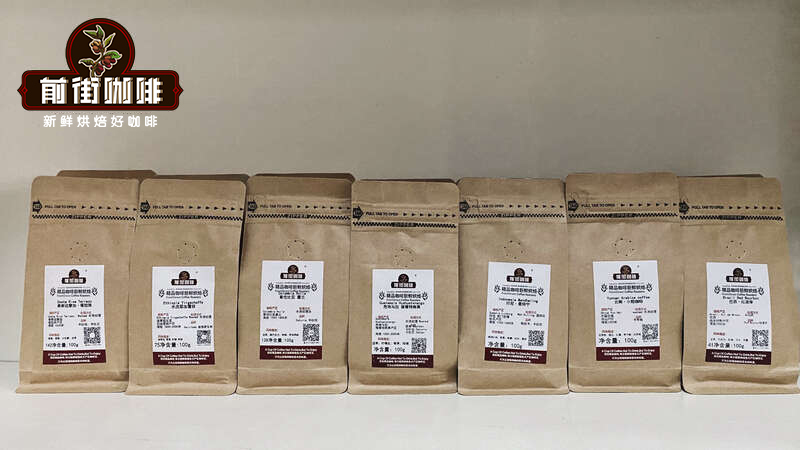
The freshness of coffee beans directly impacts aroma expression. Generally, the optimal flavor window for roasted coffee beans is around 30 days. Beyond this period, as carbon dioxide continues to release, aromatic molecules gradually dissipate, resulting in a thin and dull cup. The Rwandan washed beans used in this demonstration are medium-light roasted, featuring bright acidity with notes of apple, black plum, and citrus, and a tea-like finish—making them well-suited for pour over to highlight their delicate layers.
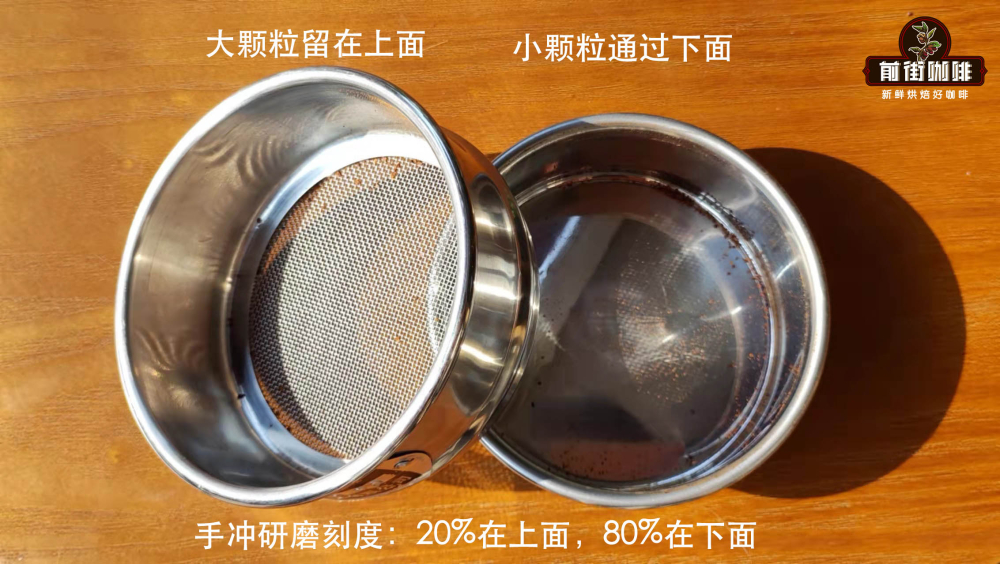
Grind size is a crucial factor influencing extraction efficiency. It’s recommended to use a #20 cupping correction sieve (0.85mm aperture) for testing: take 10 grams of coffee beans, grind them, and sift. If the sifted yield reaches 80% (about 8 grams passing through), it suits medium-light roasted beans; if the yield is between 70%-75% (7–7.5 grams), it fits medium-dark roasted needs. If the yield is too high, adjust to a coarser grind; if too low, go finer.
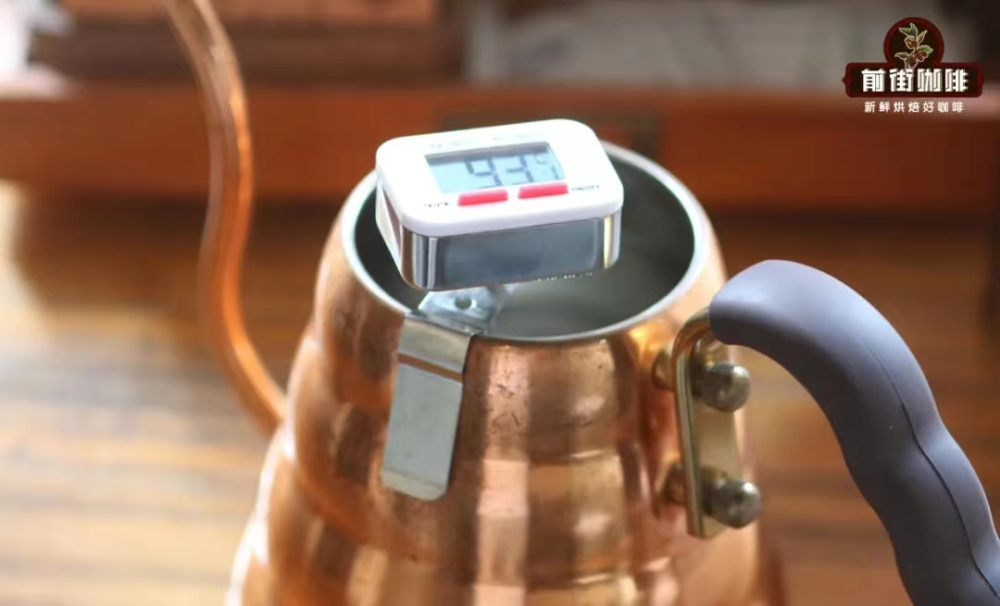
Water temperature should be adjusted according to roast level. For medium-light roasted Rwandan beans, it’s recommended to use water at 90–93°C to fully bring out fruity acidity and floral characteristics; for medium-dark roasted beans, 86–88°C is suitable to avoid over-extraction and unwanted off-flavors.
The impact of water quality on flavor is often overlooked. Minerals in water—such as calcium, magnesium, sodium, and potassium—can alter coffee extraction efficiency. It’s advised to avoid using tap water directly to reduce the risk of unpleasant odors or foreign particles.
For filter choice, beginners may prioritize the V60 size 01. Its wide mouth design combined with unique spiral ribs aids in airflow and filtration efficiency. While it may sacrifice some body, it highlights the coffee’s bright acidity, sweetness, and aroma.
The coffee-to-water ratio is a key parameter determining concentration and flavor intensity. According to the SCA Golden Cup extraction theory,the range of 1:14.5~1:15.5 (approximately 15 grams of coffee to 225–235 milliliters of water)is most likely to achieve the ideal extraction yield (18%–22%) and concentration (1.15%–1.35%). A higher ratio results in lighter flavor, while a lower ratio increases intensity—but over-extraction risks rise.
Extraction time control is equally important. For example, with 15 grams of coffee and a 1:15 ratio, the overall extraction time is recommended to be kept within 2 to 2 minutes and 30 seconds. This allows the early-stage aromas to fully develop while avoiding the release of late-stage impurities.

The grind size of coffee beans directly affects flow rate and extraction efficiency. Too fine a grind can slow the flow, lead to over-extraction, and produce bitterness; too coarse a grind speeds up flow, under-extracts flavor compounds, and results in a thin cup. In practice, adjustments should be made based on bean characteristics and brewing equipment.
Among the variety of pour over techniques, the three-phase pouring method stands out for its stability and clarity of flavor presentation, making it especially suitable for medium-light roasted beans. This method, through staged pouring, clearly distinguishes the flavor characteristics of the early, middle, and late stages, making it an ideal choice for beginners to build their technique.
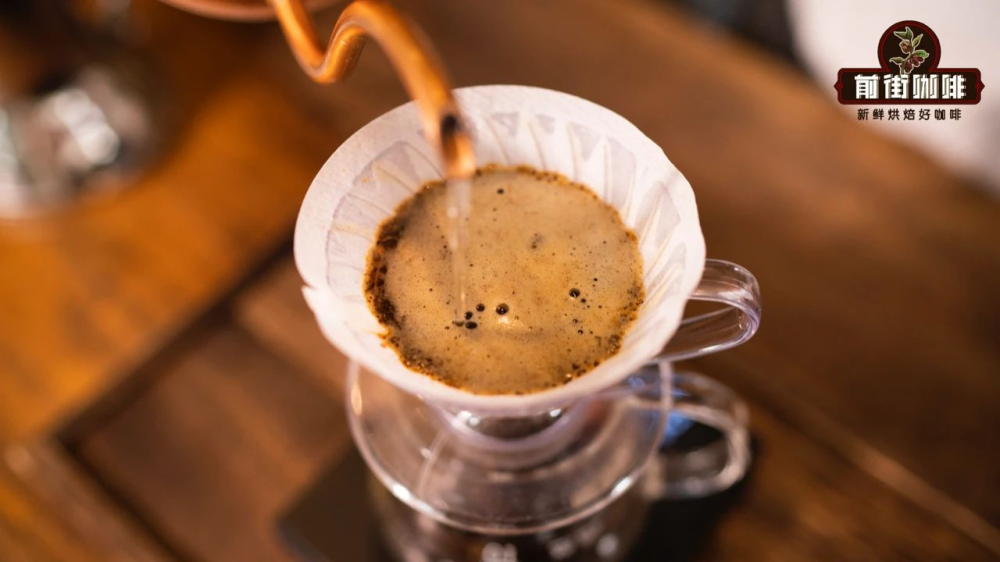
The bloom phase is the first step of the three-phase pour and primarily aims to release carbon dioxide trapped inside the coffee grounds. Freshly roasted beans will visibly bubble during this stage, releasing built-up gases. Proper bloom operation includes: gently leveling the coffee surface, then evenly pouring about twice the weight of the coffee in water (e.g., 30 milliliters for 15 grams of coffee) with a thin stream, maintaining it for around 30 seconds. Be sure to pour gently to avoid disrupting the coffee bed structure, and monitor the dripping speed from the filter—adjust the pour volume if it’s too fast or too slow.

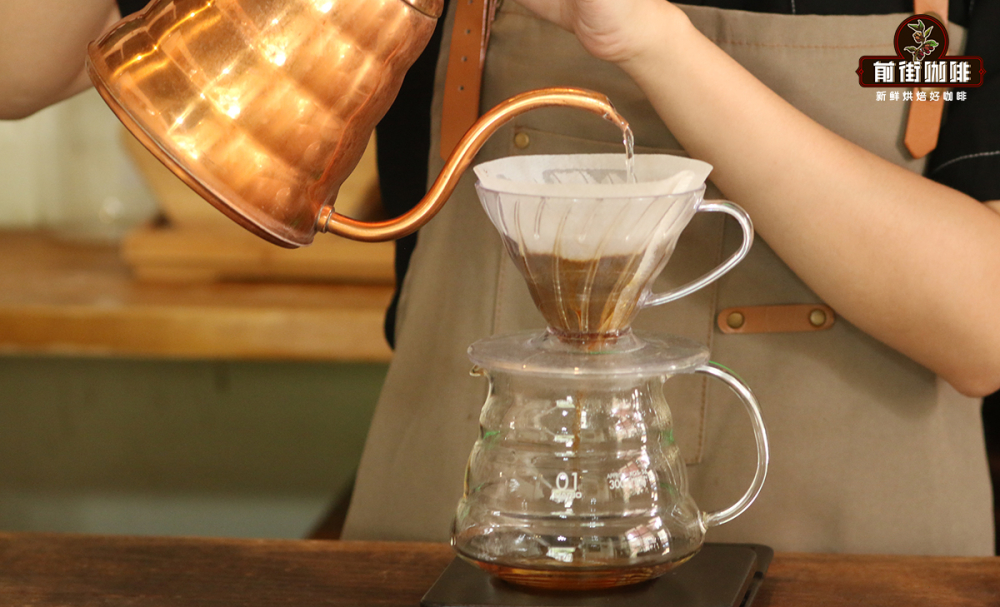
The second pour starts from the center of the filter, pouring a small stream vertically into the bottom of the coffee bed and spiraling within a range about the size of a one-yuan coin (approximately 2–3 cm in diameter), gradually expanding outward. Water volume must be strictly controlled to avoid exceeding the coffee bed height. Stop pouring when the water stream approaches the edge of the filter paper, ensuring even saturation of the coffee grounds.
The third pour begins when the water level drops to about half the height of the filter. Again starting from the center, maintain a steady circular motion. Observe foam distribution and flow rate changes, slightly increasing pour strength to encourage coffee particle agitation and release more soluble flavor compounds. Mind the rhythm of pauses—if stops are too frequent, it may cause uneven late-stage extraction and produce astringent off-flavors.

Maintain a stable water flow throughout the entire pouring process. It’s recommended to use a narrow-spout pour over kettle and practice to gradually build sensitivity to changes in the coffee bed and flow feedback. With the systematic approach of the three-phase pour, even beginners can reliably reproduce the bright acidity and tea-like finish characteristic of Rwandan beans.
The above content is compiled by CoffeeHunters, a coffee news website.


