







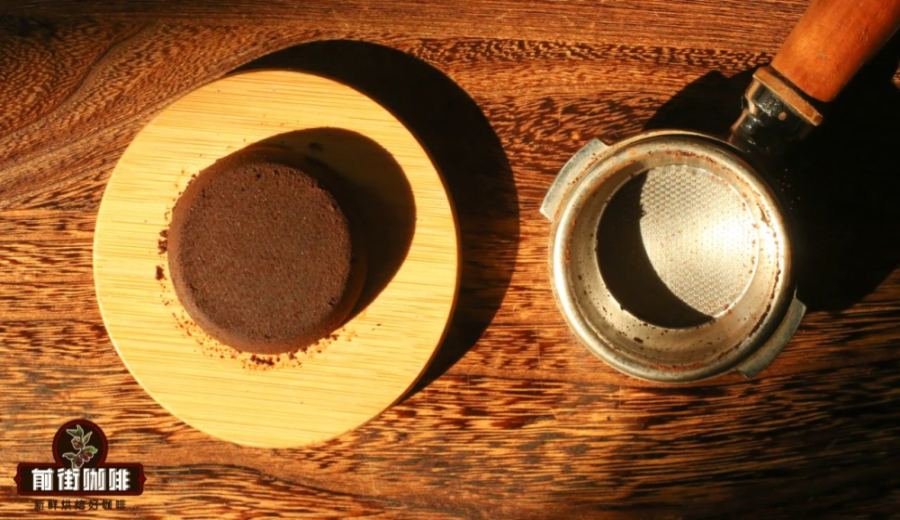
Introduction:Coffee grounds are no longer just common trash bound for the kitchen bin — they’ve been elevated to viral status as all-purpose household hacks. Yet, issues like withered plants, skin allergies, and clogged drains have soon followed, making people wonder: do these online tips really work? This article takes an in-depth look at coffee grounds, particularly those compacted puck-like residues from espresso machines, clarifying proper disposal methods, debunking common myths, and offering safe and practical reuse suggestions so you don’t waste a single gram.
Not long ago, coffee grounds were merely forgotten remnants after brewing. Now, they’ve transformed into a hot topic on social media. From growing flowers and reducing facial puffiness to exfoliating in the shower, and even claims of aiding weight loss, various miraculous uses have gone viral online. Many curious netizens tried these methods, only to encounter dead plants, swollen faces, or even clogged home drains. So, how reliable are these widely circulated applications? And what’s the correct way to dispose of the espresso puck left behind by your machine?
It seems that at some point, coffee grounds — once ignored — suddenly became a sought-after treasure. What was previously dismissed as useless waste is now hailed as a “miracle tool,” with countless creative uses shared across social platforms.
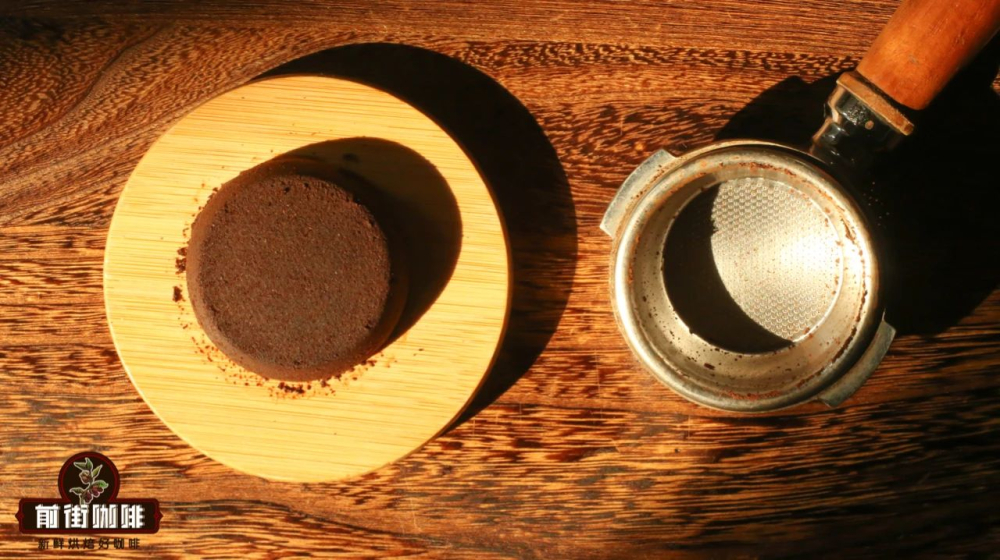
Among the most talked-about applications are using them for gardening, face masks to reduce swelling, body scrubs in the shower, and even claims of supporting weight loss. However, many who have actually tried these methods report disappointing or even counterproductive results. Some complain: “I used coffee grounds for my plants and they died instantly.” “My face swelled up for days after applying coffee grounds.” “My drain got clogged just a week after using coffee grounds in the shower.” These reactions make one wonder: why do methods that are so highly praised online fail so completely in real life?
The answer is actually quite simple — many online tutorials are misleading, especially those involving face masks and showers. Claims that caffeine can penetrate the skin to reduce swelling or stimulate fat burning for weight loss are entirely unscientific and may even irritate or infect the skin.
So why have coffee grounds suddenly gained so much attention? This may all trace back to Starbucks. Years ago, in an effort to reduce environmental impact, Starbucks began a coffee grounds recycling program. It’s estimated that each Starbucks store produces about 10 kilograms of coffee grounds per day. If thrown away directly, it not only wastes resources but also increases pressure on waste management.
As a result, Starbucks launched a free coffee grounds giveaway service at its global outlets. The company suggests customers ferment the grounds appropriately and mix them with soil to grow nitrogen-loving plants, such as most common seasonal greenery. In addition, the official guide recommends using coffee grounds to eliminate odors, clean dishes, even place them in certain spots to deter cats, and has mentioned placing them around the eyes to promote blood circulation.

It is through these promotions that the public gradually became aware of the potential value of coffee grounds. With the widespread habit of coffee drinking, more environmental researchers and innovators continue to explore other possible uses for coffee grounds, including converting them into biofuels, creating textiles and shoe materials, or even processing them into everyday items like cups and furniture. These innovative applications all send a clear message: coffee grounds should not be discarded lightly, and their reuse potential deserves a second look.
But do all those “miracle uses” circulating online really work? Let’s take a closer look at the most talked-about — and possibly most misunderstood — applications.
First up: “coffee grounds for gardening.” After learning that coffee grounds can act as fertilizer, many eagerly sprinkle freshly collected grounds directly onto the soil surface of their potted plants, hoping for rapid growth. But in reality, if not properly fermented, using coffee grounds directly not only fails to deliver nutrients, but can also cause root rot due to the acidic substances and mold released during decomposition. This may even attract swarms of gnats, severely harming plant health.
The correct method is to collect the coffee grounds and allow them to fully ferment using specialized composting microbes. Once they’ve turned into stable organic matter, you can then mix a small amount into the soil of acid-loving plants — such as most common foliage plants — to safely supplement nitrogen and promote growth.
As for claims that coffee grounds can “reduce facial puffiness,” “eliminate dark circles,” or even “help with weight loss in the shower,” those are simply baseless. While caffeine does have properties that promote blood circulation and diuresis, these effects only occur when consumed and metabolized by the body. Applying coffee grounds directly to the skin not only fails to achieve the desired results, but the residual oils and fine particles in the grounds can clog pores, leading to breakouts or allergic reactions. Moreover, the hygiene condition of these coffee grounds — whether stored at shops or at home — is difficult to guarantee, making direct skin contact highly risky.
Additionally, some people like to place coffee grounds in refrigerators, shoe cabinets, or pet areas to absorb odors. This approach is fundamentally feasible because coffee grounds, with their porous structure similar to activated carbon, can trap odor molecules in the air. But the key is to ensure the coffee grounds are completely dry before use. If the grounds are still damp — especially in enclosed, poorly ventilated spaces like shoe cabinets — they can easily become moldy and rotten, causing secondary contamination. If you can’t dry them out beforehand, it’s recommended to replace them regularly to maintain deodorizing effectiveness.

In summary, coffee grounds do offer diverse reuse potential, but only if the right methods and scientific principles are applied. For those handling espresso puck residue from a particular brand’s blend, it’s best to first consider drying and storing them for use as a deodorizer, or fermenting them properly before cautiously applying them to suitable plants. Only then can you truly harness their value and avoid any adverse effects from misuse.
The above content is compiled by CoffeeHunters, a coffee news website.


