







Introduction:Understand the unique flavor sources and extraction principles of espresso, master the key points in selecting medium to dark roasted beans, and learn the complete extraction process from portafilter cleaning to yield observation. This article provides an in-depth analysis of the three-layer structure of espresso, especially the formation mechanism of the crema, and offers practical advice on bean selection along with six-step operational details to help you consistently extract a balanced and rich espresso.
Espresso is a classic concentrated coffee beverage invented in Italy, characterized by high-pressure rapid extraction, typically with a single serving volume of about 30 milliliters. The most distinctive feature of this type of coffee lies in its clearly layered structure: the top is a fine, golden crema layer, the middle consists of a rich body, and the bottom contains an intense core flavor. This three-layer structure not only affects visual perception but also directly determines the overall taste experience of the beverage.
The reason espresso can be a technical hurdle for cafés lies in its stringent extraction conditions. Under approximately 9 bar of high pressure, extremely finely ground coffee powder needs to be extracted within 25–30 seconds. These extreme conditions create the unique crema layer and concentrated flavors. To understand the standards of a qualified espresso, it’s essential first to break down its core structural characteristics and formation principles.

The formation of the crema layer is the result of a combination of physicochemical reactions. When high-pressure water passes through an extremely finely ground coffee puck, the carbon dioxide released by the coffee grounds dissolves into the coffee liquid under high pressure, while the natural oils inside the coffee are also forced out. As the pressure is released, these gases and oils form a stable emulsion layer, creating the amber-colored crema cap we see. This crema, about 1–2 millimeters thick, not only affects appearance but also helps delay flavor dissipation and enhances taste complexity.
When it comes to coffee bean selection, there is an essential difference between espresso and pour over coffee. Pour over coffee can adapt to various roast levels by adjusting water temperature and brew ratio, but espresso has clear preferences regarding roast degree. While light roast beans can preserve distinct fruit acidity and floral notes, their acidity is too prominent during extraction, and they lack sufficient oil content. When used for milk-based coffee, they often end up with just sharp acidity. In contrast,medium to dark roast beans (recommended roast level between City+ and Full City)can simultaneously present rich caramel aromas and moderate fruit acidity, forming a more balanced flavor profile.
The freshness of coffee beans has a decisive impact on espresso quality.The optimal usage period is within 10–14 days after roasting, as beans older than two months not only suffer severe aroma loss but also struggle to form stable crema. During storage, care should be taken to avoid light and keep the beans sealed. It is recommended to use single-way valve packaging and store them in a cool environment. If you notice that the ground coffee has weak aroma or exhibits rancid odors, it indicates that the beans have passed their prime.

For different flavor preferences, you can choose specialty blends: deep roast blends (such as combinations of Brazilian, Indonesian, and Vietnamese beans) can enhance caramel and chocolate notes, making them suitable for milk-based coffee; medium roast blends (such as mixtures of Ethiopian, Colombian, and Costa Rican beans) highlight red berry, caramel, and nut aromas, suitable for both cold brew and single-origin enjoyment. Regardless of the blend chosen, ensure the beans are freshly roasted and that the ground coffee emits a fresh, vibrant aroma.
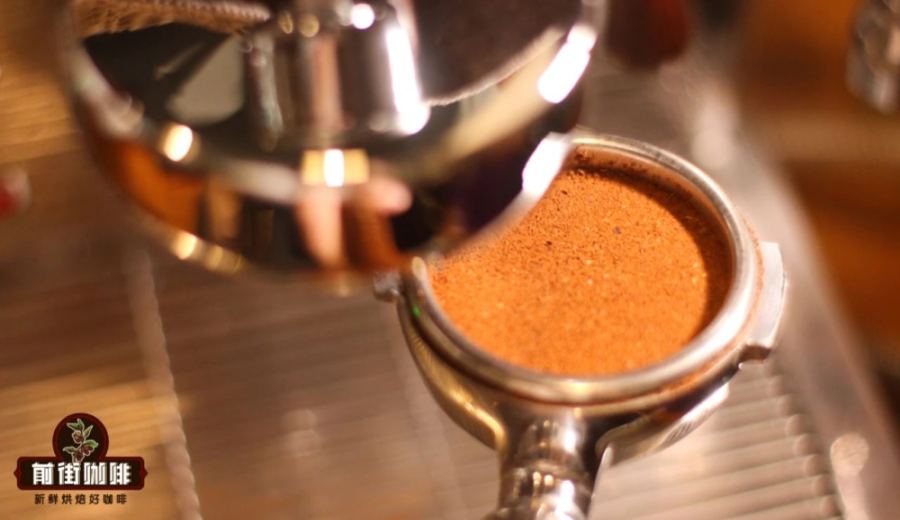
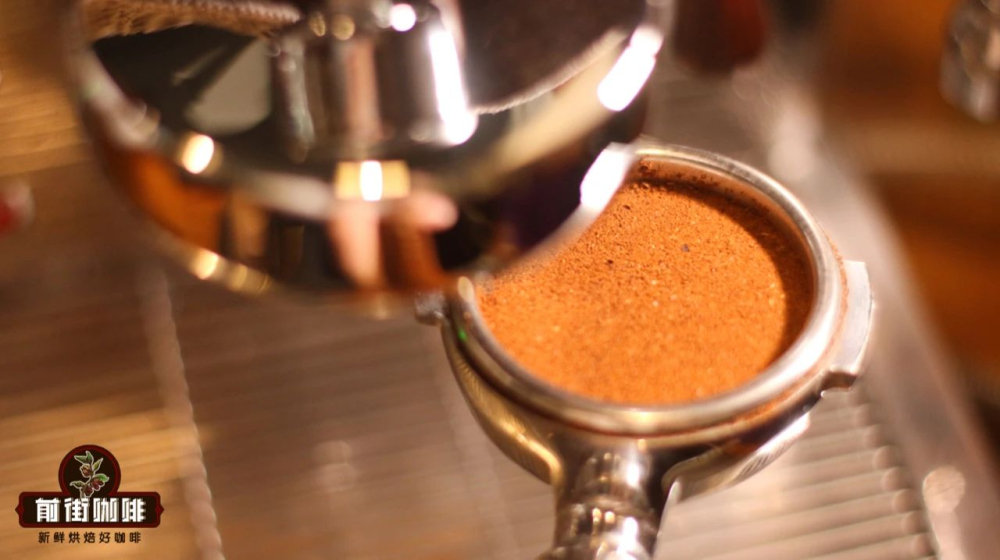
The standard espresso extraction includes six key steps, each of which affects the final product quality. The first step is portafilter cleaning—use a dry, soft cloth to thoroughly remove any residual oils and coffee grounds to avoid affecting the density and evenness of the fresh coffee puck. Next is the precise weighing of coffee grounds; it is recommended to use 7–9 grams of coffee for a single shot and 14–18 grams for a double shot, ensuring the dosage remains consistent each time.
The distribution step requires special attention to evenness—you can use a specialized distributor or gently tap with your fingertips to ensure the coffee grounds lie flat in the portafilter. The key to the tamping step istamping vertically with a pressure controlled at 30–40 pounds (approximately 13–18 kilograms); too light will cause channeling, while too heavy will hinder water flow. When attaching the portafilter, avoid bumping the machine to prevent cracks in the coffee puck.
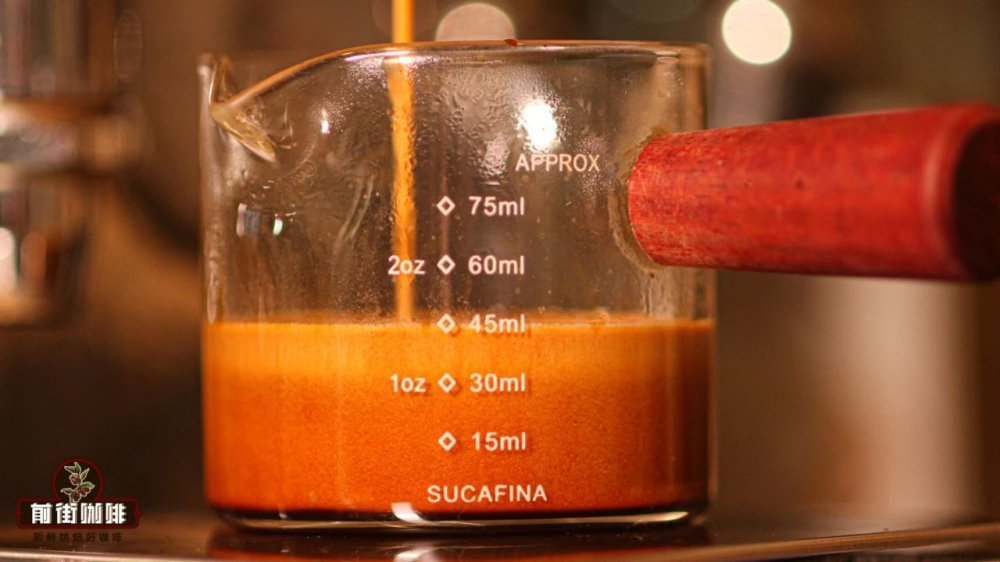
During actual extraction, it’s important to observe three indicators simultaneously: yield (recommended 25–30 milliliters for a single shot), extraction time (25–30 seconds), and color changes. Ideal crema should exhibit a hazelnut hue and persist for more than two minutes. After extraction, promptly clean the coffee grounds and rinse the portafilter to prevent residual oils from oxidizing and affecting subsequent extraction quality.
Maintaining equipment stability is equally important. It is recommended to regularly perform pressure calibration (ensuring extraction pressure remains at 9±0.5 bar) and maintain the grinder burrs, adjusting grind size according to coffee bean freshness. When environmental humidity and temperature fluctuate, make timely micro-adjustments to grind fineness and tamping pressure—these details will significantly influence the overall balance of the final flavor.
The above content is compiled by CoffeeHunters, a coffee news website.


