







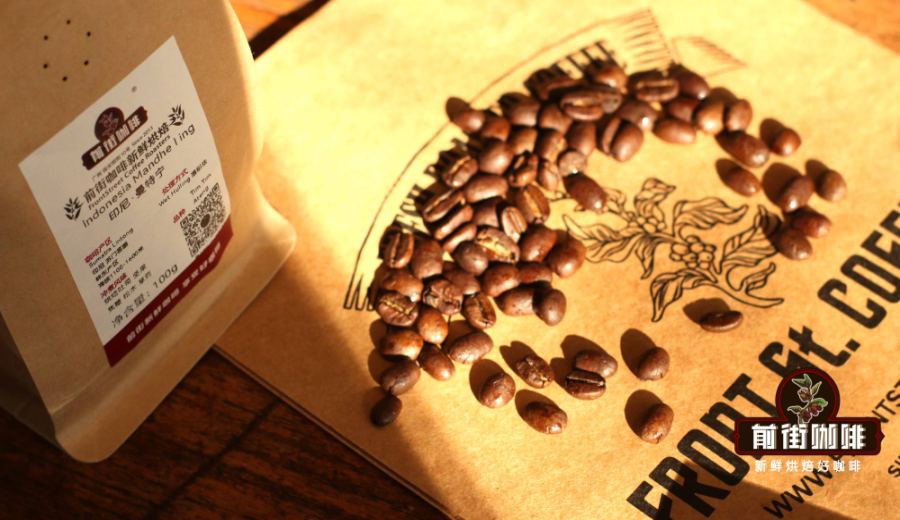
Introduction:Want to understand how Mandheling coffee with spicy characteristics showcases its unique flavors from roasting to brewing? This article delves into the origin features of Sumatran Mandheling, the impact of the wet-hulled processing method on its flavor profile, explores its performance under medium-dark roasts, and its application in both pour over and espresso. Whether you’re a beginner or a coffee enthusiast, you’ll find suitable extraction methods and blending suggestions.
Among many coffee varieties, beans with distinct spicy notes are rare, and Mandheling from Sumatra, Indonesia is a classic representative. Thanks to the region’s unique high-altitude environment and humid climate, along with the traditional wet-hulling processing technique, this coffee develops a complex flavor profile interwoven with herbal, pine, and clove notes, making it highly favored by coffee lovers worldwide.
A significant part of Mandheling’s unique aroma comes from Sumatra’s wet-hulling process. This method removes the outer layer of mucilage and parchment during the dehydration stage, allowing the beans to more easily develop a rich and low-acid profile. Compared to traditional washed or natural processes, the wet-hulled method gives Mandheling a fuller body and woody character, which is one of the key factors distinguishing it from coffees of other regions.
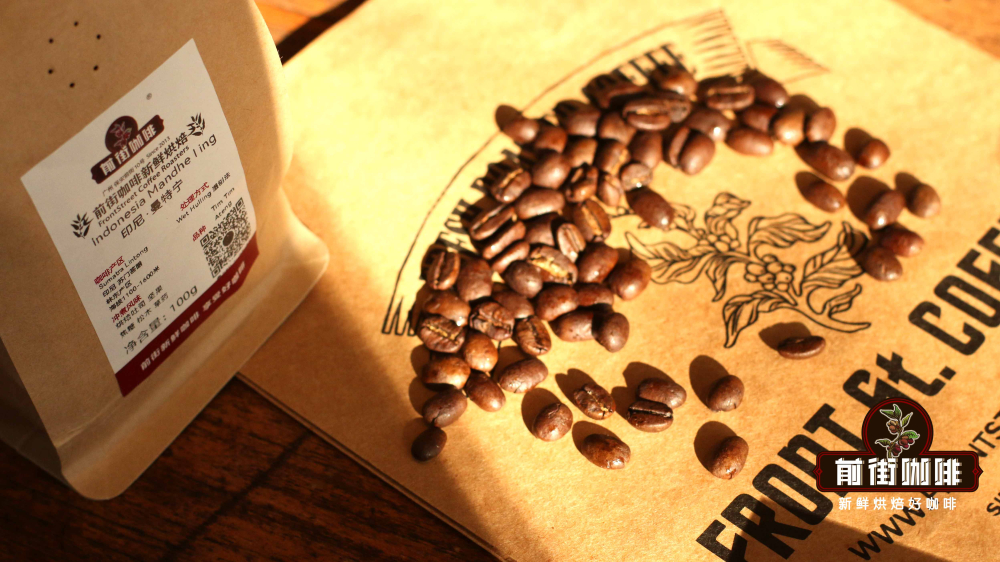
When Mandheling is roasted to a medium-dark level, its flavor characteristics transform further. At this stage, caramel sweetness gradually emerges and blends with dark chocolate, roasted hazelnuts, and subtle maple notes, creating a rich and sweet aromatic layer. Meanwhile, the already naturally low acidity is further suppressed, resulting in a rounder and smoother mouthfeel — perfect for those who prefer bold flavors. It can showcase its captivating qualities whether brewed via pour over, moka pot, or even standard home coffee machines.
For pour over enthusiasts, it is recommended to use a medium-fine grind, with water temperature controlled between 90-93°C. A step brewing method, such as a 2-minute bloom followed by three pour phases, can better highlight Mandheling’s spicy and nutty characteristics. Be mindful of maintaining a stable flow rate to avoid over-extraction, which can lead to bitterness.
Mandheling’s outstanding performance isn’t limited to single origins — it also holds a place in espresso blends. Many baristas skillfully pair Brazilian beans with Mandheling, using the creamy and nutty base of Brazilian beans to balance Mandheling’s herbal and sandalwood notes, resulting in a layered yet well-balanced flavor. In addition, adding a small amount of Robusta beans to the blend can enhance the richness in crema and body, giving the espresso a fuller mouthfeel — making it a popular choice for many cafés and home users.
When selecting Mandheling coffee beans, pay attention to the roast date and storage method. Freshly roasted beans typically taste best within one to two weeks. It’s recommended to store them in a dark, low-oxygen, and dry environment to maintain flavor stability. For long-term storage, consider using aluminum foil packaging with a one-way degassing valve to slow down flavor loss.
In summary, Mandheling is not only a representative of spicy-flavored coffee, but also excels in various applications due to its adaptability. From single origins to blends, mastering the right roast level and brewing parameters allows you to enjoy the unique charm of Sumatran coffee.
The above content is compiled by CoffeeHunters, a coffee news website.


