







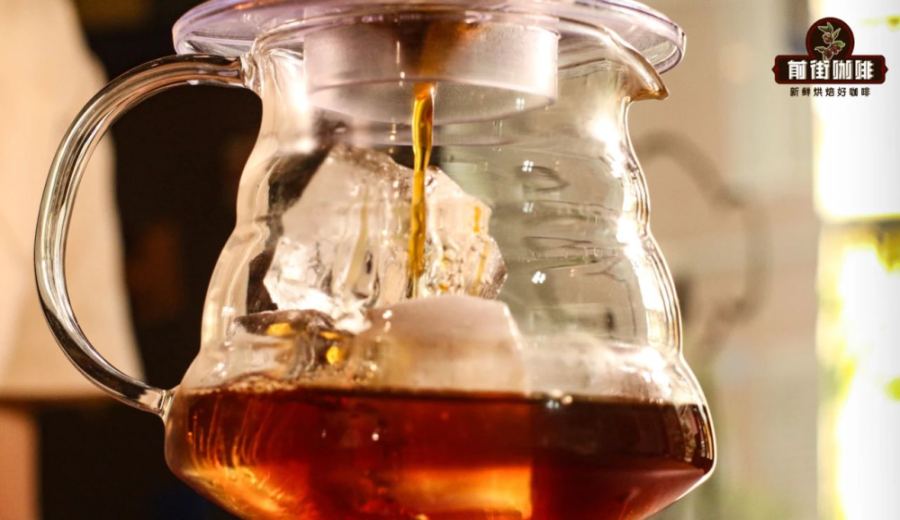
Introduction:On hot summer days, a refreshing and smooth cold brew coffee is the go-to choice for many coffee enthusiasts. This article delves into the extraction principles of cold brew coffee, starting with the differences between low-temperature and high-temperature extraction, and guiding you through how to adjust grind size, coffee-to-water ratio, and brewing time to achieve a well-balanced and ideally intense cold brew. It also recommends suitable coffee bean types for cold brew, helping you find your own signature summer coffee flavor.
On a summer afternoon, a chilled cold brew not only cools you down but also offers a unique coffee experience. Compared to traditional hot-brewed coffee, cold brew is extracted entirely at low temperatures, requires no advanced skills, and is easy to make at home. The resulting coffee often has a crisp mouthfeel, balanced acidity and sweetness, fewer impurities, and an overall cleaner flavor profile.
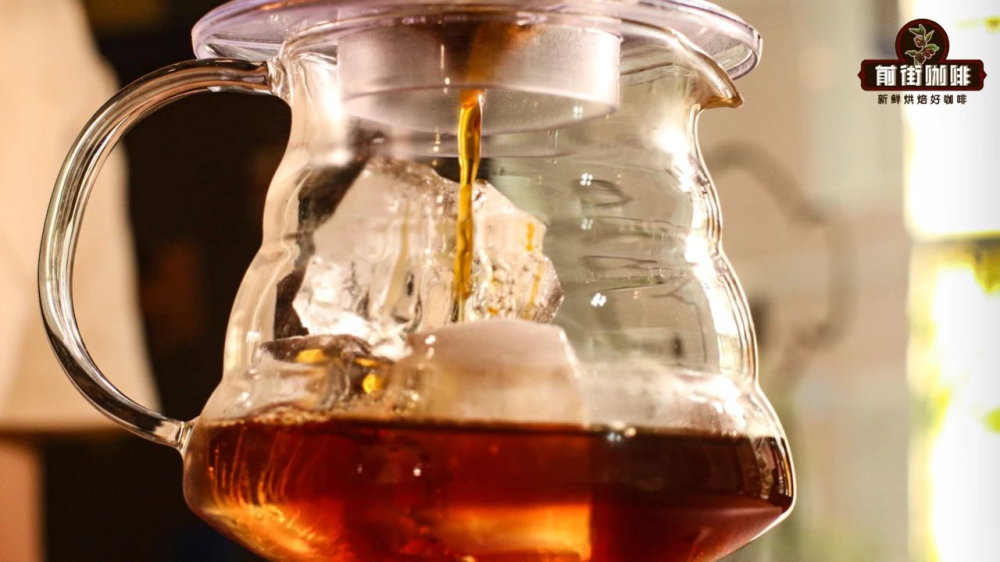
Generally speaking, only about 30% of a coffee bean consists of flavorful compounds, while the remaining 70% is insoluble woody fiber. Among these flavor substances, some may also contribute to bitterness or astringency. Ideally, extracting about 18% to 22% of the flavor compounds preserves the coffee’s layered complexity while maintaining a rich body. Too little extraction can result in a thin-tasting cup, while too much can easily produce unpleasant astringency.
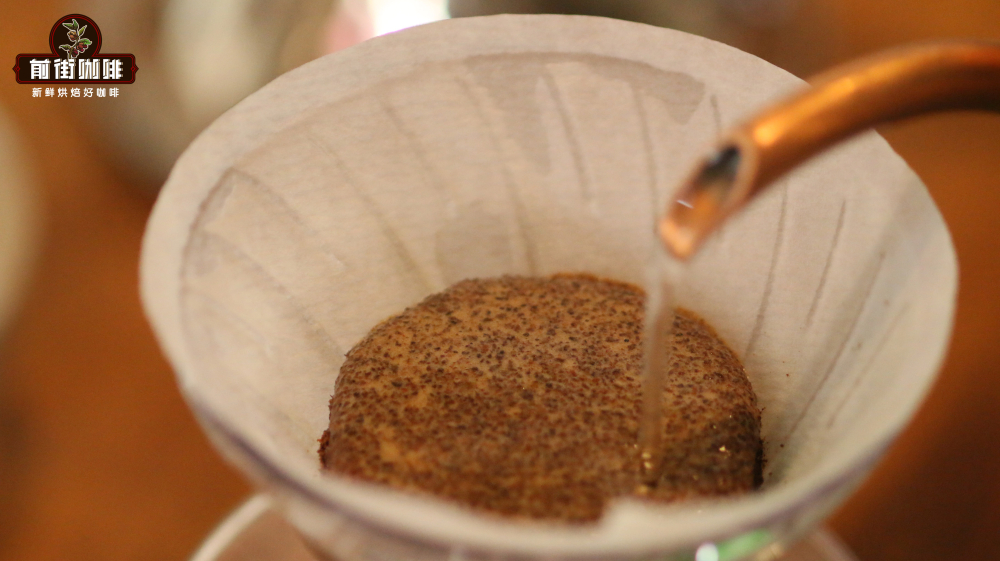
High-temperature extraction accelerates water molecule movement via heat, quickly drawing out flavors from the coffee. However, if water temperature and grind size are not properly controlled, it’s easy to over-extract bitter components, disrupting the overall flavor balance. In contrast, during low-temperature extraction, the lack of heat results in slower water molecule activity, which relatively suppresses the release of bitter substances. However, it does require a longer time—approximately 6 to 12 hours—to fully extract the acidic and sweet compounds, creating the distinctive refreshing acidity and sweetness of cold brew.
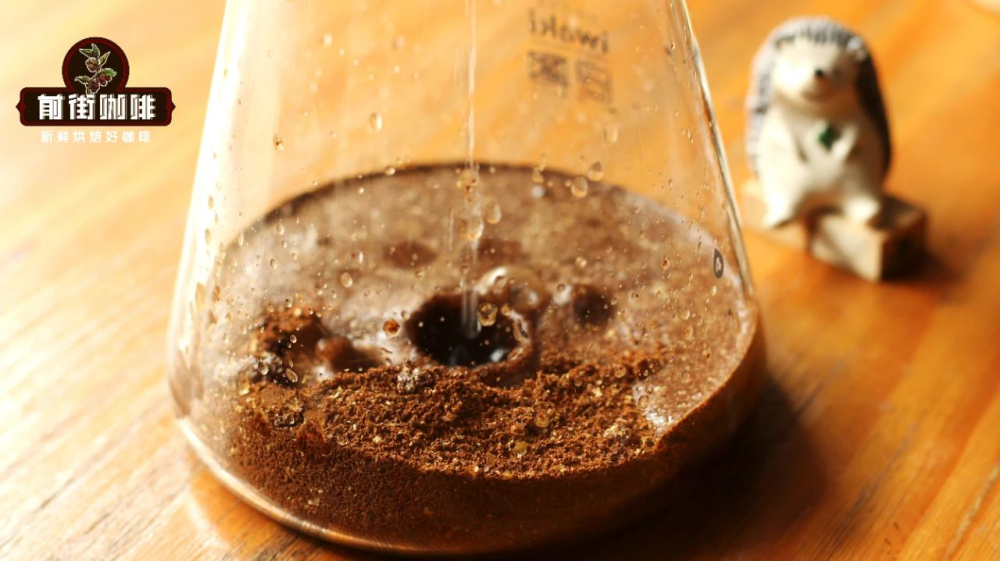
Interestingly, to enhance the overall concentration and extraction efficiency of cold brew, it’s recommended to use a coarser grind than what you’d use for pour over. For example, if a particular coffee bean uses a medium grind with an 80% passing rate through a Chinese No. 20 sieve for pour over, you can adjust it to a 75% passing rate for cold brew, making it slightly coarser. This adjustment helps prevent the coffee grounds from clumping due to slow water molecule movement in a low-temperature environment, which could otherwise affect extraction uniformity.

Practical testing has shown that, under the same conditions, using a coarser grind allows the coffee particles to disperse more evenly in cold water, reducing the likelihood of clumping and resulting in a more complete extraction, thereby improving overall concentration and flavor expression. This is because in extraction environments close to room temperature or lower, water molecule activity decreases, and overly fine coffee grounds are more prone to sticking together and forming clumps, preventing the inner particles from effectively contacting the water and thus affecting extraction efficiency.
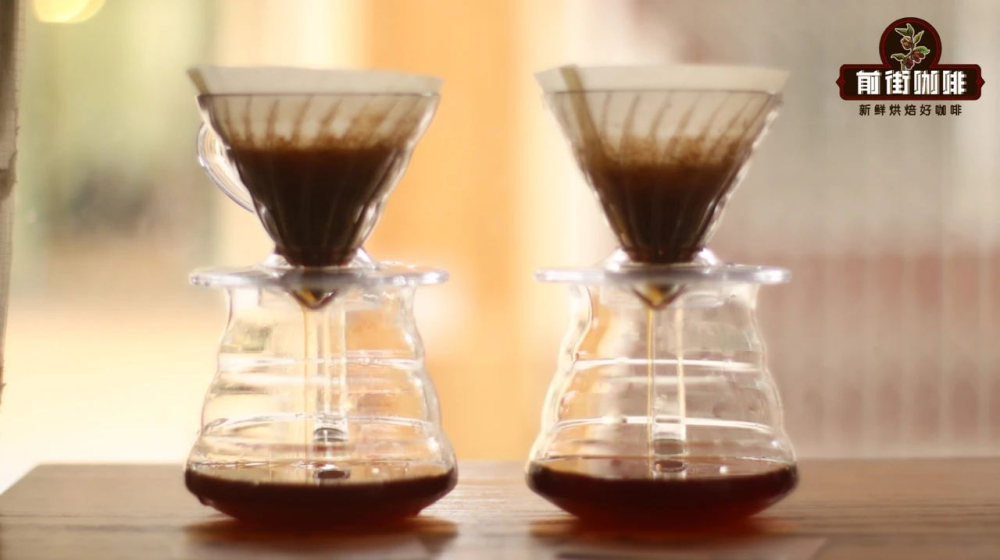
The tools needed to make cold brew are very simple: just a clean, sealable container and a material for filtering out coffee grounds (such as coffee filters, tea bags, fine mesh strainers, or cloth bags). A common recommendation is to use about 30 grams of coffee grounds with around 400 milliliters of cold water, following a 1:13 coffee-to-water ratio. Mix them evenly and let them sit in the refrigerator for 8 to 12 hours. Too short a time may lead to under-extraction, while too long might release woody fiber off-flavors, negatively affecting the aroma.
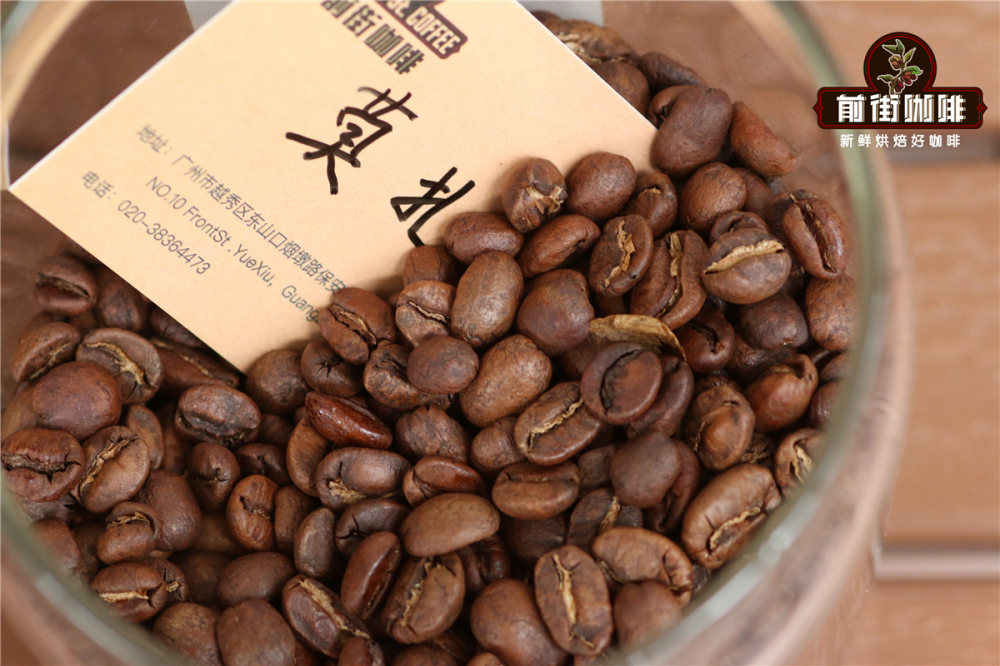
When it comes to selecting coffee beans, varieties well-suited for cold brew are typically those with pronounced acidity and sweetness and rich flavor layers. Common recommendations include lightly roasted beans from Africa and Central and South America, such as those with berry notes, dried fruit flavors, or floral-tea profiles—all of which can showcase the refreshing acidity and sweetness unique to cold brew. Additionally, beans with special processing methods—like wine-like, dried fruit, or creamy profiles—can also bring unexpected flavor dimensions to cold brew.
If you prefer a bold and rich black coffee, you can also choose darker-roasted beans, such as Indonesian Golden Mandheling, Brazilian Yellow Bourbon, or Papua New Guinea Bird of Paradise. Cold brew made from these beans often presents intense notes of nuts, caramel, and spices, with a lingering finish that often carries a hint of dark chocolate bitterness—ideal for those who enjoy a fuller-bodied cup.
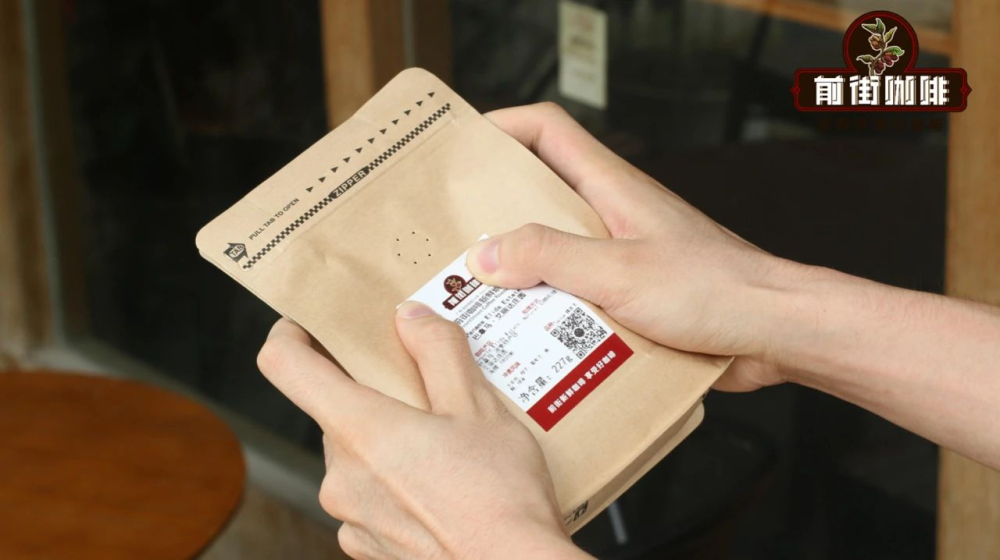
It’s worth noting that because cold brew involves prolonged low-temperature extraction, the release of carbon dioxide from the coffee beans is relatively slow. Using beans that are too freshly roasted may prevent the flavors from fully developing, and the coffee might even taste rather bland. Therefore, it’s recommended to use beans that have been roasted at least 10 days prior, allowing internal gases to dissipate adequately, which helps extract a richer and more balanced aroma profile.
The above content is compiled by CoffeeHunters, a coffee news website.


