







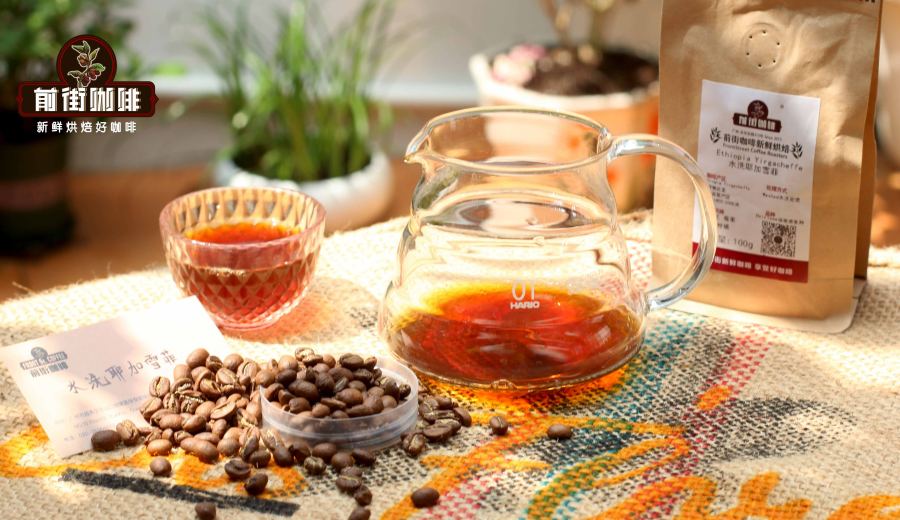
Introduction:Yirgacheffe is hailed as the "Queen of Lemons" and is often the first choice for many coffee beginners exploring specialty coffee. This article delves into Grade 1 Ethiopian Yirgacheffe coffee beans, analyzing the key differences between washed and natural processing methods, as well as the unique flavor profiles of the renowned shop’s washed Guji Dingding and Red Cherry offerings. It also provides practical brewing references and tasting suggestions to help you find your own perfect cup of specialty coffee.
Yirgacheffe is not only a well-known coffee-growing region in Ethiopia but also a classic name cherished by specialty coffee enthusiasts worldwide. The beans produced here are celebrated for their bright acidity and rich floral-fruity characteristics, especially the Grade 1 washed and natural processed beans, which are often the top choices for newcomers. This article will take you on a comprehensive journey through Yirgacheffe’s charm—from regional background and grading systems to the flavor profiles of specific bean offerings.
Yirgacheffe coffee beans are graded from G1 to G5, with G1 being the highest quality, typically offering more aromatic complexity and a finer mouthfeel. While G2 is more commonly found on the market, those seeking a truly premium experience will find G1 beans well worth trying. Among these, the renowned shop’s washed Guji Dingding and its Red Cherry serve as representative G1-grade beans, each showcasing the typical flavor characteristics of washed and natural processing methods respectively.
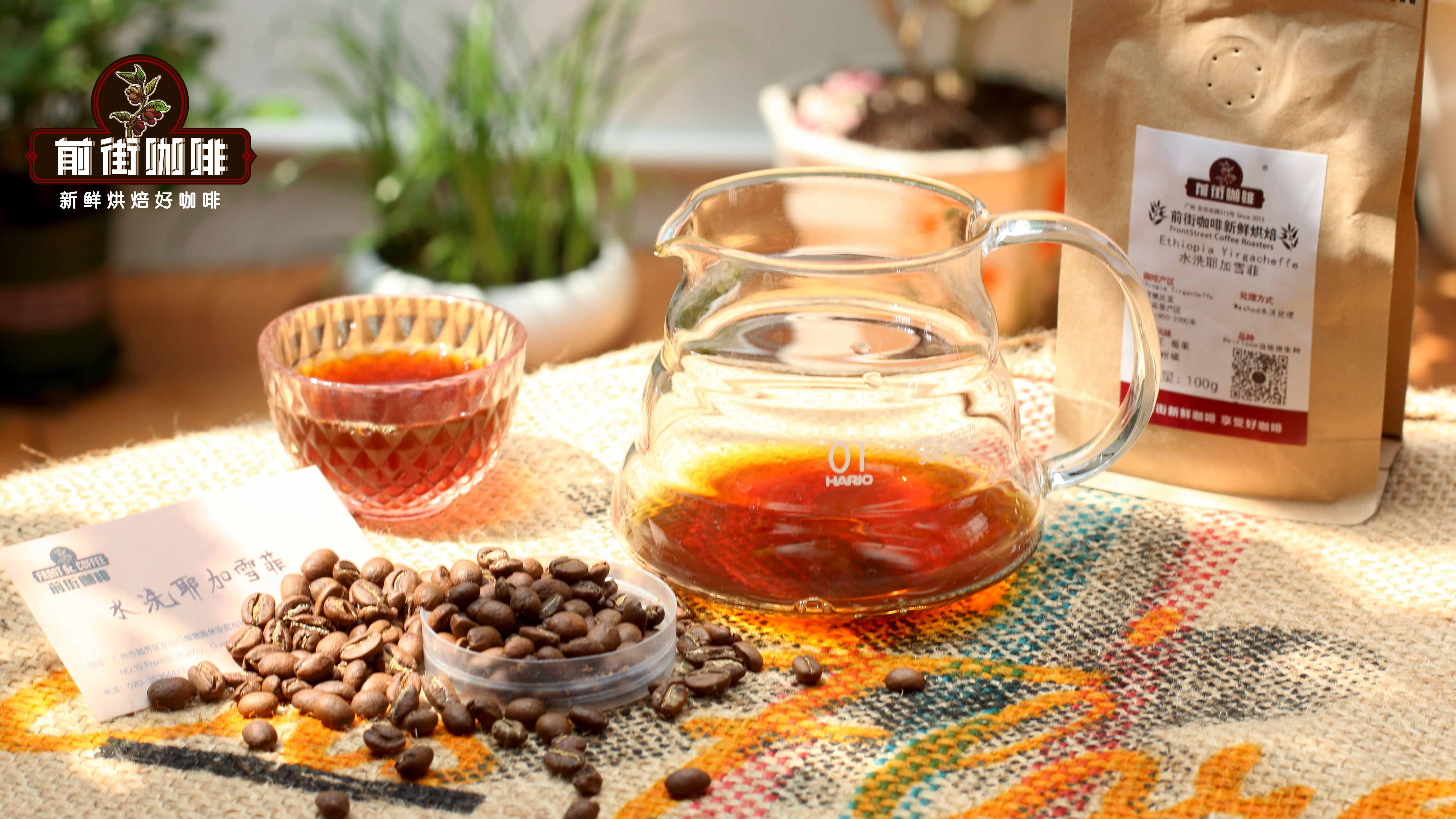
The renowned shop’s washed Guji Dingding is processed using the traditional washed method, which helps preserve the coffee bean’s clean acidity and delicate aromas. Its flavor profile is dominated by citrus and apricot notes, complemented by the freshness of green tea and the sweetness of honey, delivering an overall well-balanced cup. For brewing, a medium-light roast is recommended, with water temperature controlled around 90-92°C. A medium-fine grind (similar to granulated sugar) is ideal, and using a pour over method can better highlight its bright citrus acidity and floral-fruity aromas.
In contrast, the renowned shop’s Red Cherry is processed using the natural method, allowing the beans to develop richer fruitiness and fermentation layers during sun drying. Its flavor is characterized by berries and strawberries, accompanied by distinct fermented wine-like notes and lemony acidity, with a creamy smoothness and intense honey sweetness in the aftertaste. For brewing, it is suggested to slightly increase the water temperature to 93-94°C, with a slightly coarser grind (close to white sugar). Both French press and pour over methods can accentuate its bold fruity flavors and sweetness.
Geographically, the Yirgacheffe region borders Sidamo and was previously part of it, but it became an independent area due to its distinctive flavor characteristics. While Sidamo’s natural beans also exhibit similar fruity notes, they generally lack the intensity and layered complexity found in Yirgacheffe. The beans here inherently possess strong floral-fruity profiles, particularly the refreshing lemon-like acidity, which becomes especially prominent after light roasting. Many baristas recommend using cold drip or cold brew methods to concentrate the floral notes and enhance the clarity of the acidity.
It is worth noting that Yirgacheffe beans are generally best suited for light to medium roasting, as overly dark roasts can easily mask their delicate aromas and acidity. For storage, it is advised to use valve-sealed foil packaging and keep the beans in a cool, dry place. Once opened, try to consume them within two weeks to maintain optimal flavor. Additionally, when grinding and brewing beans of different processing methods, parameter adjustments are necessary—washed beans typically require a slightly higher extraction rate to bring out the acidity, while natural beans can benefit from a slightly longer extraction time to achieve a rounder mouthfeel.
In summary, whether you’re a beginner just starting out or a coffee enthusiast seeking new flavors, the Grade 1 washed Guji Dingding and natural Red Cherry from Yirgacheffe are highly representative choices. From citrus and apricot to berry and wine-like notes, these premium Ethiopian coffee beans will offer you a layered and unforgettable tasting experience.
The above content is compiled by CoffeeHunters, a coffee news website.


