







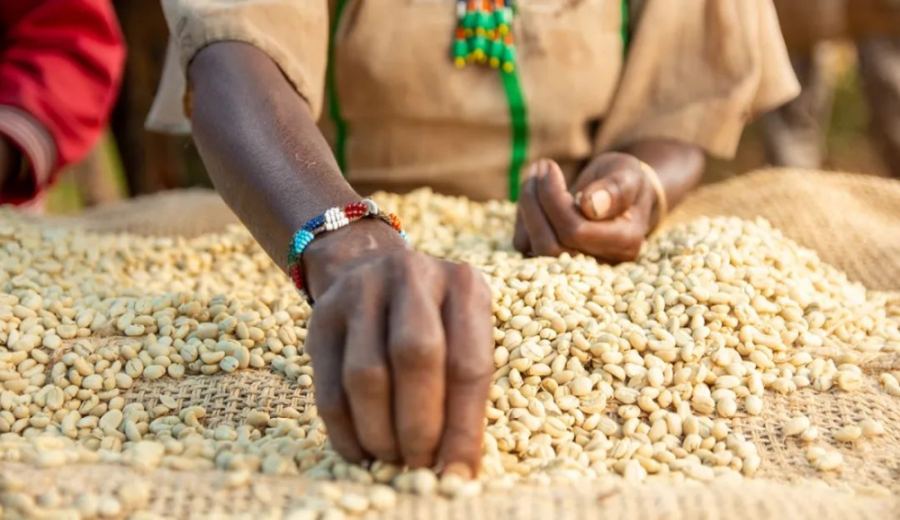
Introduction:Yirgacheffe is one of Ethiopia’s most iconic high-altitude specialty coffee regions, renowned for its distinctive jasmine floral notes, citrus tones, and tea-like body. This article delves into the region’s geographical background, historical roots, and washed processing characteristics, while also providing an in-depth analysis of the flavor profile and pour over brewing techniques of the classic washed coffee "Gutiti." It helps coffee enthusiasts gain a comprehensive understanding from flavor recognition to actual brewing.
Yirgacheffe is a well-known specialty coffee region from Ethiopia, and its name originates from a small town located in the Sidamo region. In the ancient language, "Yirga" means "to settle down," and "Cheffe" means "wetland." This area, surrounded by high mountains and morning mist, not only enjoys an elevation between 1,700 and 2,100 meters but also benefits from its cool, foggy climate, which contributes to its unique coffee flavor profile.
Although Yirgacheffe was once part of the Sidamo region, its coffee possesses extremely pronounced floral and fruity characteristics, and its flavor profile is distinctly different from surrounding areas. As a result, it was later designated as an independent specialty region and has since claimed an important position on the global specialty coffee map. The coffees from this region are not only known for their "Yirgacheffe flavor" but are also often regarded as a classic representation of African coffee flavors.
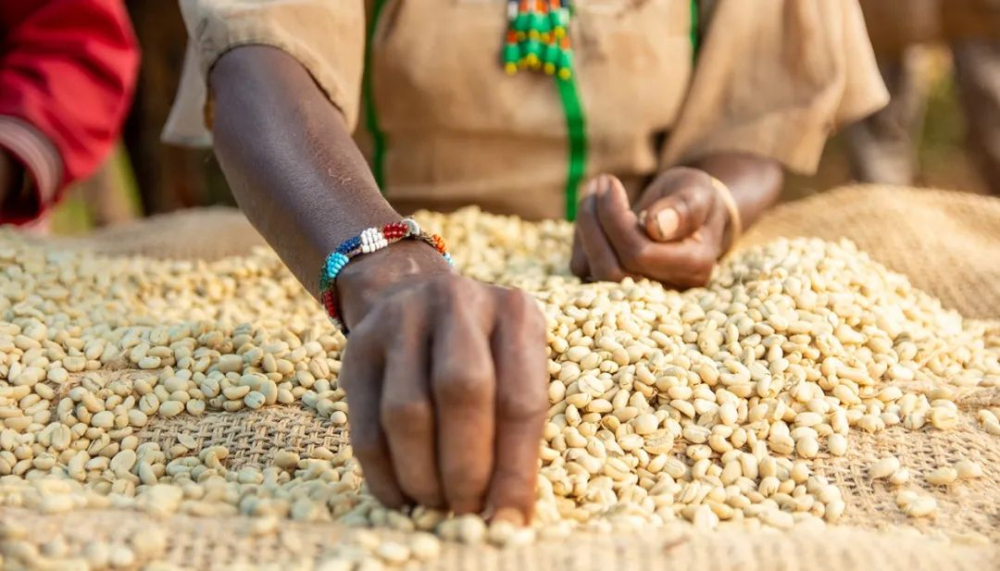
When discussing the flavor of Yirgacheffe, many people first think of its delicate and elegant floral notes, especially layers of jasmine and white floral tones, paired with bright acidity from citrus fruits like lemon and lime, along with soft fruit aromas such as peach and apricot. These are followed by a tea-like finish and sweet aftertaste, making the overall experience akin to a refreshing floral tea with fruity undertones. This flavor combination has made Yirgacheffe coffee a popular choice for many pour over enthusiasts.
The so-called "Yirgacheffe flavor profile" typically exhibits high acidity, vibrant aroma, and distinct layers, with a relatively light body but a silky-smooth mouthfeel. Upon tasting, it often delivers a sensory experience as if a hundred flowers have bloomed all at once — refreshing yet sweet, leaving a lasting impression.
If you’re new to Yirgacheffe, it’s recommended to start with classic washed processed beans, such as the well-known "Gutiti" (from one of the Guji/Gedo Zone large-scale cooperatives). This coffee bean is processed using the traditional washed method, and through rigorous processing steps, it fully showcases the fresh floral and fruity notes that Yirgacheffe beans should have.
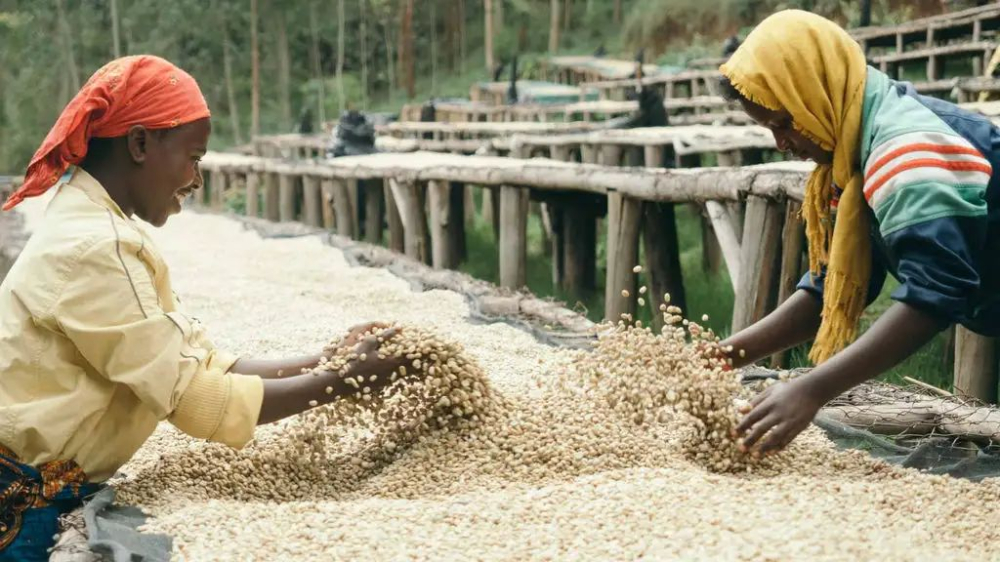
Its washed processing procedure is roughly as follows: first, the harvested coffee cherries are placed in a water tank, where unripe or defective cherries are screened out using buoyancy principles. Next, the outer fruit pulp is removed, leaving the mucilage-covered coffee beans, which are then placed in a fermentation tank for 18 to 36 hours to break down the mucilage layer. After fermentation, the beans undergo prolonged washing and brushing with water to remove impurities and less dense beans, ensuring that only the highest-quality parchment beans proceed to the subsequent drying stage.
Since the pulp is removed prior to drying, the risk of over-fermentation is significantly reduced, allowing the beans’ inherent aromatic qualities to be preserved more fully. With a moderate light to medium roast, these processing details further highlight the bright acidity of citrus and lemon, as well as the delicate white floral notes, making it one of the highly acclaimed classics in the global specialty coffee market.
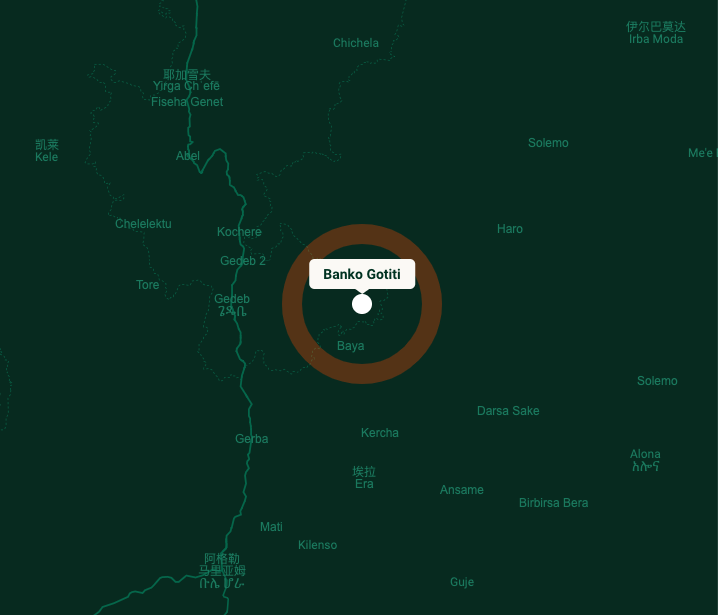
Currently, commonly available and consistently high-quality Yirgacheffe washed batches — such as those produced from the high-altitude Heirloom variety in Ethiopia’s Yirgacheffe Banko Gotiti — typically have the following characteristics: originating from the Gedeo region, at an altitude of about 1,900 to 2,300 meters, processed using the traditional washed method, and graded as G1, which is the highest standard for specialty beans locally.
For this type of washed Yirgacheffe, it is recommended to use a Hario V60 filter for pour over brewing. Specific suggested parameters are as follows: water temperature controlled at around 91°C, coffee dosage of about 15 grams, using a 1:15 coffee-to-water ratio, with a medium-fine grind size — approximately 80% passing through a Chinese standard No. 20 sieve. This grind size helps fully extract the acidity and aroma during brewing without compromising overall balance.
During pour over, it is recommended to use a staged extraction method: start by pouring about 30 grams of water for a 30-second bloom to help awaken the coffee grounds and release initial aromas. Then, pour water in small circles, and when the total water volume reaches 120 grams, perform the first pour stop. Wait briefly as the water level drops slightly, then continue pouring until reaching 225 grams before stopping. Finally, remove the filter just before the water level is about to expose the coffee bed. The total brewing time is kept around 2 minutes to effectively highlight the bean’s delicate flavors.
The brewed Yirgacheffe washed coffee primarily delivers flavors of citrus, orange, and jasmine floral notes. As the temperature cools, subtle layers of berry, cream, nuts, and green tea aromas often emerge. In terms of aftertaste, the citrus-like sweet and sour sensation lingers for a long time in the mouth. The overall profile is refreshing yet profound, making it ideal for coffee lovers who enjoy bright acidity and floral-fruit notes.
The above content is compiled by CoffeeHunters, a coffee news website.


