








Introduction:Want to quickly master coffee bean processing methods? By observing the state of silver skin residue and carefully tasting the flavor profile, even beginners can easily distinguish common processing methods such as washed, natural, honey, and wet-hulled. This article delves into the bean characteristics of global and regional processing methods, supplemented by comparisons of silver skin retention differences and flavor profiles after actual roasting, providing a systematic identification logic to help you build a comprehensive judgment ability—from the appearance of the beans to the brewed flavors.
Faced with the wide variety of coffee beans on the market, many coffee enthusiasts hope to quickly identify their processing methods. In fact, by mastering two key techniques—observing the condition of silver skin residue and tasting flavor characteristics—you can effectively distinguish common processing methods such as washed, natural, honey, and wet-hulled. This article will start from basic principles, systematically break down the bean characteristics of each processing method, and combine observations after actual roasting with flavor profile analysis to help you establish a clear identification mindset and further understand the unique flavor variations brought by advanced methods such as anaerobic fermentation.

Observing the amount of silver skin retention is an important clue for initially judging the processing method. Currently, processing methods on the market can be roughly divided into two major categories: global processing methods and regional processing methods. The mainstream global methods are washed and natural, which are the most widely applied. Among them, washed may also include variations such as anaerobic washed and washed with wine barrel fermentation, while natural includes various forms such as anaerobic natural, slow natural, and cocoa natural. Although these processing methods each have innovations, they still retain the typical traces of the original processing methods in terms of bean characteristics. As for regional processing methods, they include Indonesia’s unique wet-hulled process, as well as the commonly seen honey process (also known as semi-washed) in Central and South America. These methods have developed in response to local climates and environments, and often allow for the inference of possible origins based on bean characteristics.
Taking the wet-hulled method as an example, this process can be seen as a variation of the washed process. Its characteristic is that the coffee beans have their outer parchment layer removed early when dried to about half, accelerating the drying process, but this also easily leads to cracks on the bean surface, resulting in the so-called "goat hoof" appearance. However, with advancements in the process, such phenomena have gradually decreased. Honey process and semi-washed are intermediate approaches between natural and washed. The former avoids water contact entirely, while the latter involves brief soaking after removing the fruit skin before sun-drying. From the perspective of silver skin residue, except for raisin honey and black honey processes, the silver skin state of other honey and semi-washed processes is closer to that of the washed process.
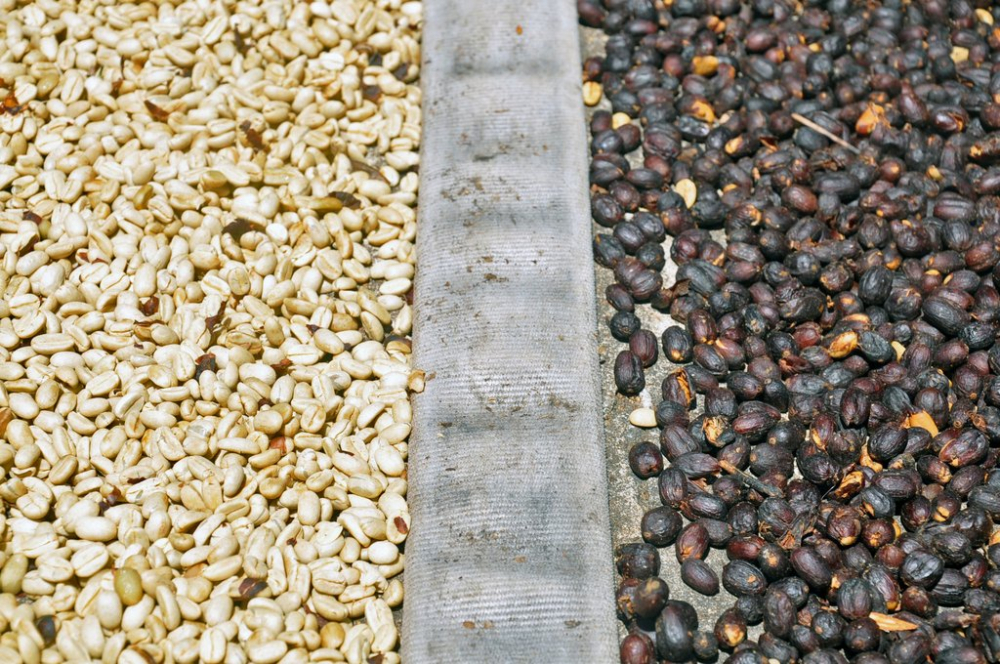
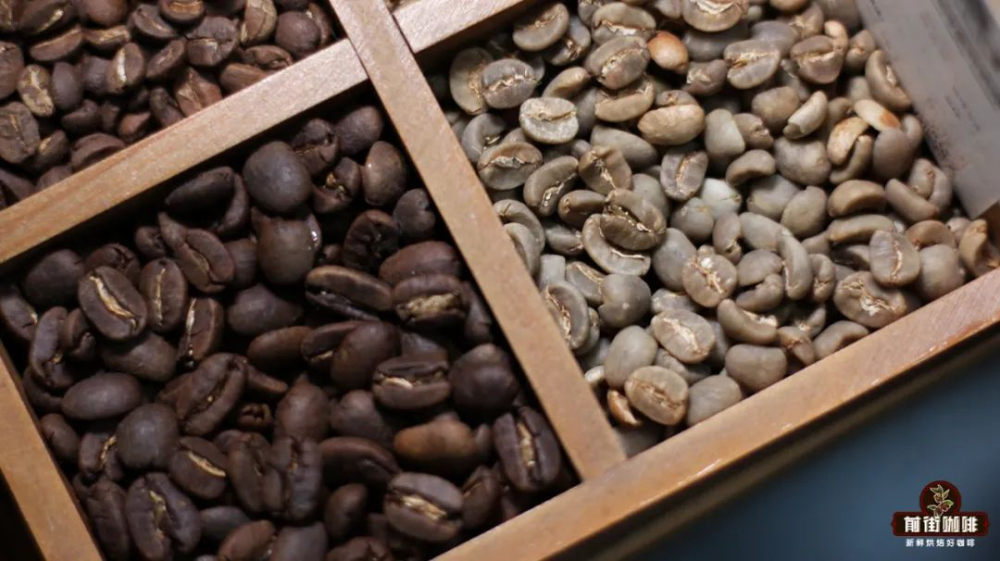
At the roasted bean stage, naturally processed coffee beans usually have less silver skin residue, while washed beans tend to leave noticeable white silver skin lines in the bean crevices. By observing these white lines, one can preliminarily determine whether the coffee beans are of the natural or washed type. Additionally, naturally processed, raisin honey, and black honey coffee beans have more thorough silver skin shedding after roasting, with almost no white lines visible in the crevices, and relatively fewer silver skin fragments produced during grinding.
To further distinguish between natural, honey, and washed, one can start with the appearance of the roasted beans. Generally, naturally processed beans have a more uniform color, while honey processed beans may have sugar stains remaining in the crevices or at the ends. After roasting, the caramelization in these areas is more pronounced, and the color appears darker. For example, raisin honey processed beans usually have more pronounced aromas than black honey processed beans. If noticeable white lines are found in the bean crevices, it can be preliminarily determined as washed processing, with exceptions including Indonesia’s wet-hulled method and Brazil’s semi-washed method, whose bean characteristics are easier to identify. Beyond that, if coffee beans from other origins show obvious white lines, they are usually classified as washed processed.
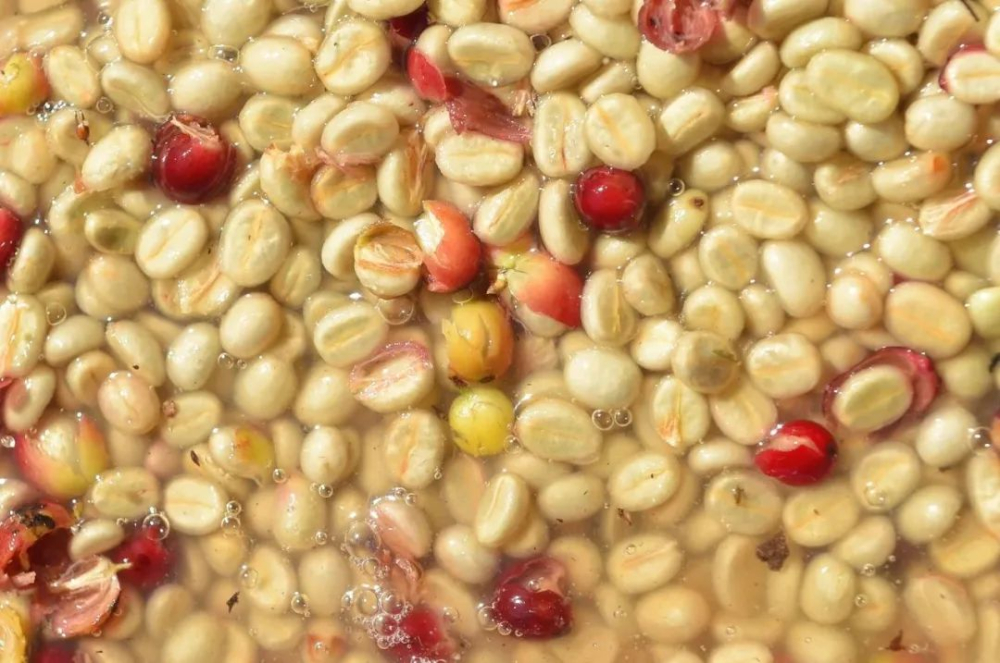
This observation technique is highly practical and can help identify over 90% of coffee bean processing methods. However, for location-specific methods like wet-hulled and semi-washed, judgment needs to be made by combining origin background and bean characteristics.
In addition to observing silver skin and bean characteristics, tasting flavors is also an important aspect of distinguishing processing methods. Especially for the same origin offering both natural and washed processed coffee beans, the flavor differences are even more apparent. Flavor perception cannot be fully understood through description alone—it must be experienced and compared through actual tasting to deeply appreciate the subtle variations.
Taking the Yirgacheffe region as an example, coffee from this area, whether processed naturally or washed, will exhibit a typical flavor profile of citrus, lemon, jasmine, honey, and green tea. However, naturally processed beans perform more prominently in terms of layering and sweetness, with citrus as the main note, complemented by sweet berry aromas and noticeable fermentation notes. In contrast, washed processing showcases a cleaner and crisper flavor profile, also with citrus as the main note, but paired with jasmine floral notes and a green tea aftertaste, with overall acidity being more distinct and the profile clearer.
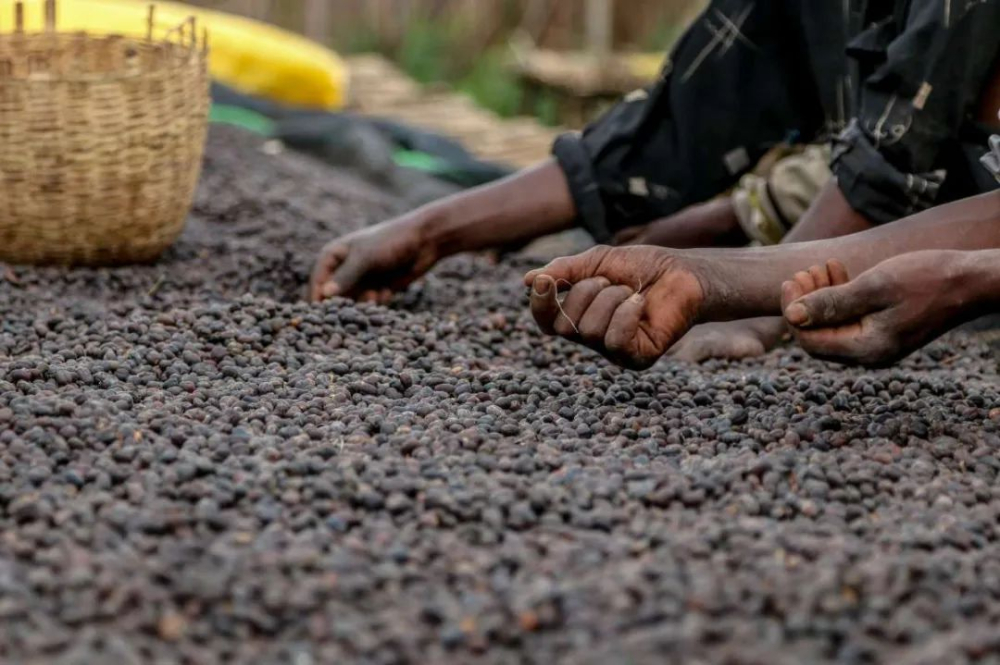
Simplified, naturally processed coffee usually has richer sweetness, more varied layers, and noticeable fermentation notes; washed processing excels in clear, soft, and light flavor expression. Understanding this basic difference makes the flavor identification of other processing methods more intuitive. For example, anaerobic processing methods (such as anaerobic natural and anaerobic washed) are also applicable for flavor distinction, where anaerobic natural flavors are usually more intense and complex than anaerobic washed, but if fermentation control is inadequate, it may also result in a messy taste. Therefore, anaerobic washed is relatively more stable and controllable at present. Whether it's anaerobic fermentation or wine barrel aging methods, the core lies in precisely controlling the fermentation process to trigger unique flavor changes.
It’s worth noting that anaerobic processing doesn’t necessarily result in exaggerated flavor expressions. Although many anaerobic coffee beans on the market use bold fruitiness and special fermentation aromas as selling points, there are also cases like Elida Estate, which, while retaining the original Geisha flavors, add more appealing details through anaerobic fermentation without over-rendering. Anaerobic processing is essentially a methodological choice, and the final flavor expression still depends on the processor’s technical skill and design objectives.
The above content is compiled by CoffeeHunters, a coffee news website.


