








Introduction:You might not know that using the same coffee beans and grind settings, simply by adjusting the coffee-to-water ratio, can make the flavor profiles of espresso, latte, and Americano vary dramatically. This article delves into the specific impact of three common extraction ratios—1:1, 1:1.5, and 1:2—on the acidity, sweetness, complexity, and aftertaste of coffee. Based on professional testing, it helps you find the optimal coffee flavor balance for your personal taste.
Lattes, Americanos, and espressos all originate from the same base, yet exhibit distinctly different flavor profiles due to subtle variations in the coffee-to-water ratio during extraction. This experiment uses the same specialty blend of coffee beans, maintaining the same grind size and dose, and tests three coffee-to-water ratios—1:1, 1:1.5, and 1:2—to observe how their flavors change when used as espresso bases, in lattes, and as brewed Americanos. The results showed that lower ratios emphasize acidity but enhance sweetness when milk is added, while higher ratios are more prone to over-extraction flaws such as woody and smoky notes.
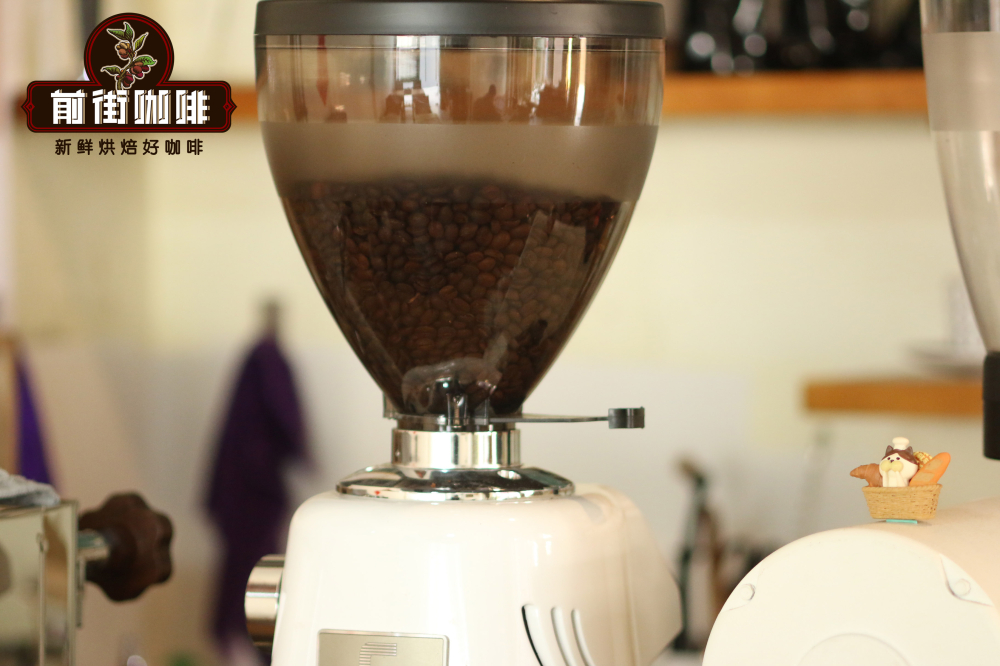
 The experiment used a 300ml latte cup, with coffee beans being a specialty blend of Colombian and Brazilian origins, paired with a Fiorenzato F90E grinder set to a 1.9 grind setting. A single spout portafilter was used with a fixed dose of 20 grams, and extractions were performed at coffee-to-water ratios of 1:1, 1:1.5, and 1:2. Below are the actual tasting notes and recommendations for each ratio.
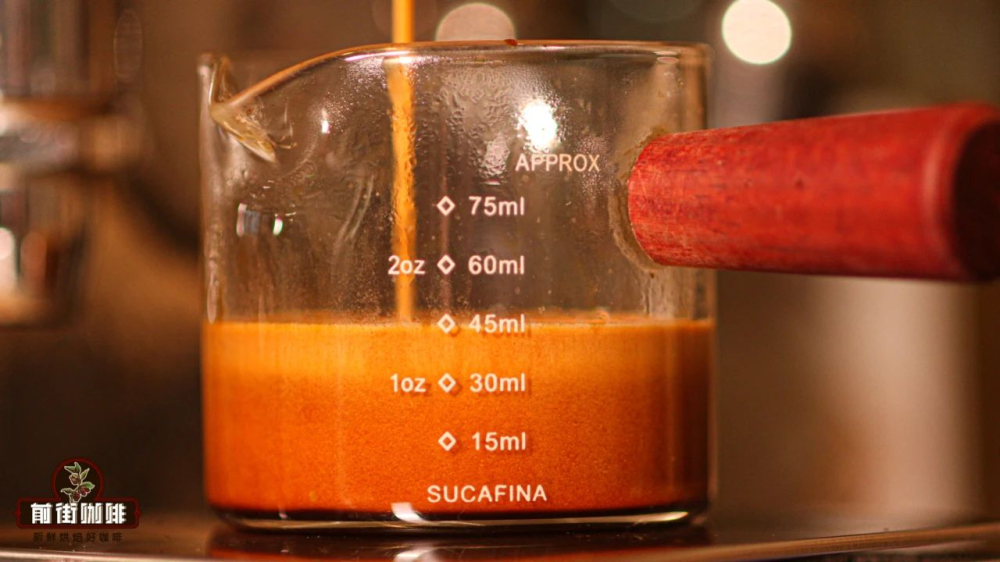
Coffee-to-water ratio 1:1 — 20g coffee grounds extracted to 20g coffee liquid, extraction time approximately 19 seconds
At this ratio, the espresso has a smooth mouthfeel, with pronounced but bright acidity, primarily showcasing creamy and nutty notes, and a distinct cane sugar sweetness in the aftertaste. When this espresso is mixed with milk to make a latte, the overall flavor becomes mellow, with clear layers of nuts, chocolate, and cream, along with a hint of buttery cookie aroma, and the natural sweetness of the milk is more pronounced. If this espresso is used to brew an Americano, it emits a faint caramel aroma, with a soft entry and a sweet-and-sour aftertaste of red berries.

Coffee-to-water ratio 1:1.5 — 20g coffee grounds extracted to 30g coffee liquid, extraction time approximately 27 seconds
The espresso extracted at this ratio has a noticeable berry-like acidity upon entry, gradually revealing chocolate and hazelnut aromas in the mid-palate, with a long-lasting and balanced finish. The latte made from this espresso has a rich flavor profile, blending creaminess, milk chocolate, and delicate nutty notes, with very balanced overall performance and no competition between milk and coffee. When brewed as an Americano, the berry acidity is still perceptible, but the aftertaste turns into a soft cane sugar sweetness, making it suitable for drinkers who enjoy a slightly acidic and balanced taste.
Coffee-to-water ratio 1:2 — 20g coffee grounds extracted to 40g coffee liquid, extraction time approximately 34 seconds
This ratio’s espresso initially presents a creamy, sweet sensation, with bright cane sugar sweetness but shorter persistence, while the aftertaste clearly carries smoky and woody off-notes. The latte based on this espresso has a lighter sweetness but feels somewhat hollow, with an unappealing cinnamon and woody note in the aftertaste. When brewed as an Americano, the woody and smoky flavors become even more prominent, mixed with cocoa notes, often resulting in an over-extracted and unpleasant taste. Unless pursuing a special flavor profile, this ratio is generally not recommended for everyday milk-based coffee or straight espresso.
Summary and Recommendations
The experiment clearly shows that:Espressos with lower coffee-to-water ratios (such as 1:1)may have more pronounced acidity, but because the extraction time is short and mainly extracts the early-stage desirable compounds, they are less prone to over-extraction. When milk is added, the sweetness is more easily brought out, and the Americano also exhibits a soft and smooth character.At a coffee-to-water ratio of 1:1.5 , the flavor profile is the most complex, and both milk-based coffee and Americano perform most balanced, suiting the taste preferences of most consumers. As forthe 1:2 coffee-to-water ratio, it is more likely to result in over-extraction, bringing out woody and smoky notes that negatively affect the overall drinking experience.
Generally speaking, if you prefer lattes with prominent sweetness and a mellow mouthfeel, or want a smoother-tasting Americano, you can try using the 1:1 espresso extraction ratio. If you desire a deeper and more layered flavor while maintaining the milk-coffee balance in lattes, then 1:1.5 is a more suitable choice.
What kind of coffee beans should you choose for espresso?
Regardless of the type of coffee you’re making, espresso is the core foundation. For those seeking stable and layered espresso performance, it is recommended to choose a professionally blended and dark-roasted espresso blend. For example, a classic espresso blend composed of beans from Brazil, Indonesia, and Vietnam not only highlights rich and full-bodied aromas but also helps form a thick and velvety coffee crema. Whether making an Americano with water added or a latte with milk, it delivers consistent and high-quality extraction. Additionally, blending helps reduce the impact of seasonal flavor fluctuations from single-origin beans, ensuring more stable and reliable performance in every cup.
The above content is compiled by CoffeeHunters, a coffee news website.


