







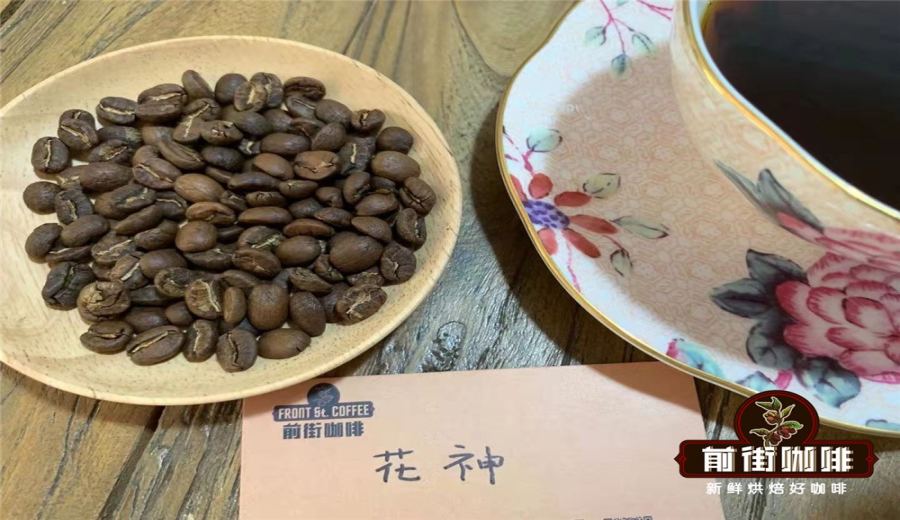
Introduction:Want to understand where the unique smoky notes and layered fruity-floral complexity of Guatemala Antigua coffee come from? This article takes you on an exploration of this premium coffee bean from the volcanic heartland of Central America — from the geographic and historical background of the Antigua region, to the varietal of the Flora coffee, its washed processing method, and practical pour over brewing recommendations. Help you fully grasp the distinctive flavor profile and brewing tips of this uniquely characteristic coffee bean.
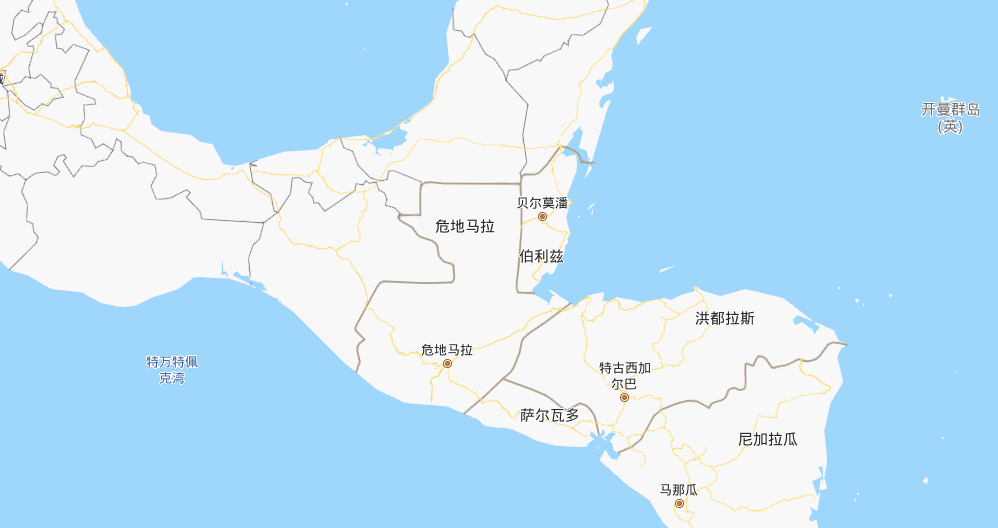
Guatemalan coffee has long been renowned for its intense smokiness and rich mouthfeel, with the Antigua region considered the pinnacle representative of Central American coffee. These beans are not only commonly found in specialty coffee shops, but their distinctive charred and chocolatey aromas are also an irreplaceable memory for many coffee enthusiasts. What kind of environment and craftsmanship creates such unique flavors? Let’s start with the history and geography of the Antigua region to find out.
The most prominent characteristics of Antigua coffee are that lingering smoky finish reminiscent of light smoke and its delicate layered complexity. These flavors mainly come from the region’s unique volcanic soil, moderate altitude, and significant day-night temperature variation. Antigua is nestled among three active volcanoes, which not only provide fertile pumice soil but also release large amounts of nitrogen during each eruption, aiding in the growth of coffee trees and the accumulation of flavor compounds. As a result, Antigua coffee is often described as having a “cigarette” note, though it’s actually closer to the gentle, smoky warmth of lightly roasted charcoal.
When discussing the Antigua region, its historical background cannot be overlooked. As early as the 16th century, this area was part of the Mayan civilization, and the history of coffee cultivation can be traced back to that time. Although traditional primary processing methods (such as natural sun-drying) were used — which might even carry earthy off-notes — with the evolution of specialty coffee, Antigua’s coffee has now moved toward more refined washed processing, showcasing bright acidity and complex layers.
Antigua City, one of the oldest cities in Central America, was once the capital during the Spanish colonial era. Though it lost its capital status after the major earthquake of 1773, the remaining architecture and cultural heritage still tell stories of history. The surrounding volcanoes not only shape the magnificent landscape but also provide an ideal environment for coffee cultivation. High altitude, moderate rainfall, along with the volcanic soil’s excellent drainage and nutrient content, result in slower-growing coffee trees that accumulate richer flavor compounds.
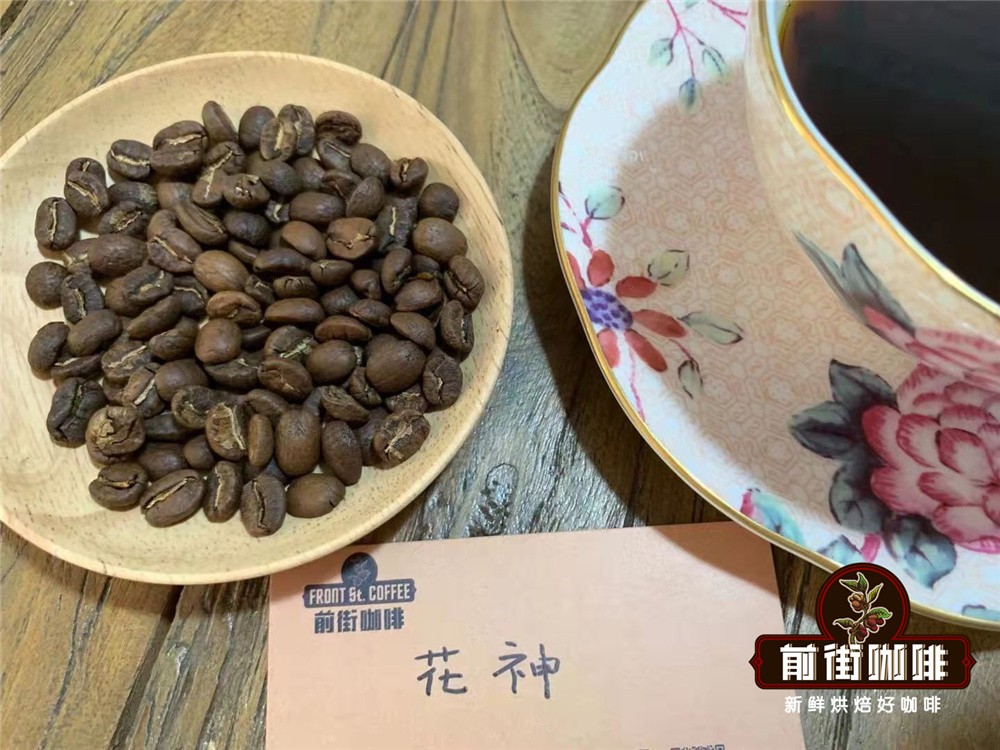
Finca La Lomita is one of the most representative producers in the Antigua region. Its “Flora” coffee beans are a classic example crafted using high-standard washed processing. The green beans are processed by the region’s largest wet mill, Las Pastores, commissioned by the farm, ensuring consistency and stability in quality. Flora coffee exhibits pronounced floral and tea-like aromas in its dry fragrance, while the cup reveals a lime-like bright acidity paired with berry notes, transitioning into a smooth honey-like sweetness in the finish. The overall profile is clean and well-layered.
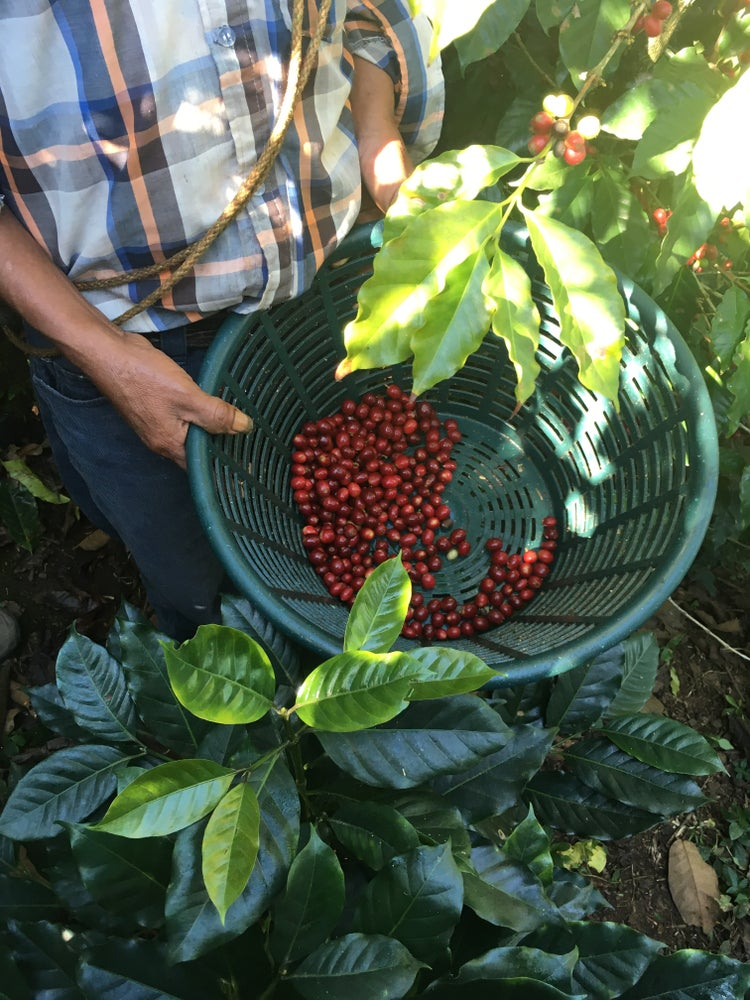
Finca La Lomita places great emphasis on organic management in its cultivation process. Thanks to the high altitude and special climate, pest threats are relatively low, allowing the farm to reduce pesticide use. However, since coffee cherries ripen at different rates, careful selection of only fully red-ripe cherries is required during harvest to ensure only the highest-quality coffee is picked. In addition, the farm conducts multiple soil tests each year, precisely adjusting fertilization plans and supplementing trace elements such as zinc, boron, and copper to maintain soil health and the vitality of the coffee trees.
Flora coffee primarily uses classic Arabica varieties such as Bourbon, Caturra, and Catuai. Among them, Bourbon is known for its balanced sweet and acidic profile and rounded mouthfeel, making it a favorite among many coffee lovers; Caturra offers a bright citrus note, though its sweetness and yield depend on cultivation management; Catuai combines traits of Caturra and the Mundo Novo variety, with strong wind resistance but relatively limited production. These varieties, under Antigua’s volcanic microclimate, are able to express their most captivating flavor profiles.
In terms of processing methods, the Antigua region, like most Central American countries, prefers washed processing. This method effectively removes the mucilage layer, resulting in cleaner acidity and a more distinct flavor profile. The steps of washed processing include: first using water flotation to remove defective beans, then mechanically removing the skin and pulp, followed by placing the beans in fermentation tanks to break down the mucilage, and finally rinsing with clean water and drying them to approximately 11% moisture content under shade. This processing approach allows Flora coffee to retain bright acidity and well-defined fruit aromas.
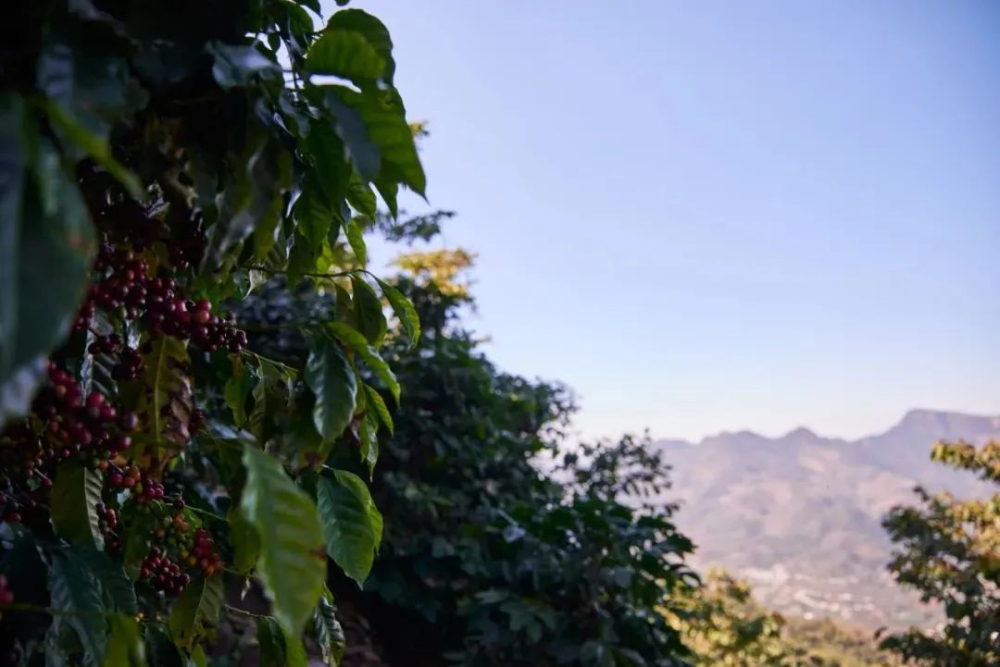
To brew Flora coffee at home and achieve its optimal flavor, it is recommended to use beans roasted to a medium-light level to preserve their fruity-floral aromas and bright acidity. Use a V60 dripper with a medium-fine grind (e.g., about 80% passing through a Chinese No. 20 sieve, roughly the coarseness of fine sugar), set the coffee-to-water ratio at 1:15, and control the water temperature around 91°C. Employ a three-pour brewing method: start with a 30-second bloom using 30 grams of water to release CO₂; then pour in a slow circular motion up to 125 grams, continue pouring to 225 grams, then stop and let the dripper finish dripping. Total extraction time is about 2 minutes. These parameters help enhance flavor clarity and overall balance.
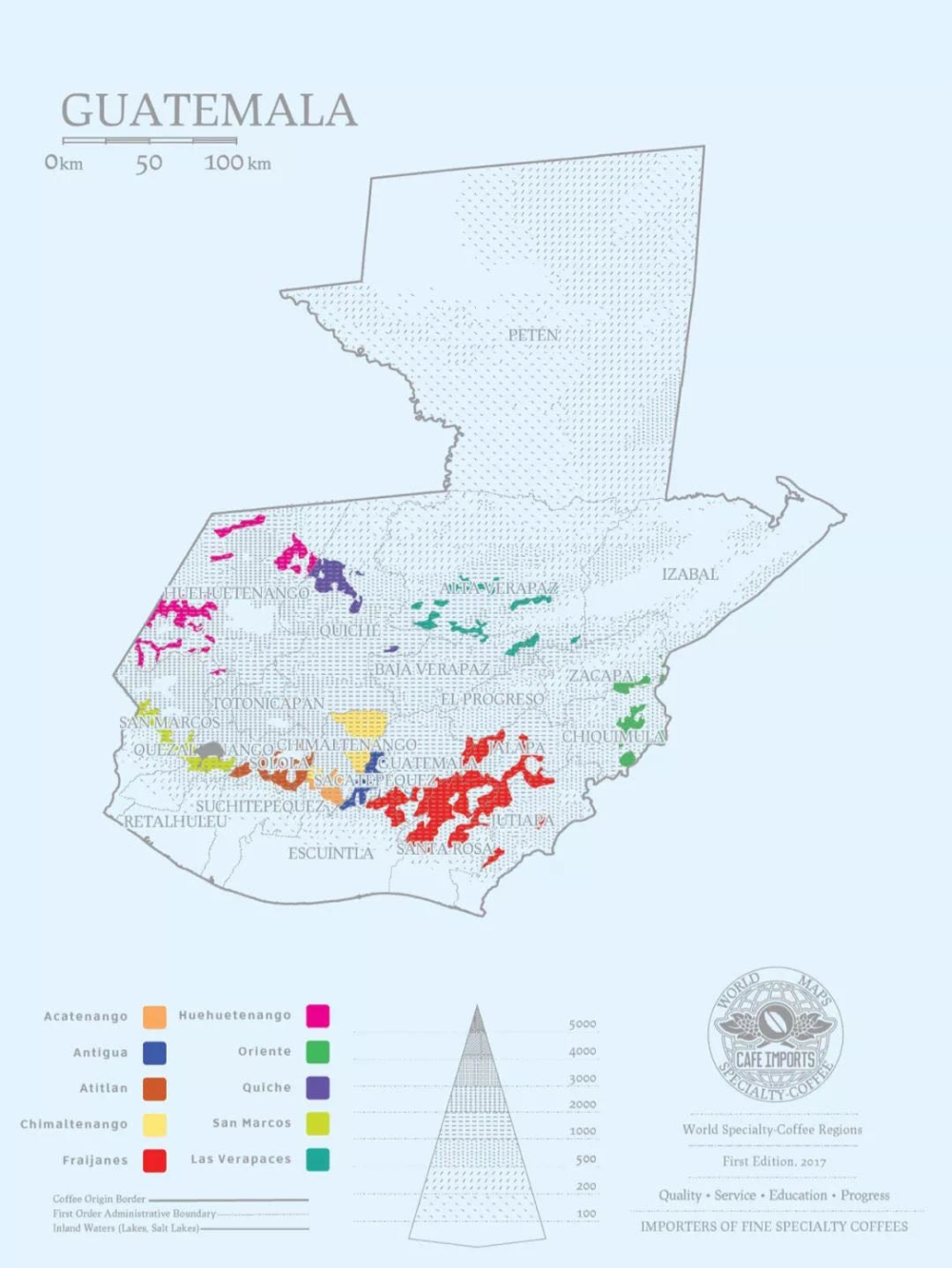
In summary, Guatemala Antigua’s Flora coffee, with its smoky-chocolate base, delicate berry acidity, and honey-like finish, showcases the unique character shaped by volcanic soil and high-altitude microclimate. Whether you’re a coffee novice or an experienced enthusiast, mastering the right brewing techniques will allow you to experience the endless charm of this classic Central American coffee bean.
The above content is compiled by CoffeeHunters, a coffee news website.


