







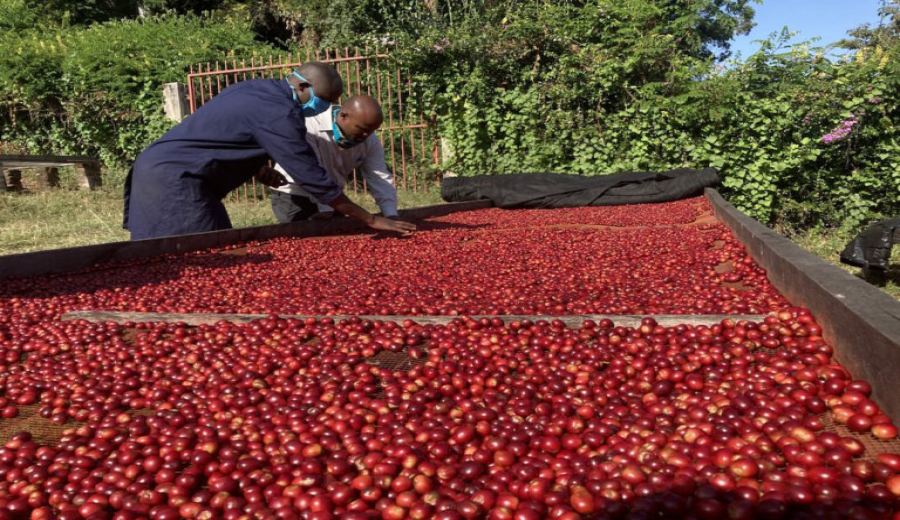
Introduction:Kenyan coffee is renowned for its intense acidity and complex layers, with PB peaberries and SL series varieties being particularly sought after by enthusiasts. This article delves into the high-altitude geographical conditions of Kenya’s coffee-growing regions, the unique characteristics of the SL28 and SL34 varieties, the key steps of the K72 washed processing method, and offers practical pour over parameters along with flavor expectations to help you fully appreciate the distinctive charm of this classic African bean.
Although not the birthplace of coffee, Kenya has successfully cultivated premium beans with distinct flavors thanks to its equator-spanning high-altitude terrain, significant day-night temperature variations, and mineral-rich soils. Particularly, the country’s PB peaberries, as well as the classic SL28 and SL34 varieties, enjoy extremely high acclaim in the global coffee market. This article will guide you through Kenya’s coffee-growing environment, varietal origins, grading system, the unique characteristics of PB peaberries, and provide a detailed look at the highly praised K72 washed process, as well as how to use pour over brewing to highlight its bright acidity and rich complexity.
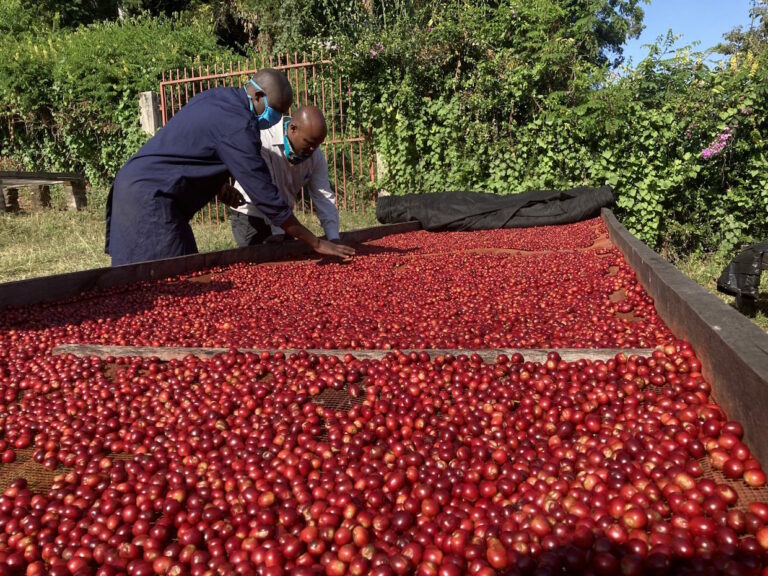
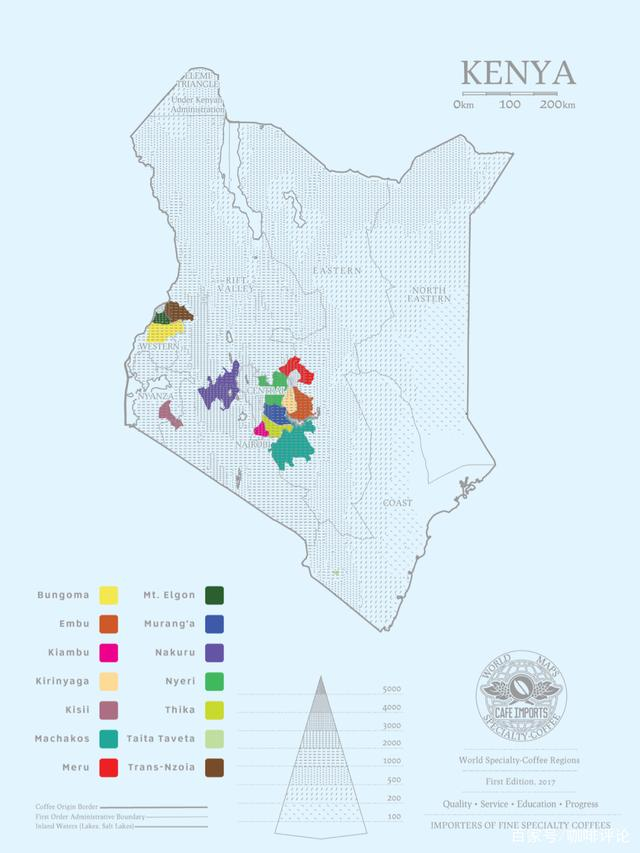
Kenyan coffee is primarily grown in high-altitude areas, with average cultivation elevations ranging between 1,500 to 2,100 meters. Day-night temperature differences can reach 12–16°C, with daytime temperatures around 22–26°C and nighttime temperatures dropping to 10–14°C. These dramatic fluctuations help coffee cherries ripen slowly, accumulating more complex flavor compounds. Additionally, some regions have soils with higher phosphorus content, further enhancing the acidity expression of the beans and giving Kenyan coffee a freshness and vibrancy hard to replicate elsewhere.
Kenya’s coffee cultivation history dates back to 1893, initially introduced from Réunion Island, but for a long time dominated by the British colonial government. It wasn’t until 1935 that local farmers gradually gained autonomy in cultivation and management. Early plantings were dominated by the Bourbon variety, but after 1935, the SL28 and SL34—carefully selected by the Scott Laboratories—became the main varieties. These two varieties not only feature large bean sizes but also possess excellent disease resistance and outstanding flavor potential.
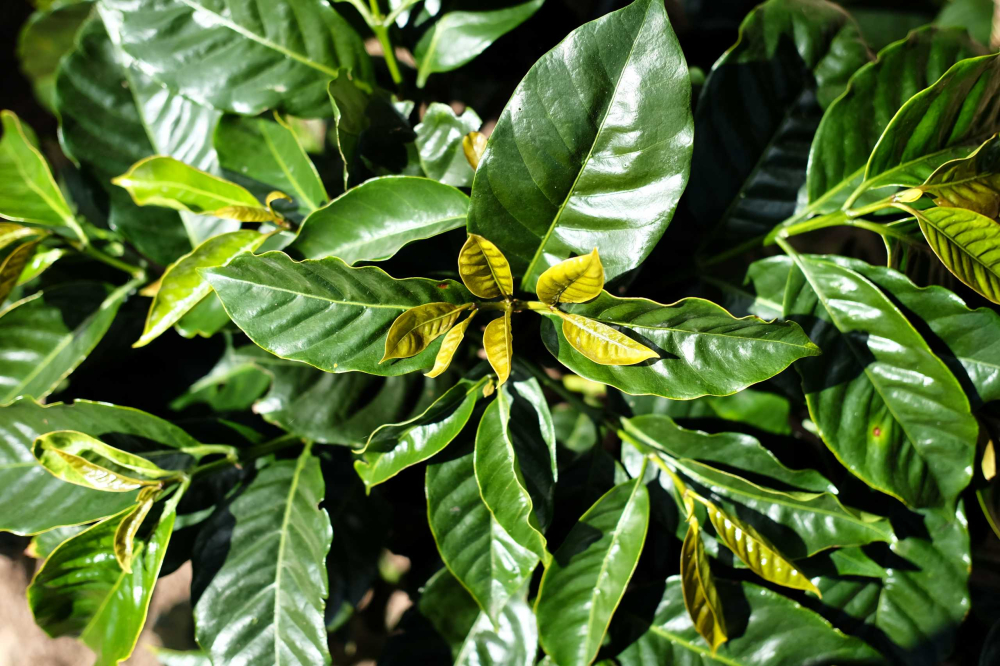
SL28 originates from the Bourbon family, known for its copper-green leaves and pea-shaped beans. Although its yield is lower than expected, it delivers intense citrus and black plum flavors with a balanced and layered sweet-acid profile. SL34 combines lineage from French Mission, Bourbon, and Typica, sharing a similar flavor direction with SL28 but with a softer and smoother mouthfeel and a clean, clear aftertaste. These two varieties form the flavor core of Kenyan coffee and are considered classics among many coffee enthusiasts.
Kenyan coffee is rigorously graded based on bean size, with AA grade representing beans sized between 17–18 mesh, plump and uniformly sized, typically offering the richest flavors and highest market value. AB grade consists of 15–16 mesh beans, occasionally allowing a small proportion under 15 mesh. Though ranked slightly lower, their quality isn’t necessarily inferior. This screening mechanism ensures consumers can choose the most suitable beans according to their preferences, though actual flavor still depends on processing methods and origin.
The so-called PB peaberry is actually a rare mutation found within coffee cherries. Normally, each cherry contains two flat “mother beans,” whereas a PB (Peaberry) is a single round or oval “father bean” resembling a grain of rice. This mutation concentrates nutrients, often resulting in more intense flavor expression. Kenyan PB peaberries are usually hand-selected and are among the most distinctive in flavor among all PB beans, making them ideal for coffee aficionados seeking unique taste experiences.
The most representative processing method in Kenya is undoubtedly the K72 washed process. Unlike conventional washed methods, this technique involves three 24-hour fermentation cycles totaling 72 hours of extended fermentation. After pulp removal, the first 24-hour fermentation takes place, followed by thorough rinsing with clean river water, then the fermentation and washing steps are repeated twice to ensure full acid development and complete impurity removal. This method extracts brighter, fuller acidity even in low-temperature environments while maintaining overall flavor clarity and layering.
To fully showcase the unique flavors of Kenyan coffee, pour over brewing is recommended. Use a Hario V60 dripper, set grind size to medium-fine (approximately 75% passing through a Chinese No. 20 sieve), with 15 grams of coffee, a 1:15 coffee-to-water ratio, and water temperature controlled at 91°C. Employ a three-stage pouring method: the first pour adds 30 grams of water for a 30-second bloom; the second pour adds 95 grams (total 125 grams) over about 1 minute; the third pour adds 100 grams (total 225 grams) over about 1 minute 45 seconds, with total brew time maintained between 2 minutes and 2 minutes 10 seconds. These parameters balance acidity and sweetness, highlighting Kenya coffee’s signature berry acidity and caramelly finish.
Whether it’s the large AA-grade beans or the carefully selected PB peaberries, Kenyan coffee showcases intense fruit acidity and complex layers, with flavors reminiscent of fresh tomato juice blended with mixed fruit juices, and a warm caramel-like sweetness in the aftertaste. With the right processing and brewing methods, you’ll be able to deeply experience the boundless charm of this exceptional African specialty coffee.
The above content is compiled by CoffeeHunters, a coffee news website.


