








Introduction:The Moka pot is the go-to tool for many coffee beginners stepping into the world of espresso. However, to brew coffee with rich crema and balanced flavor, precision is required in everything from bean variety and grind size to heat control. This article provides a detailed walkthrough of the complete Moka pot brewing process, including recommended coffee bean types, grind size suggestions, coffee grounds filling and water pouring techniques, timing for heat adjustment, and shares various popular drink-mixing methods to help you replicate café-quality espresso flavors at home with consistency.
Thanks to its simple structure and ease of use, the Moka pot has become the preferred brewing device for many home coffee enthusiasts. However, extracting richly flavored, crema-packed espresso with it involves subtle techniques at every step—from selecting the right type of beans, how fine to grind them, how to fill and pour, to adjusting heat during brewing—all of which impact the final extraction. This guide will take you step-by-step through the full operation of the Moka pot, along with practical drink-mixing tips, so you can get started quickly and enjoy a professional-grade coffee experience.
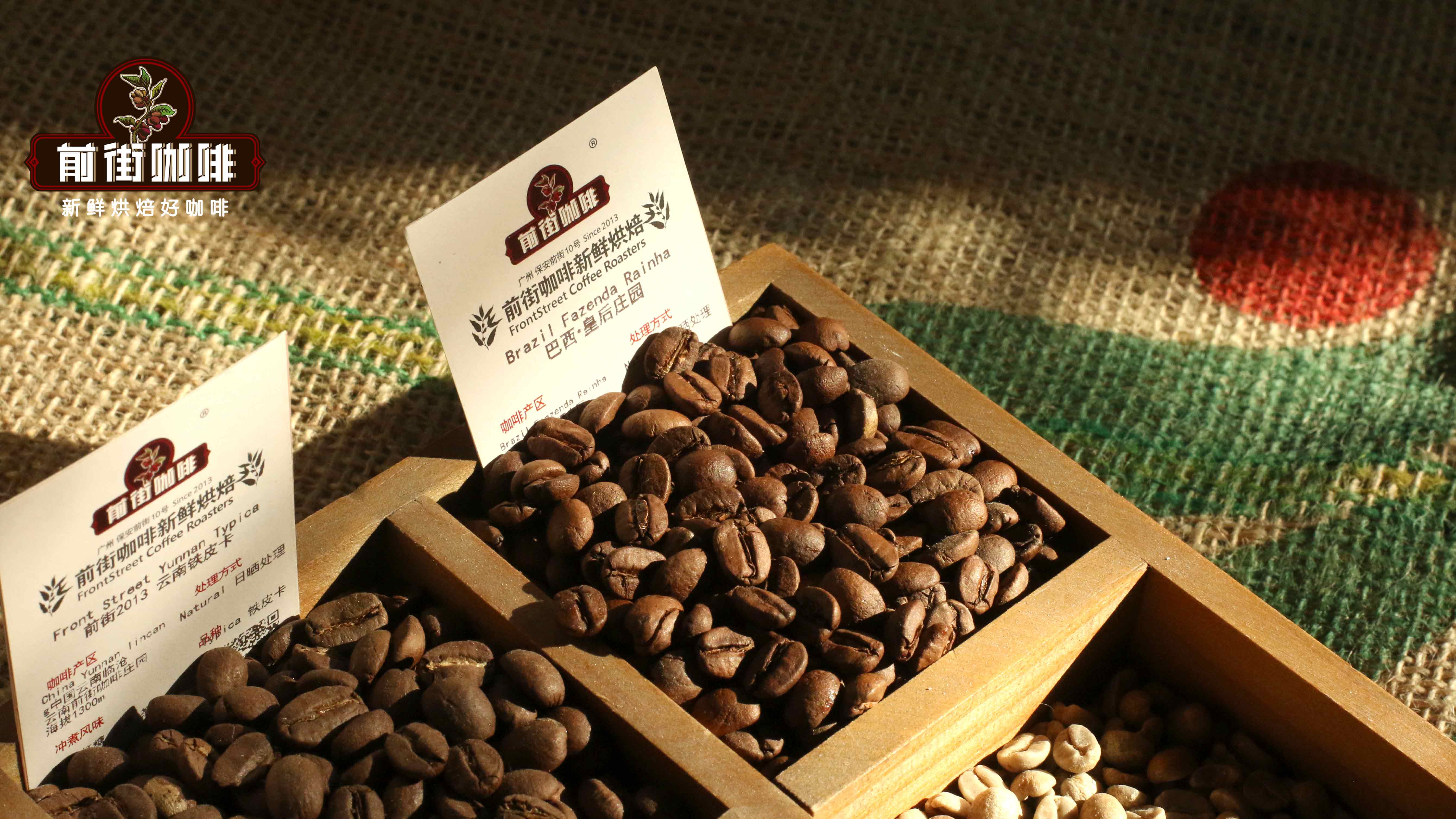
Let’s start with choosing your coffee beans. The extraction principle of the Moka pot is similar to that of an espresso machine—high-pressure hot water passing through a compact puck of coffee—so medium to dark roasted beans are the top choice. These beans, due to their darker roast level, retain abundant carbon dioxide inside, which helps form a rich crema layer. Additionally, the freshness of the coffee beans is extremely crucial; it's generally recommended to use them within 40 to 50 days after roasting. During this period, the beans' aroma and flavor are at their peak. After two months, gases gradually dissipate, and extraction performance noticeably declines.
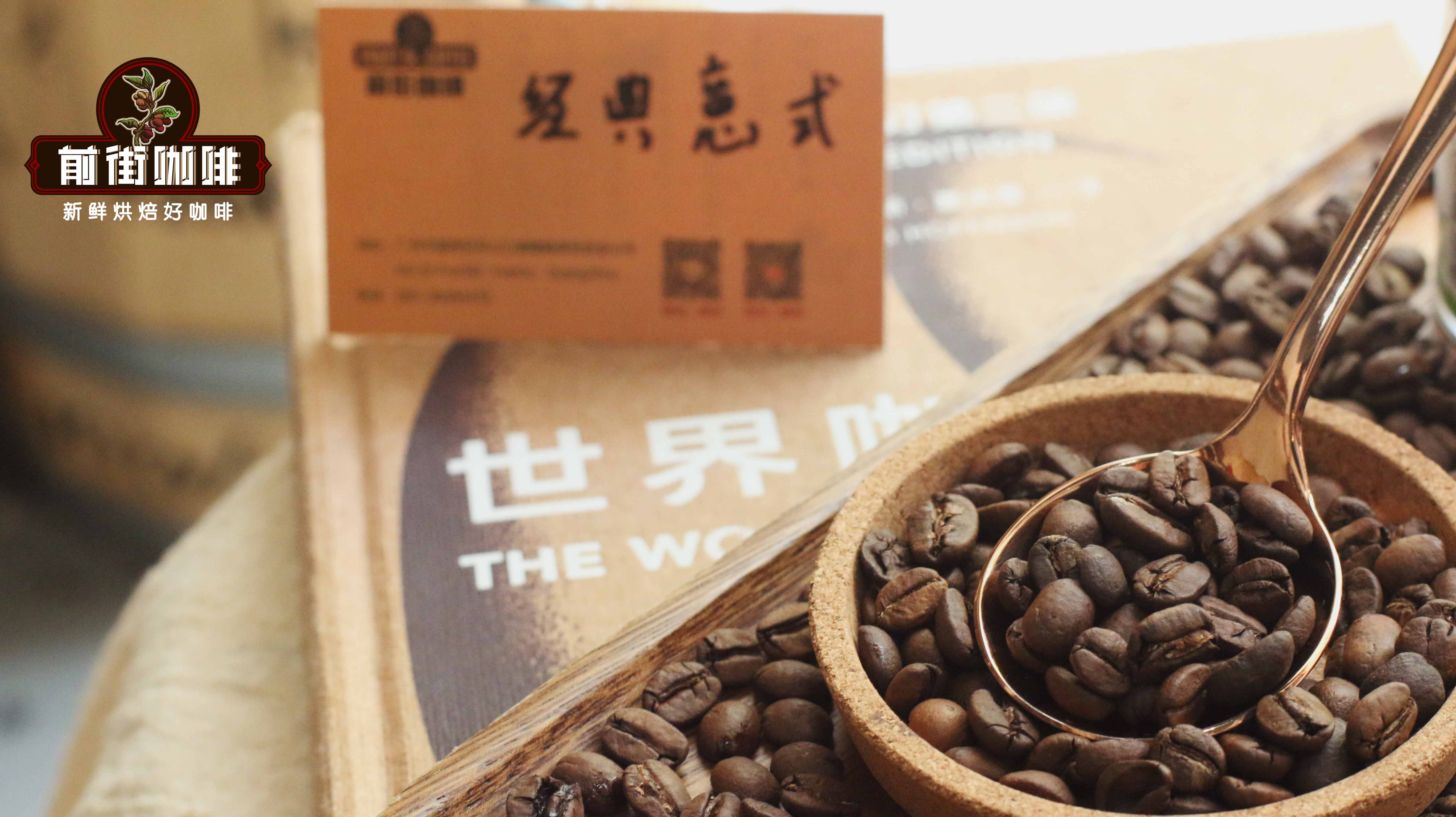
Coffee beans suitable for Moka pot use can be roughly divided into two categories: medium to dark roasted single-origin beans and classic Italian-style blends. If you want to savor the layered nuances of the coffee itself, choose single-origin beans—such as those grown at high altitudes and medium to dark roasted, often featuring complex notes of nuts, caramel, and cocoa. If you prefer the intense taste commonly found in cafés, then it's recommended to use Italian-style blends. These recipes typically combine beans from different regions and can deliver rich body and sweetness, while also making it easier to extract fine crema.

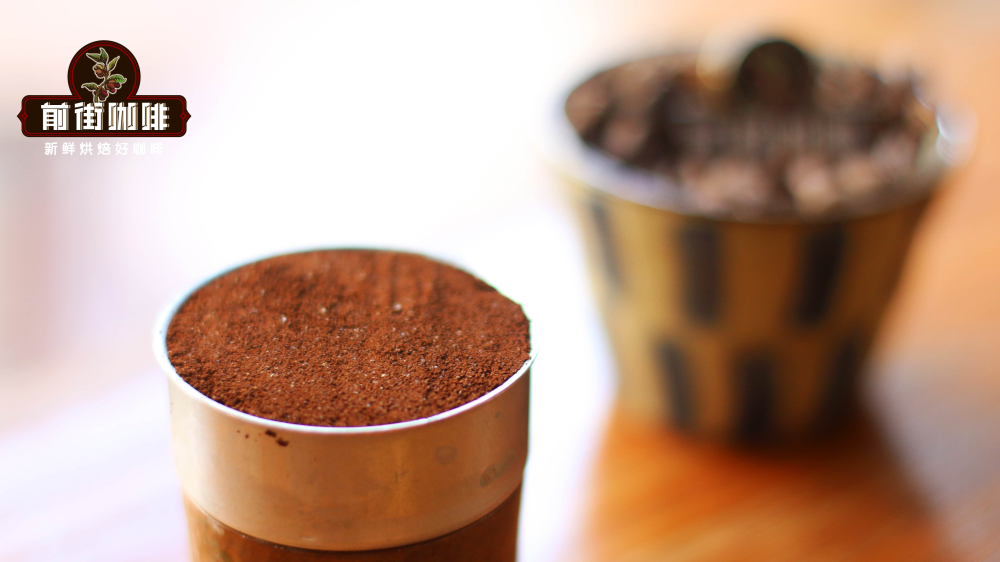
So, how fine should Moka pot coffee be ground? This is a common question for many beginners. If the grind is too coarse, water passes through too quickly, and the flavor compounds in the coffee aren’t fully extracted, often resulting in under-extraction. Conversely, if the grind is too fine, the resistance of the coffee bed becomes too great—not only increasing the risk of over-extraction, but also possibly causing excessive pressure that may unbalance the internal pressure of the Moka pot or even lead to a burst. It is recommended to grind the coffee to a particle diameter of about 0.3 to 0.55 millimeters, slightly coarser than the grind typically used for espresso machines, to ensure stable water flow while still providing enough resistance to bring out the oils and aromas.
Before using the Moka pot, you’ll need to prepare the following items: freshly ground coffee, water, the Moka pot itself, and a heat source. In most home settings, you can use an electric stove or an open flame, but when using an open flame, please be sure to pay attention to safety to avoid burns.
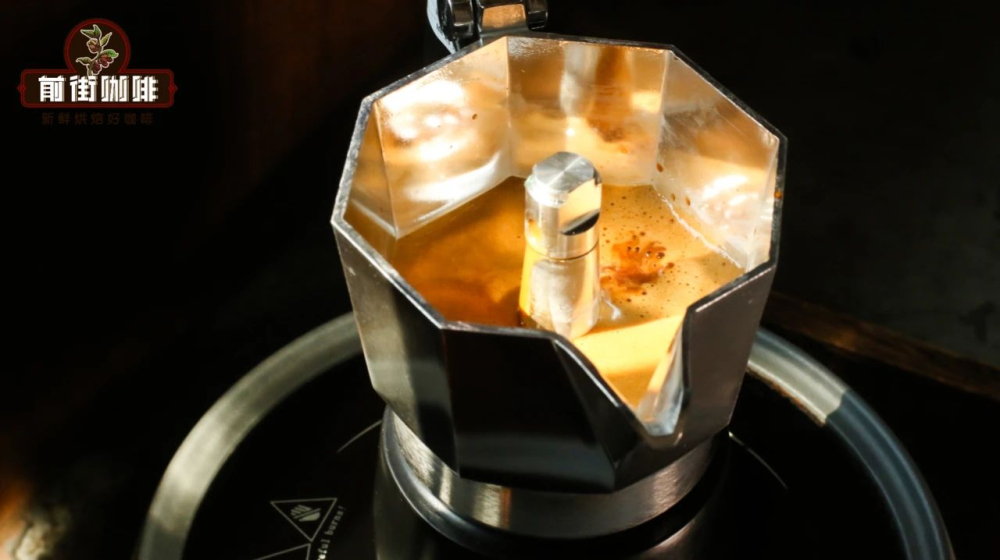
Next, here is a detailed step-by-step guide with visuals: First, pour an appropriate amount of hot water into the lower chamber. Using hot water can effectively reduce heating time. Then, add the ground coffee into the filter basket. It is recommended to fill it with about 18 grams of coffee grounds, and gently level the coffee surface to distribute the grounds evenly and minimize channeling. Note that if the coffee is ground finer, avoid pressing down too hard to prevent creating excessive resistance to water flow.
Then, firmly attach the upper chamber to the lower one. If the lower chamber contains hot water, it is advised to use a damp cloth for insulation to prevent burns. Next, place the Moka pot on the heat source and begin heating. When you hear a distinct hissing sound, it means the water has begun to turn into steam and is pushing the coffee upward—this is the time to immediately lower the heat to avoid excessive pressure, which can lead to uneven extraction or overly thin flavors.
When the coffee starts to flow out and reaches about half the total expected volume, you can turn off the heat and let the remaining heat inside the pot complete the final stage of extraction. This not only helps maintain flavor balance but also avoids the bitter and astringent over-extracted notes. Once brewing is complete, pour the coffee into a cup and let it sit briefly before enjoying.
If you find the coffee has a noticeable burnt or overly bitter taste, it’s usually a sign of over-extraction. Next time, try turning off the heat earlier or reducing the amount of coffee brewed. If the taste is too acidic with more off-flavors, it may be due to a grind that’s too coarse or under-extraction. You can adjust the grind size or slightly increase the brewed volume, and through multiple trials, find the parameters that best suit your taste.
The coffee brewed with a Moka pot is highly versatile. The simplest way to enjoy it is by adding hot water to make an Americano, ideal for those who prefer a pure coffee flavor. If you want a latte, just add about 60 to 65°C hot fresh milk to recreate the classic café balance of milk and coffee. For those who enjoy bold flavors, you can also add ice cubes and sweetened condensed milk to create a refreshing drink similar to Vietnamese iced coffee, offering a unique twist.
Whether you’re a coffee newbie just getting started or a hobbyist looking to enhance your home brewing skills, mastering the points above will allow you to consistently brew Moka pot coffee with crema and layered complexity. Feel free to experiment with beans from different regions and roast levels to embark on your own personalized coffee flavor journey.
The above content is compiled by CoffeeHunters, a coffee news website.


