







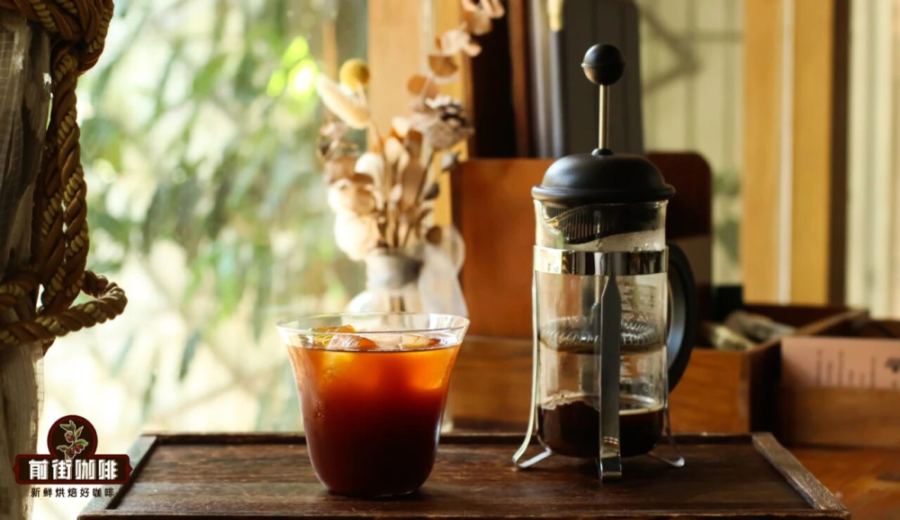
Introduction:The French press is the go-to brewing device for many coffee enthusiasts just starting out. It’s simple to use yet capable of producing a cup with rich layers and a full-bodied flavor. This article explains the key parameters of French press brewing—grind size, coffee-to-water ratio, water temperature, and steeping time—and walks you through practical examples to help you master the technique. Whether you’re a busy professional or a beginner, you’ll be able to easily brew a smooth, flavorful cup of coffee.
Thanks to its ease of use and excellent extraction performance, the French press has become a daily favorite for many coffee lovers. This immersion brewing method fully releases the oils, aromas, and layered flavors from the coffee beans, resulting in a rich and smooth cup that’s perfect for breakfast. Compared to other brewing devices, the French press more closely resembles the extraction logic used in professional cupping, allowing you to enjoy a café-quality experience at home.
When choosing coffee beans, the French press is particularly well-suited for medium to dark roast single-origin beans. These beans typically have a balanced acidity and sweetness along with a full body, making them a perfect match for the French press’s extraction characteristics. For example, medium to dark roasts from regions like Brazil, Colombia, Indonesia, or Costa Rica often feature notes of dark chocolate and fruit. Through the immersion process of the French press, their oils and bold flavors are fully showcased. In contrast, light roast beans, which emphasize floral, fruity notes, and bright acidity, may taste dull when brewed in a French press. For these, a pour over method with a filter dripper is recommended to better highlight their unique qualities.
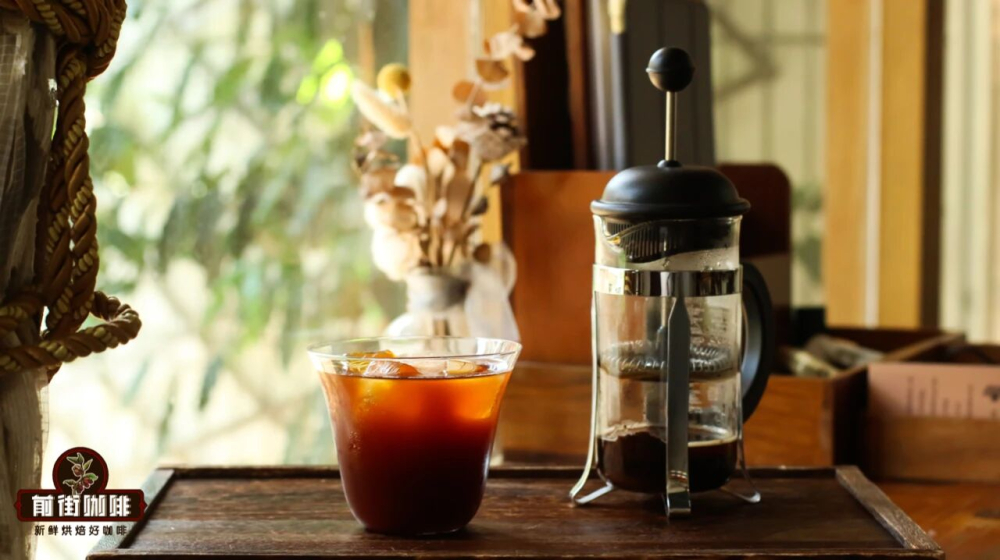
Take, for example, a medium to dark roast bean such as Colombian Huila. It can fully demonstrate the potential of the French press. Grind size is one of the key factors affecting extraction. It’s recommended to use a medium-coarse grind, slightly coarser than what you’d use for pour over. The standard sieve should have a70% to 75%pass-through rate. If the grind is too fine, coffee particles can pass through the French press filter, resulting in a cloudy brew and affecting the taste.
For the coffee-to-water ratio, it’s recommended to start with1:10, taking a two-person serving as an example: about20 grams of coffee grounds to 200 grams of hot water. This ratio is ideal for those who prefer a stronger cup. If you prefer a lighter brew, you can adjust to1:16, such as15 grams of coffee grounds to 240 grams of water. Using a digital scale allows for more precise control, especially when you’re searching for your personal ideal flavor profile—recording each set of parameters will help with future adjustments and replicating successful results.
Water quality is also crucial. It’s recommended to use fresh, filtered soft water, such as commercially available mineral water. Avoid hard water with impurities or high mineral content, as it can negatively impact extraction and flavor. After boiling the water, let it cool slightly to around93°C, which is the typical brewing temperature for French press and helps balance acidity, sweetness, and body.
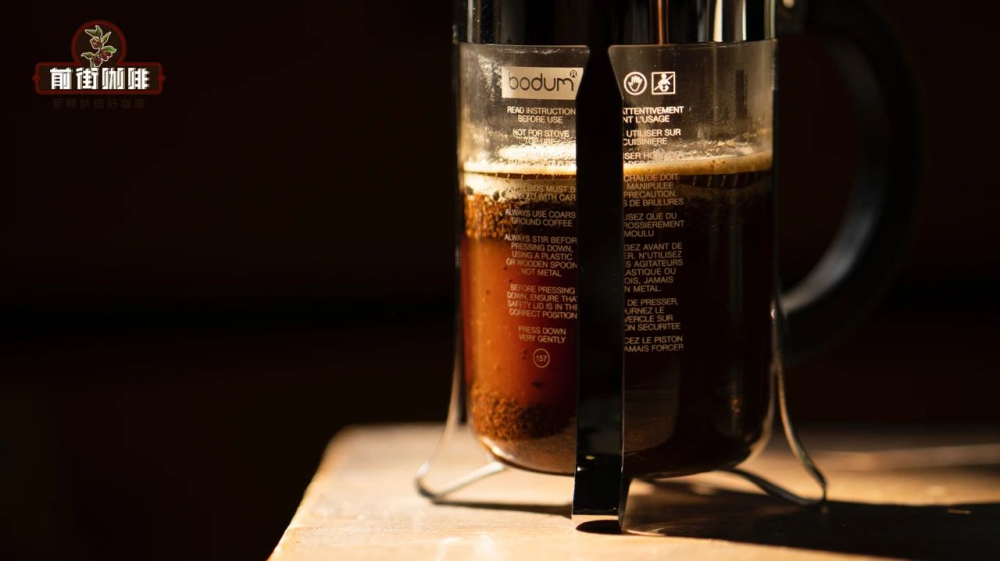
For the actual brewing steps, first add the ground coffee to the French press—there’s no need to worry too much about minor differences in grind size, as long as it remains medium-coarse. Then, heat the water to the appropriate temperature and pour it over the coffee grounds. It’s recommended to gently stir with a spoon to ensure even contact between the coffee and water. Next, place the lid on the French press but keep the plunger pulled all the way up, allowing the coffee to steep forabout 4 minutes—this is the crucial period for flavor extraction.
Once the steeping time is complete, it’s recommended to open the lid and skim off any coffee grounds or foam that may have floated to the surface with a spoon. This helps achieve a clearer and cleaner final cup. Then, slowly and steadily press the plunger down to the bottom at a consistent speed to avoid over-extraction or sediment mixing into the brew due to excessive speed. After pressing, it’s best to pour the coffee into your cup immediately to prevent over-steeping and increased bitterness from the grounds remaining in the French press.
The French press is not only simple to use but also eco-friendly and economical—you don’t need paper filters or electricity, and cleanup is a breeze. More importantly, it preserves the natural oils in the coffee, delivering a rich texture and aroma in every sip. It’s perfect for busy professionals who want a great cup of coffee without slowing down. As long as you get the hang of the key elements—grind size, ratio, water temperature, and time—even beginners can easily master the French press and enjoy a satisfying cup.
The above content is compiled by CoffeeHunters, a coffee news website.


