







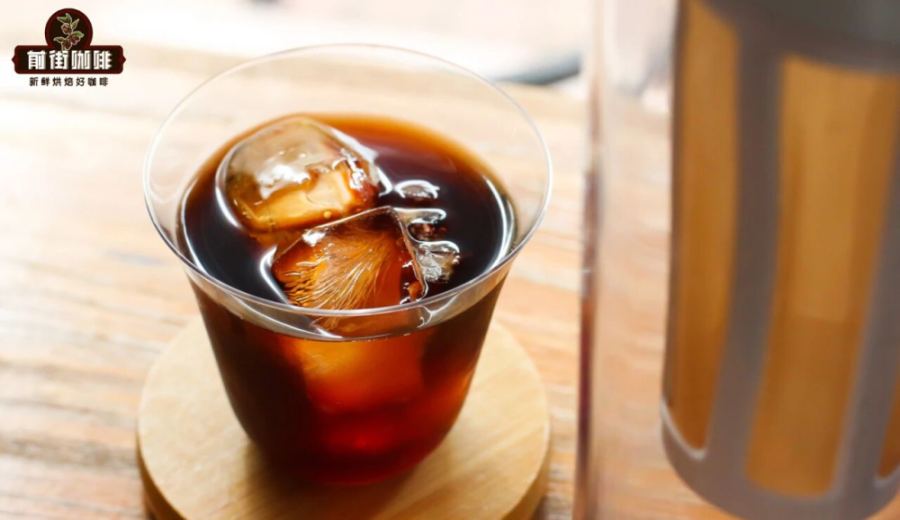
Introduction:Have you ever been confused about what exactly falls under the category of "black coffee"? This article delves into the core definition of black coffee, covering common brewing methods such as pour over, French press, and cold brew, and clearly distinguishing it from flavored coffee drinks to help you make more precise choices and better understand every cup of pure black coffee in your hand.
What is black coffee? Simply put, it refers to any coffee beverage made solely from coffee beans and water, without the addition of milk, sugar, or other flavorings. This definition encompasses a variety of pure coffee styles produced through different brewing methods, such as pour over, French press, siphon, cold brew, and even classic Americano. As long as a cup of coffee contains only coffee and water—regardless of the equipment or technique used—it can be classified as black coffee.
In contrast, flavored coffee is created by adding ingredients such as milk, syrups, alcohol, spices, or cream on top of black coffee, further enriching its taste and aroma. Common examples include lattes, cappuccinos, and mochas. Understanding the difference between these two can help you communicate your preferences more clearly when ordering at a coffee shop.
Many people mistakenly assume that "black coffee" refers specifically to one type of drink, such as Americano. However, black coffee is actually a broad general term that does not specify the brewing method or flavor profile. While Americano is indeed one of the most common types of black coffee, the scope of black coffee goes far beyond that. Additionally, black coffee is often referred to as "斋啡" (literally "fasting coffee"), especially in Hong Kong and Macau, where the term is more aligned with local language usage.
Why is it called "black coffee"? As the name suggests, this type of coffee has a deep, near-black color, which is a natural visual effect resulting from its high concentration. However, the actual color can vary depending on the coffee bean variety, roast level, and brewing method, ranging from dark brown to nearly pitch black.
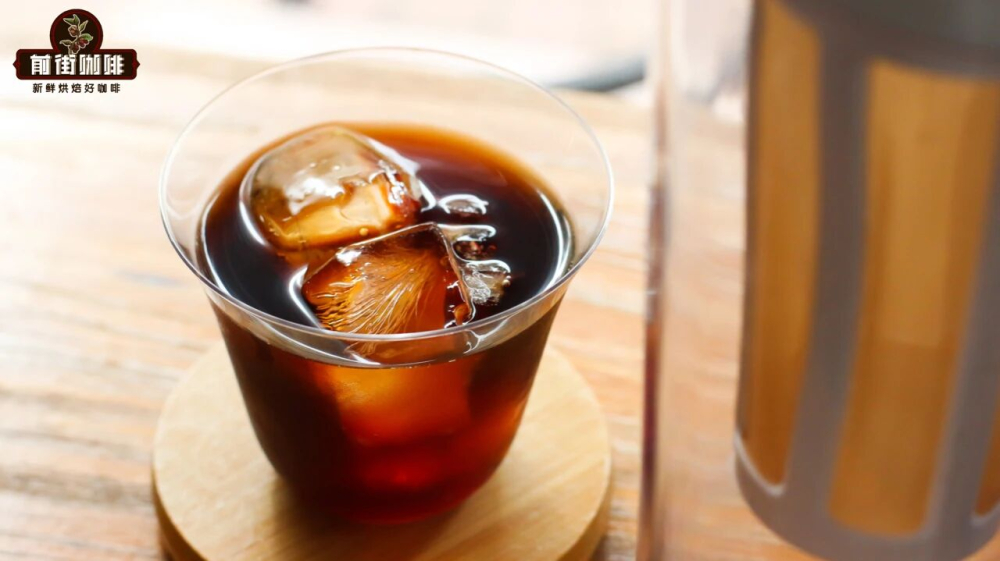
Among various types of black coffee, Americano is the most widely recognized. It is made by diluting espresso with hot water, retaining the strong flavor of the espresso while reducing its overall intensity, making it suitable for those who enjoy pure coffee but do not want to consume a highly concentrated drink all at once. For making Americano, it is recommended to use medium-dark to dark roasted blends, such as common combinations of Brazilian, Sumatran, and Vietnamese beans. These beans offer a rich, low-acid profile with notes of chocolate and nuts, which are further highlighted when combined with hot water.
It’s important to note that while Americano does fall under the category of black coffee, black coffee is not equivalent to Americano. In other words, black coffee is a broader classification that also includes many other methods of producing pure coffee, such as pour over black coffee made using a pour over dripper with paper filtration, or siphon coffee extracted via steam pressure. As long as the process uses only coffee grounds and water—whether hot or cold—the resulting coffee can be classified as black coffee.
Other common types of black coffee include: French press coffee, Moka pot coffee, siphon extraction, as well as the increasingly popular cold brew and ice drip coffee. Each of these methods has its own recommended brewing time, water temperature, and grind size. For instance, pour over typically calls for a medium-coarse grind, with water temperature around 90–94°C and a brewing time of 2 to 4 minutes to balance flavor and acidity. Cold brew, on the other hand, usually involves a coarse grind and cold water steeped for up to 12–24 hours, making it more suitable for those who prefer low-acid, smooth flavors.
Returning to the definition of "flavored coffee," these drinks are generally made by adding one or more flavoring ingredients on top of black coffee, such as milk, whipped cream, syrups, caramel, chocolate, vanilla, cinnamon, or even alcoholic beverages. Popular flavored coffee drinks include lattes, cappuccinos, mochas, flat whites, con panas, macchiatos, and café au lait—all of which come with their own unique ingredient ratios and presentation styles.
Additionally, based on regional drinking preferences or seasonal creativity, flavored coffee may also be prepared in cocktail-style mixes—referred to as "coffee specials"—combining fruits, teas, or flavored syrups to create multi-layered taste experiences similar to cocktails. However, these drinks have moved beyond the traditional scope of black or pure coffee, leaning more toward creative or novelty beverages.
Finally, a reminder: when ordering at a coffee shop, simply saying “I’d like a black coffee” might get you an Americano, but depending on the shop’s definition, you could also receive other types of black coffee such as long black or pour over. If you have specific preferences regarding flavor or format, it’s best to clarify further—such as “Please give me a hot pour over coffee without milk” or “I’d like an iced black coffee, no sugar”—to ensure you get the drink you expect.
The above content is compiled by CoffeeHunters, a coffee news website.


