







Introduction:Brazilian Santos coffee beans are widely loved for their rich sweetness, low acidity, and intense nutty profile, making them one of the most renowned Brazilian bean representatives globally. This article begins with the historical origins of Brazilian coffee, exploring how it rose to become the world’s largest coffee-producing country. It also provides an in-depth comparison of two classic Bourbon varieties — the Yellow Bourbon from Fazenda Rainha and the Red Bourbon from Cerrado — covering aspects such as terroir, processing methods, roasting recommendations, and pour over parameters to help you grasp the classic characteristics and brewing techniques of Brazilian beans.
Brazilian Santos coffee beans are often the first Brazilian beans many coffee beginners encounter, and with theirrich, smooth body and low acidity,along with prominent nutty and chocolate notes, they have become the top choice for consumers who prefer less acidity. This well-known bean variety is not only one of Brazil’s coffee representatives but also an important benchmark in the global market.
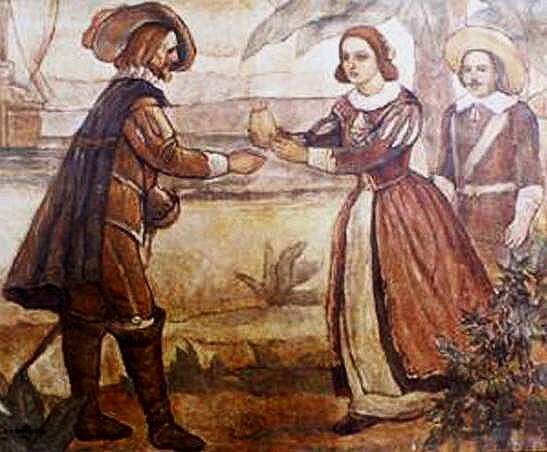
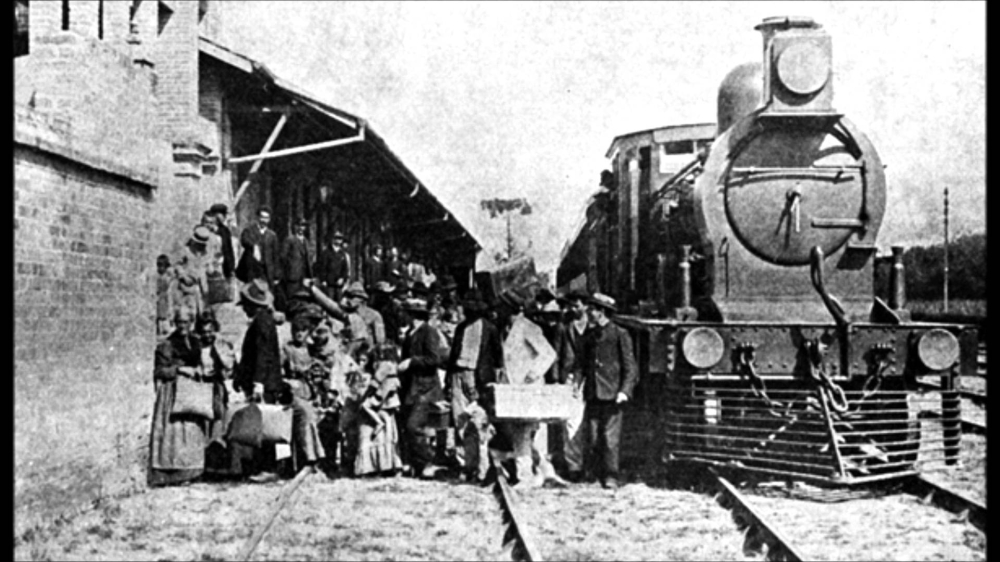
 The history of coffee cultivation in Brazil dates back to the 18th century. Legend has it that in 1727, a Portuguese officer named Francisco, while resolving a territorial dispute in Guyana, received a bouquet containing coffee seeds from the governor’s wife. These seeds later took root in Brazil, marking the beginning of the Brazilian coffee industry. With events like the American Revolutionary War and the Civil War driving up coffee demand, Brazil seized the opportunity to rapidly expand its planting scale, eventually becoming the world’s largest coffee supplier.
Interestingly, early Brazilian plantations were dominated by the Typica variety, but due to its limited yield, it struggled to meet the rapidly growing market demand. As a result, Brazil introduced theBourbon varietyfrom Réunion Island. This mutation boasts higher yields and more consistent quality, and by the late 19th century, it had become the mainstream. To this day, Bourbon remains one of the key varieties in Brazilian specialty coffee, further divided into Red Bourbon and Yellow Bourbon types.
 Brazil has six major coffee-growing regions, including Minas Gerais, São Paulo, Espírito Santo, Bahia, Paraná, and Rio de Janeiro. Among them,Minas Gerais is the largest producing region,while sub-regions like Mogiana and Cerrado in São Paulo are known for their stable quality and unique microclimates.
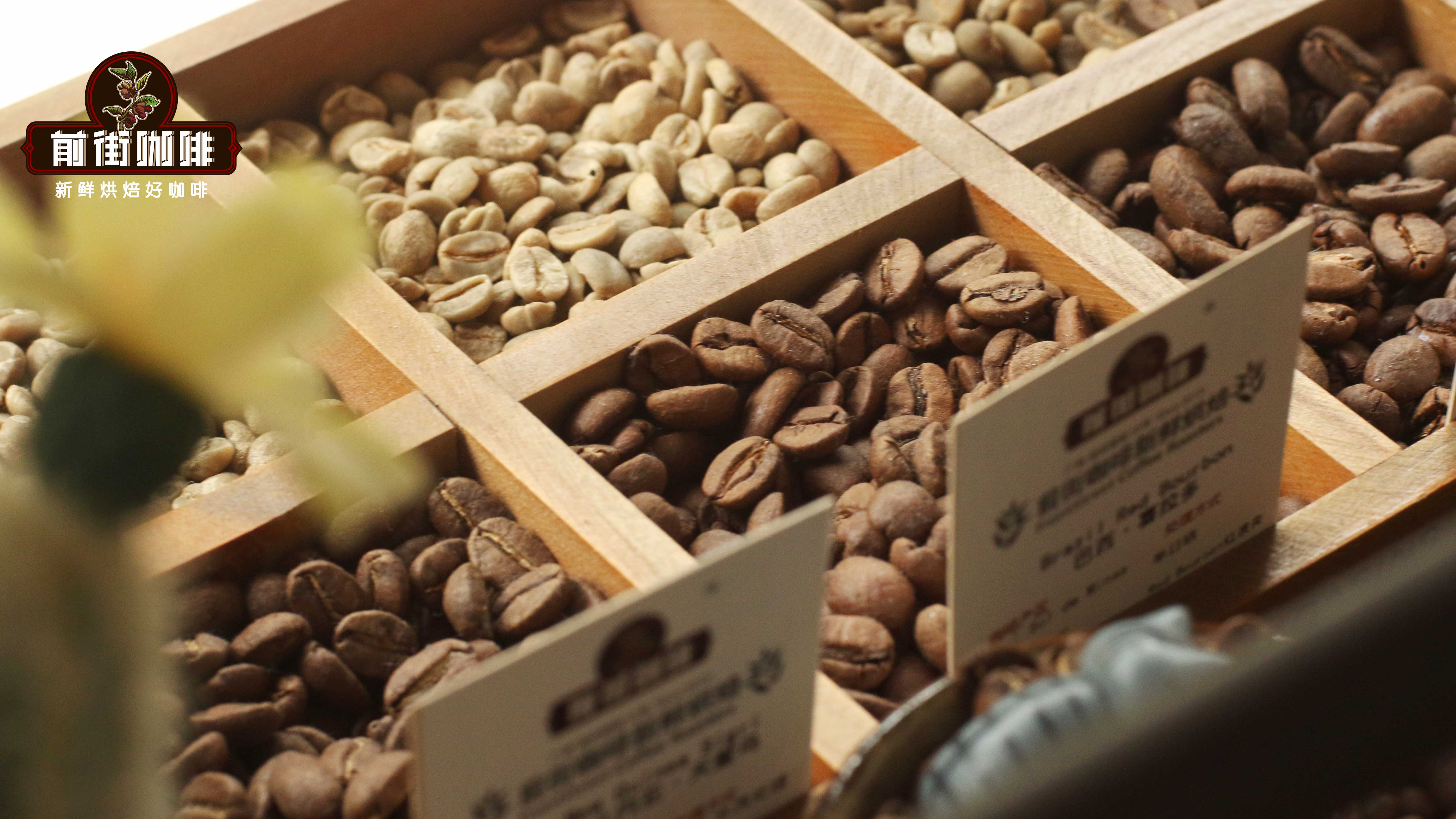
In the bean menu of one coffee shop, Brazilian beans mainly consist of Bourbon varieties, including the Yellow Bourbon from Fazenda Rainha and the Red Bourbon from the Cerrado region. Although both beans originate from the Bourbon family, they exhibit distinctly different flavor profiles due to differences in variety, altitude, processing method, and terroir.
 Brazilian Fazenda Rainha Yellow Bourbon
Region: Mogiana Region, São Paulo State, Brazil
Altitude: 1400–1950 meters
Variety: Yellow Bourbon
Processing Method: Natural Yellow Bourbon is considered a natural mutation of the Bourbon variety, first recorded in São Paulo State in 1871. Compared to Red Bourbon, Yellow Bourbon has a thicker mucilage layer, thus containing more sugars, which results ina sweeter taste and brighter flavors,often featuring fresh aromas like lemon and honey. Fazenda Rainha is located in the Mogiana area at a moderate altitude, with diverse terrain and stable climate, plus carefully selected Yellow Bourbon cultivation, contributing to its distinctive flavor expression. This coffee is processed usingsmall-batch natural processing,where ripe cherries are evenly spread on raised beds to avoid ground contact and unwanted odors, with constant turning ensuring even drying while reducing risks of fermentation flavors and excessive acidity. Though more time-consuming and labor-intensive, this method effectively enhances sweetness and flavor complexity.
Brewing Recommendation: Use a KONO filter, with water temperature controlled at 88°C, a brew ratio of 1:15, and medium-coarse grind (approximately 75% through a #20 sieve). Start with a 30-second bloom using 30 grams of water, then slowly circle-pour from the center to reach 125 grams. When the coffee bed begins to show, continue pouring to 225 grams. Total extraction time is about 2 minutes. In terms of flavor, this bean displaysrich nutty aroma, distinct cane sugar sweetness, and subtle lemon notes,with a finish that carries black chocolate undertones. The overall mouthfeel is smooth and layered.
 Brazilian Cerrado Red Bourbon
Region: Cerrado Region, Minas Gerais State, Brazil
Altitude: Approximately 1100 meters
Variety: Red Bourbon
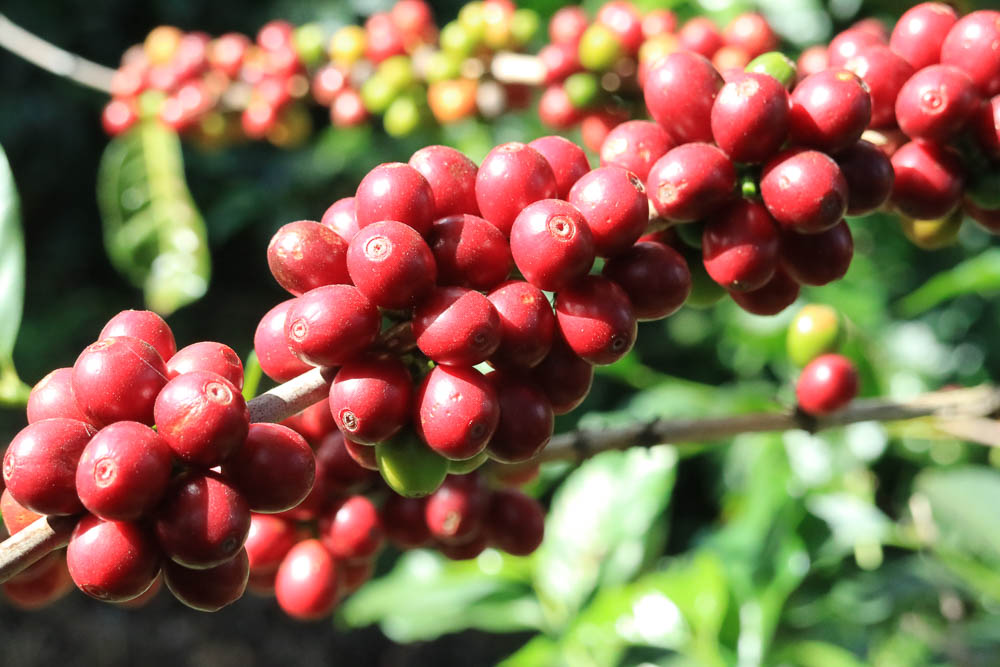
Processing Method: Pulped Natural (Semi-washed) The Cerrado region belongs to Minas Gerais and is not only one of Brazil’s largest coffee-producing areas but also the first to receive origin certification. Its geography and microclimate contribute to stable and distinctive flavors. The Red Bourbon from Cerrado, although also part of the Bourbon family, presents a completely different character compared to Yellow Bourbon due to its different processing method. The Pulped Natural method(also called honey pulping or skin removal natural) originated in Brazil as a compromise to offer near-washed quality with a fuller body under limited water availability and cost constraints. This technique removes the skin and pulp but retains some mucilage for sun drying, shortening drying time while increasing sweetness and fruitiness. This method was later adopted by Costa Rica in the development of honey processing. This Cerrado Red Bourbon coffee carries a typical Brazilian style,with a rich, full-bodied texture and pronounced sweetness,commonly showcasing flavors such as roasted peanuts, nuts, caramel, and a creamy, silky mouthfeel. It has excellent balance, suiting the taste preferences of most coffee drinkers.
Brewing recommendations are similar to those for Fazenda Rainha Yellow Bourbon, also favoring a KONO filter, with water temperature at 88°C, a brew ratio of 1:15, and medium-coarse grind. The brewing steps remain the same, effectively highlighting its full-bodied nuttiness and sweet aftertaste. In terms of flavor, this bean exhibitsstrong roasted peanut and nut aromas, along with distinct caramel sweetness,offering a silky-smooth mouthfeel and a warm, rounded finish.
The above content is compiled by CoffeeHunters, a coffee news website.


