








Introduction:The pairing of cream and coffee has a long-standing tradition, evolving from 17th-century Austrian cream coffee to today’s popular Korean-style Vienna-style coffee. Flavors and techniques have continually developed. This article delves into the origins and differences between Vienna coffee and espresso con panna, analyzes their connection to cappuccino, and provides detailed steps for making cream coffee along with recommended coffee beans—so you can easily brew a richly layered, full-flavored cream coffee at home.
Blending silky cream with strong coffee is a combination that has been beloved since the 17th century. From the original cream coffee born on the streets of Austria to the trending Korean-style cream coffee on social media, this classic pairing continues to charm. This article will guide you through the historical background of cream coffee, compare the similarities and differences between Vienna coffee and espresso con panna, and detail their preparation methods. It also recommends coffee bean varieties ideal for making cream coffee, so you can easily brew an exceptionally flavorful cup either at home or in the office.

Cream is known for its delicate texture and smooth mouthfeel. When consumed alone, it can sometimes feel overly sweet or rich, but when paired with coffee, it achieves an excellent balance. In the world of coffee, "cream" refers not only to the actual ingredient added but is also often used to describe the silky-smooth texture of the coffee or the gentle aftertaste it leaves. Moreover, cream is frequently used as a decorative element to enhance a drink’s visual appeal and serves as a key source of inspiration for many creative coffee beverages.
To trace the earliest record of the combination of cream and coffee, one must look beyond modern fancy coffees and go back several hundred years. Historical records indicate that the first instance of adding cream to coffee originated in Austria. In 1684, a Pole named Jerzy Franciszek Kulczycki, for his meritorious service during the Siege of Vienna, was rewarded with a bonus and a large quantity of coffee beans left behind by the Turkish army. He opened the Blue Bottle Café in Vienna, initially using the Turkish brewing method, but as it did not suit Austrian tastes, he gradually refined the recipe.
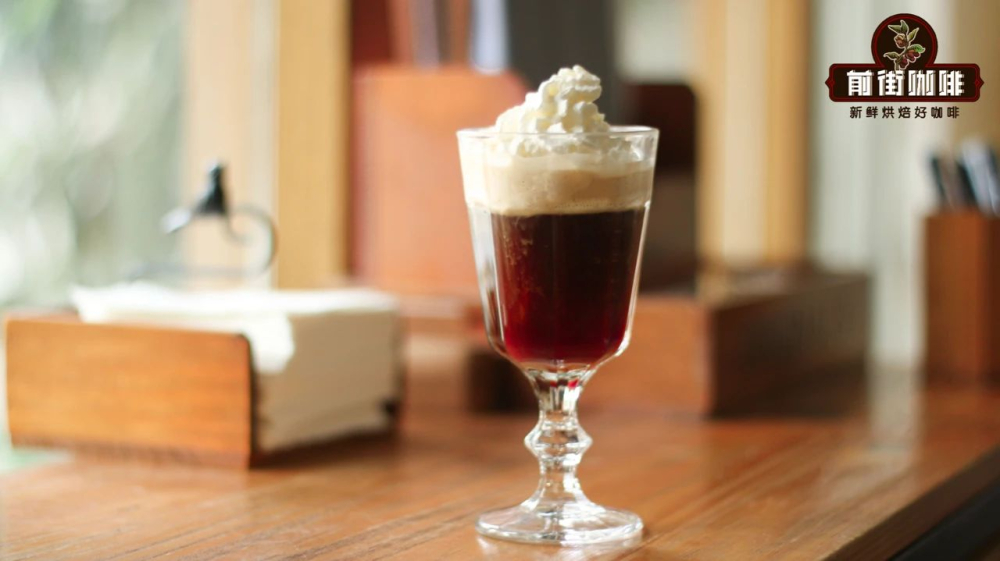
Kulczycki filtered out the coffee grounds and added cream, honey, and spices to create a coffee more suited to local palates. This new-style coffee was typically served in small glass cups, and the mixture presented an enchanting reddish-brown color, similar to the robes of Capuchin friars, hence it was called Kapuziner, or “Capuchin.” As this coffee spread to Italy and evolved with the use of espresso machines, it gradually transformed into the modern cappuccino, which uses espresso as its base and replaces the original ingredients with whipped cream or steamed milk. This shows that today’s popular cappuccino actually originates from early cream coffee.
Although the Capuchin has since developed many variations, the original form of cream coffee did not disappear. Instead, it has continued to this day in the forms of Vienna coffee or espresso con panna, still enjoyed in coffee shops around the world.
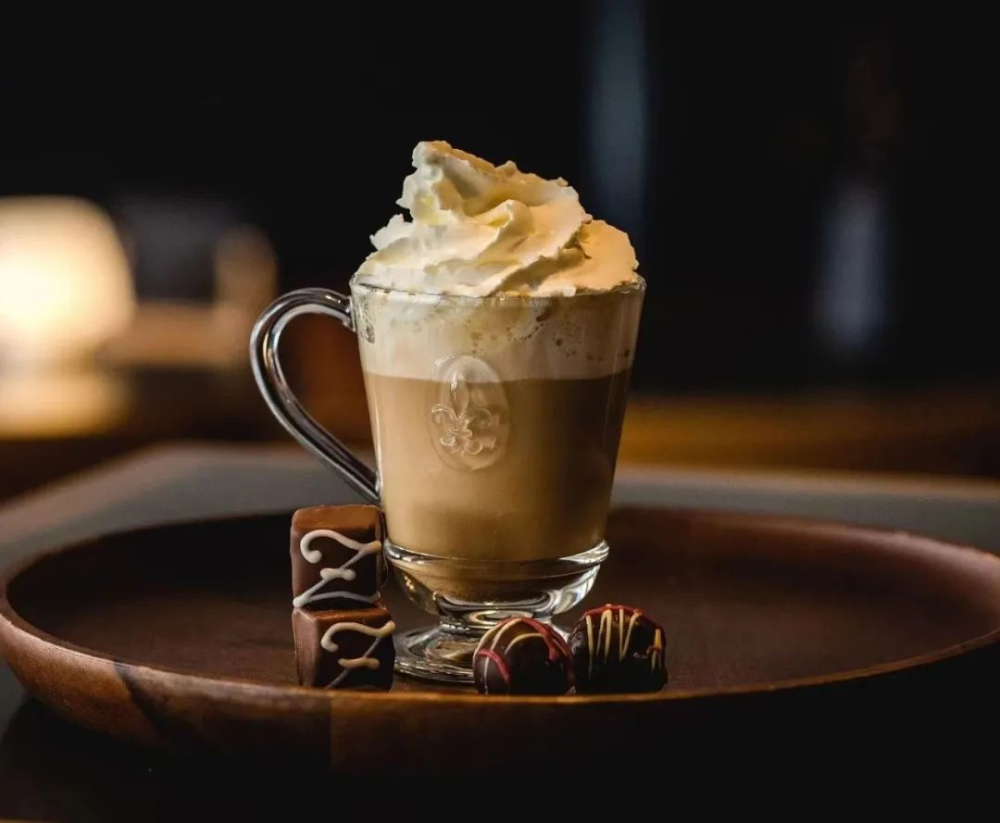
Espresso con panna is the simplest form of cream coffee, with its name directly translating to “espresso with cream.” To make it, simply top a freshly brewed shot of espresso with about two to three spins of whipped cream. No stirring is required—just drink it as is. The cool cream adds a marshmallow-like softness to the intense, bitter coffee, resulting in an even smoother layering. However, due to its strong flavor profile, it is considered a bold coffee and may not be to everyone’s taste.
In contrast, Vienna coffee is a more popular form of cream coffee, originating in Austria. It was initially created to help coachmen quickly recharge their energy during cold night drives. As such, in addition to espresso and cream, it also includes sugar and other high-calorie ingredients, delivering a drink that simultaneously energizes, warms, and satisfies.
The traditional preparation method for Vienna coffee is not complicated. Typically, a stem glass with a handle is used. Start by adding about one teaspoon of white granulated sugar, then pour in about half the cup’s capacity with espresso. Next, top with freshly whipped cream until fluffy, and finally, sprinkle cinnamon powder, chocolate shavings, or cookie crumbs as desired to add flavor and visual dimension.

Modern versions of cream coffee have evolved with more creative variations. For example, a hidden menu item from a certain chain coffee brand, “Iced Americano with Light Cream,” is a simplified version of the traditional Vienna coffee, consisting only of ice, coffee, and whipped cream. It is simple to prepare yet refreshing in flavor. It is recommended to use a certain Italian-blend series of coffee beans to fully highlight the complementary characteristics of cream and coffee, making it especially suitable for home or office environments. If you prefer a chocolatey profile, you might opt for a certain brand’s dark cocoa-based blend. For balanced flavors, that same brand’s commercial blend, premium blend, or classic blend are all great choices.
These cream coffees, against the backdrop of ice, allow the thick, unmixed cream to slowly sink into the coffee, creating an enchanting layered effect. A single sip offers both the sweetness of the cream and the depth of the coffee, delivering a richly layered flavor experience.
Beyond traditional methods, Korean cafes have also introduced innovative versions of Vienna coffee. With their unique cream designs and high aesthetic appeal, they’ve garnered widespread praise on social platforms. The cream for these coffees needs to be pre-whipped to a yogurt-like thickness, then layered into the coffee. While the process may be slightly more involved, mastering the key points allows for easy replication.
To prepare it, start by whipping about 80 grams of light cream with 15 grams of vanilla-flavored syrup using a mixer until it reaches a semi-solid consistency—similar to yogurt, with a slightly peaked surface that holds firm. Then, take a small cup, add 50 grams of ice, pour in about two-thirds full with milk, and top with the freshly whipped vanilla cream. Finally, extract a double shot of espresso and slowly pour it over the cream.
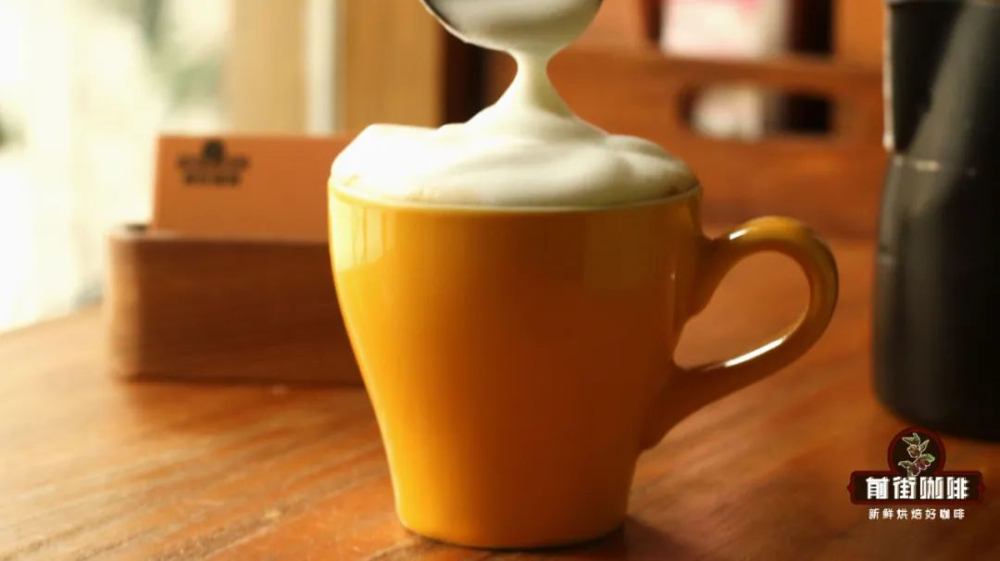
Lastly, use a spoon to scoop 1–3 dollops of the vanilla cream, gently place them on the surface of the coffee, and sprinkle cocoa powder according to preference. Your Instagram-worthy Korean-style Vienna coffee is complete. This coffee not only has an eye-catching appearance but also combines the creaminess of the cream with the richness of the coffee—a perfect choice for photo sharing or enjoying a relaxing moment.
The above content is compiled by CoffeeHunters, a coffee news website.


