







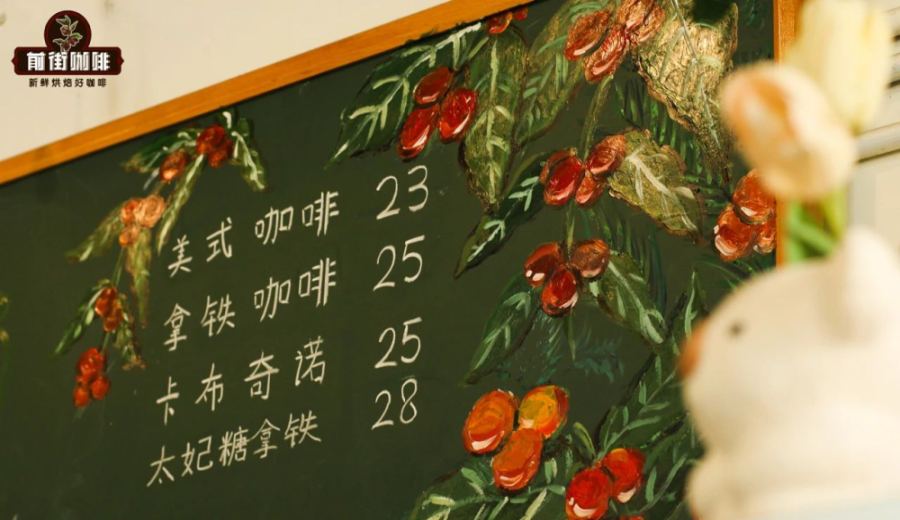
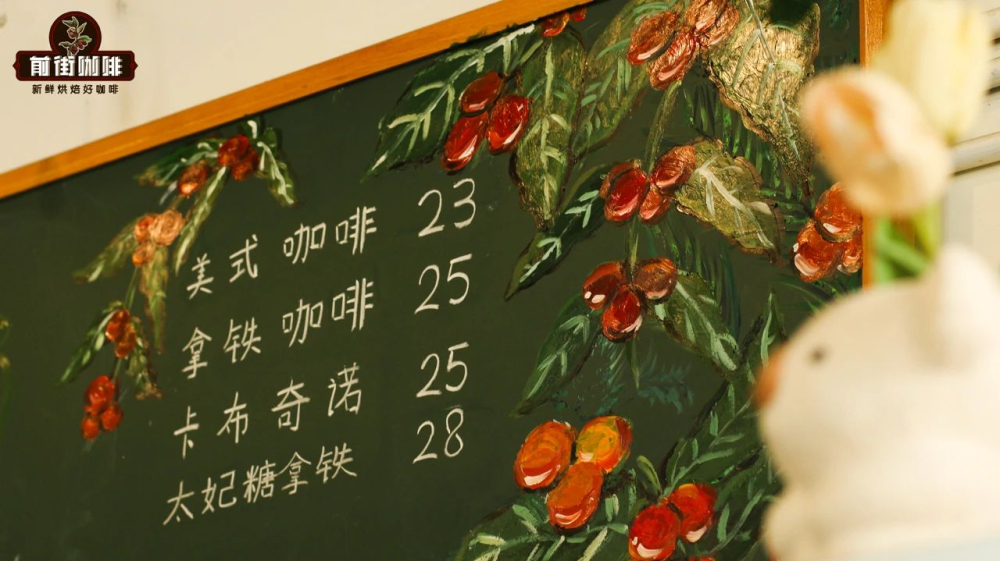
Introduction:Walking into a coffee shop, do you often feel overwhelmed by the wide variety of coffee options? This article explains the classification logic of common coffee beverages in detail—from espresso, drip coffee, to pour over, cold brew, and creative specialty drinks. It breaks down the base, extraction parameters, flavor characteristics, and practical differences of each type, and also includes expert-level bean pairing suggestions to help you find the perfect cup based on your taste preferences and occasion needs.
Stepping into a coffee shop, the array of options from Americano, latte, to Dirty, and cold drip can often leave you hesitating. In fact, these popular drinks can be grouped into three main categories: espresso-based Italian coffee, drip coffee that emphasizes clean flavors, and cold brew series that use low-temperature slow extraction. Understanding their production principles and key differences can help you choose your desired flavor more precisely.
[The Espresso Family: Endless Variations Based on Espresso]
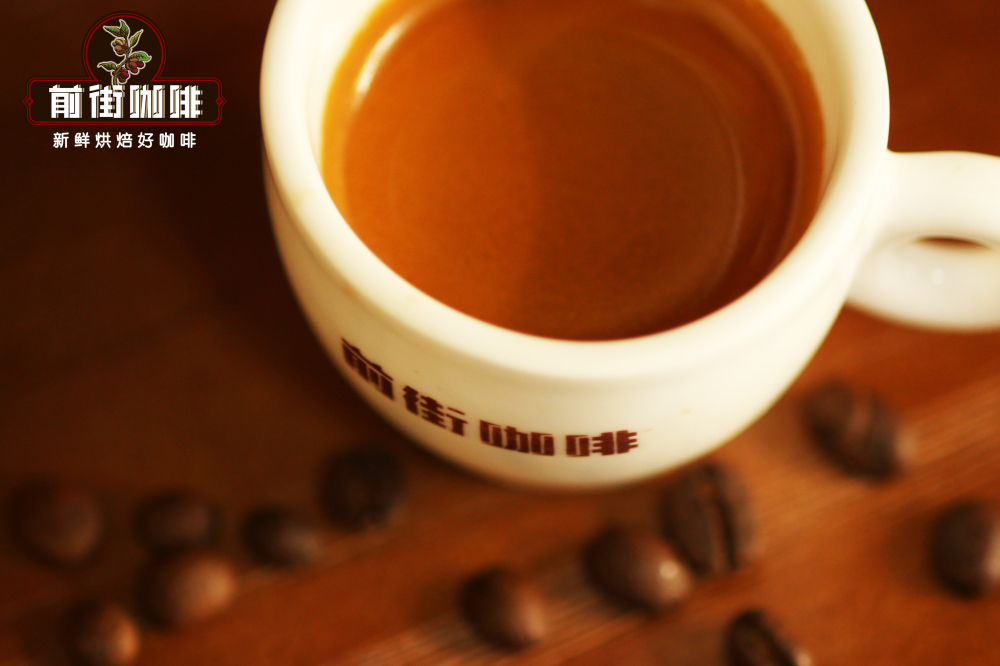
Espresso is made by extracting highly concentrated, rich-crema coffee liquid under high pressure, most commonly using 9Bar pressure to extract extremely finely ground coffee. This base can be extended into many variations by adding ingredients such as hot water, milk, milk foam, or chocolate, adjusting the ratios to create familiar drinks like latte, cappuccino, Americano, or Dirty.
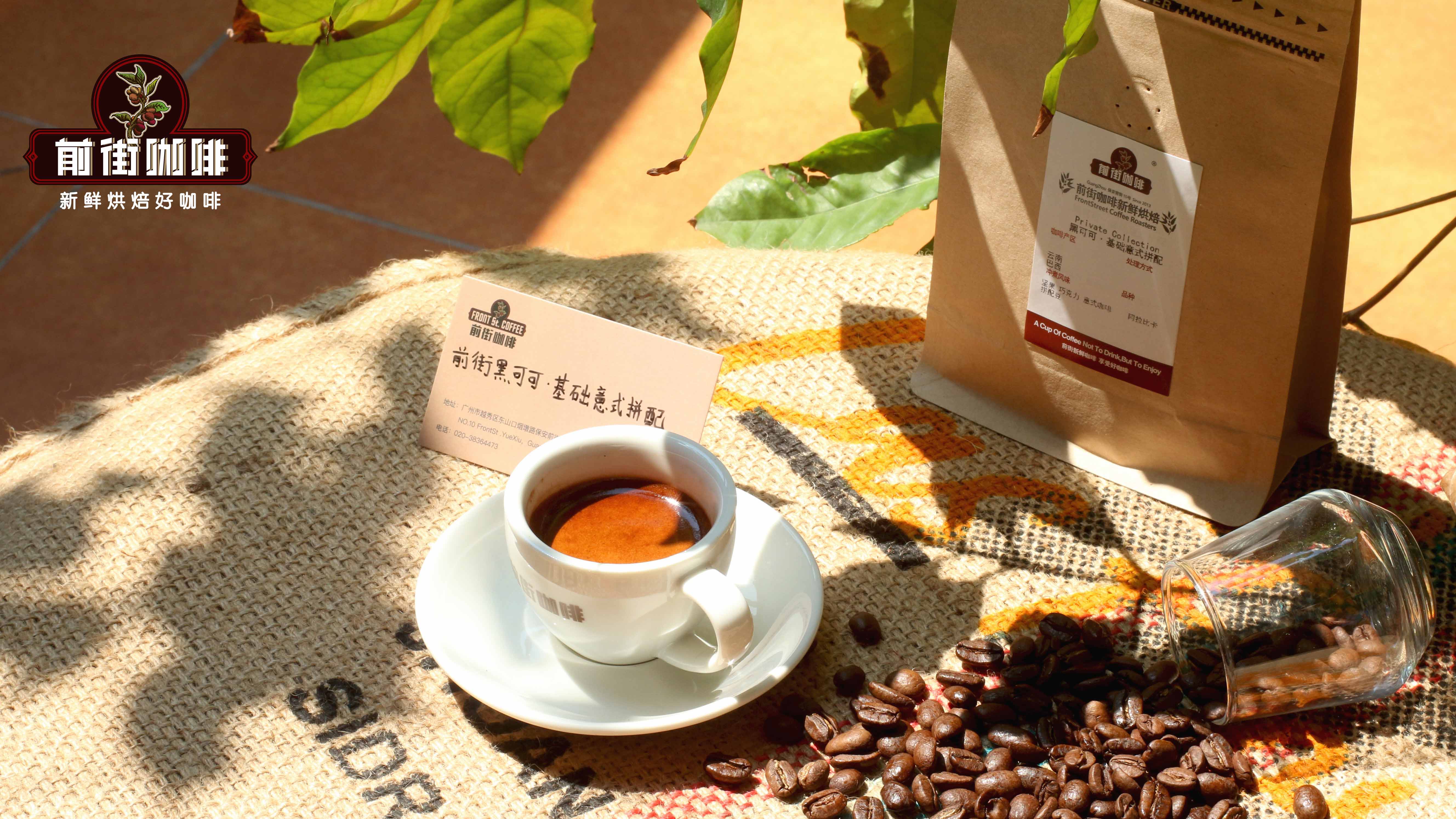
When making espresso, commonly used blends combine Yunnan washed beans with Brazilian semi-washed beans, offering acidity notes of nuts and ripe plums, along with aromas of creamy chocolate and cocoa cookies. The crema presents a beautiful golden yellow, suitable for both commercial shops and home machines. The typical double shot espresso extraction parameters are 19–20 grams of coffee grounds yielding 35–40 grams of liquid in about 28–35 seconds; a single shot uses 11–12 grams of coffee yielding 20 grams of liquid in 18–23 seconds, with actual values adjusted slightly based on equipment.
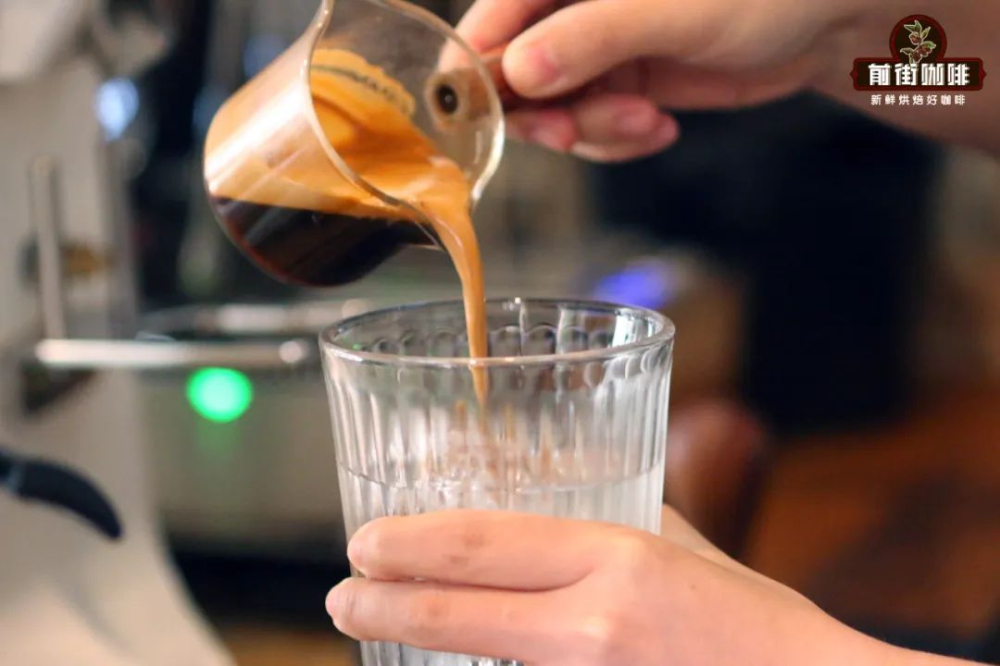
Members of this family include: Americano (espresso + water), latte (espresso + milk), cappuccino (espresso + thick milk foam + milk), flat white (espresso + thin milk foam + milk), Dirty (espresso + cold milk poured directly over ice), and mocha (espresso + chocolate + milk). Among them, the flat white is based on a purer shot of espresso, with thinner milk foam and a lower milk ratio, resulting in a more concentrated taste; the Dirty emphasizes an ice-filled cup and cold milk to support the espresso, which floats on top and is consumed without stirring, creating distinct layers.
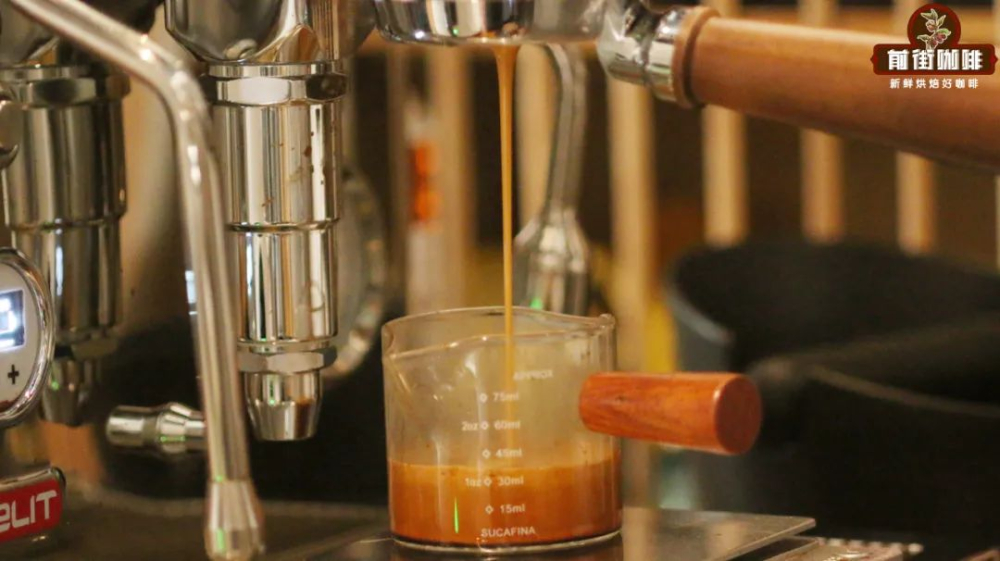
Ristretto is a more concentrated version with a richer texture; while SOE (Single Origin Espresso) uses beans from a single estate or region, highlighting unique terroir characteristics and making it distinctly different from regular blended espresso.
[The Drip Coffee Family: Clean Expression Through Natural Gravity]
Drip coffee relies on water naturally flowing through coffee grounds via gravity, filtered through paper to extract flavors, emphasizing clear layers and a clean mouthfeel. Common forms include pour over and cold drip, the former being a high-temperature extraction and the latter a low-temperature slow extraction—both significantly differ in flavor release and operation methods.
High-temperature pour over is suitable for showcasing a balance of sour, sweet, and bitter flavors, quickly releasing active coffee substances, but improper parameters can easily bring out woody off-flavors. It is recommended to use 15 grams of coffee, a 1:15 coffee-to-water ratio (225 grams of water), with light to medium roasted beans using medium-fine grind (75–80% passing through a #20 sieve), water temperature at 90–91°C; for medium-dark to dark roasted beans, use medium-coarse grind (65–70% passing rate), water temperature at 88–89°C, and employ a three-pour method to stabilize extraction.
Cold drip is a low-temperature extraction method that uses slowly dripping ice water, reducing flavor volatilization and allowing aromas to burst upon entry, bringing a surprising effect. However, it takes a long time to prepare, usually requiring more than 8 hours of steeping before it’s ready to drink. The practical water-to-coffee ratio is 1:10, meaning 60 grams of coffee yields 600 milliliters; the flavor is intense, and it is recommended to dilute before drinking.
[Cold Brew Coffee: Full-bodied Flavor Through Low-Temperature Soaking]
Cold brew (also called cold drip in some contexts) and ice drip both fall under low-temperature extraction, but differ in method: cold brew involves directly soaking coffee grounds in cold water, resulting in a fuller flavor and noticeable sweetness; ice drip relies on dripping extraction, yielding a cleaner and more layered taste. Cold brew suits drinkers who prefer a rich mouthfeel without the sour or astringent stimulation.
Commonly used beans can be selected based on taste preference—for instance, those who prefer sweet and sour notes can try ‘Sun-Dried Huakui’, those who enjoy fermentation can sample ‘Mozart’, those who dislike acidity may opt for ‘Queen’s Estate’, and those favoring strong fermented aromas are recommended ‘Blackberry’. For preparation, using 50 grams of coffee as an example, place it in a glass bottle with 400 milliliters of room temperature water and 200 grams of ice cubes, achieving a total coffee-to-water ratio of 1:12, with a grind size of about 85% passing through a #20 sieve. Stir well, seal, and refrigerate for 12–24 hours, then filter and refrigerate for another 4 hours to allow the flavor to mature and become rounder.
No matter which type of coffee you choose, freshness and freshly grinding are key. It is recommended to use the coffee within 5 days of purchase and grind it just before brewing to retain the best flavor. Although pre-ground coffee is available, its aroma will deteriorate quickly over time—grinding it yourself ensures you experience the truest expression of the coffee.
The above content is compiled by CoffeeHunters, a coffee news website.


