







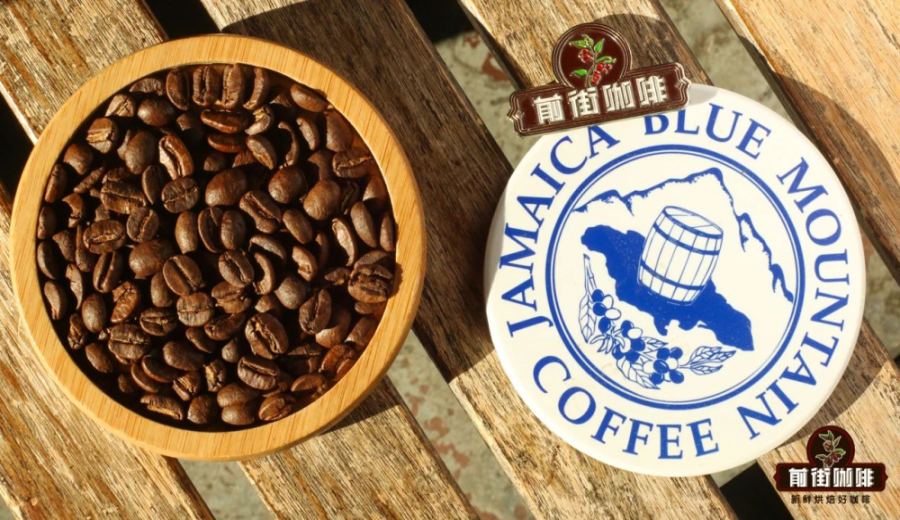
Introduction:Jamaica Blue Mountain coffee has long been hailed as the pinnacle of the coffee world, yet its lofty status seems to have wavered in recent years. This article delves into the official grading system of Blue Mountain beans, explores the real reasons behind their high prices, and offers ways to identify authentic Blue Mountain coffee. It also details the flavor profile of Blue Mountain No. 1 and the suitable brewing techniques, accompanied by professional-level parameter recommendations to help coffee enthusiasts fully grasp the essence of this legendary bean.
Blue Mountain coffee has always been seen as a symbol of high-quality coffee. However, with the maturation of the specialty coffee market and the diversification of consumer tastes, this top-tier bean from the Caribbean island nation of Jamaica no longer dominates the scene as it once did. What exactly is the allure of Blue Mountain coffee? Why does its price remain consistently high? And how can one distinguish authentic Blue Mountain beans on the market? This article will take you through a comprehensive understanding of Blue Mountain coffee’s grading system, origin background, flavor characteristics, and practical brewing suggestions.
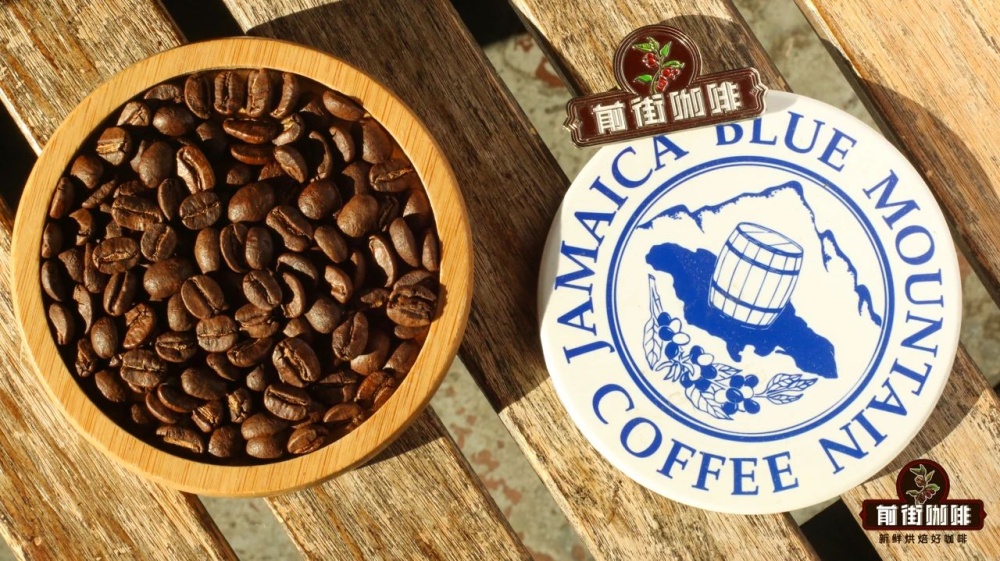
As is well known, the price of Blue Mountain coffee has long remained high, even becoming synonymous with premium coffee. Even those who don’t drink coffee often have heard of “Blue Mountain,” often associating it with “high quality” and “high price.” However, with the spread of specialty coffee culture, the continuous improvement of coffee varieties, and the overall rise in quality, the unique halo of Blue Mountain coffee has gradually faded.
A once viral online article pointed out that while Blue Mountain coffee was all the rage thirty years ago, it has gradually been replaced by specialty beans from other regions. The analysis noted that many instant coffees use “Blue Mountain flavor” as a marketing gimmick, leading consumers to confuse Blue Mountain with instant products. Additionally, there are countless coffee beans on the market claiming to be from Blue Mountain, but due to the extremely limited production, it is very difficult for consumers to discern authenticity.
Jamaica Blue Mountain coffee beans are divided into five grades based on strict criteria such as bean size and defect rate:
Grade 1 Blue Mountain (Blue Mountain No. 1)Belongs to the top grade, with the largest beans, requiringover 96% of the beans to be sized at 17/20 mesh, anddefects not exceeding 2%, with the relatively highest price.
Grade 2 Blue Mountain (Blue Mountain No. 2)Requiresover 96% to be 16/17 mesh, with defect rates also controlled within2%.
Grade 3 Blue Mountain (Blue Mountain No. 3)Requires96% to be 15/16 mesh, with defect ratios also not exceeding2%.
There is alsoBlue Mountain Peaberry (Blue Mountain Peaberry), which requiresover 96% to be round peaberries, with defect rates also limited to2%.
Finally, there isBlue Mountain Triage (Blue Mountain Triage), a blend of the above four grades, but with a more lenient defect rate cap of4%.
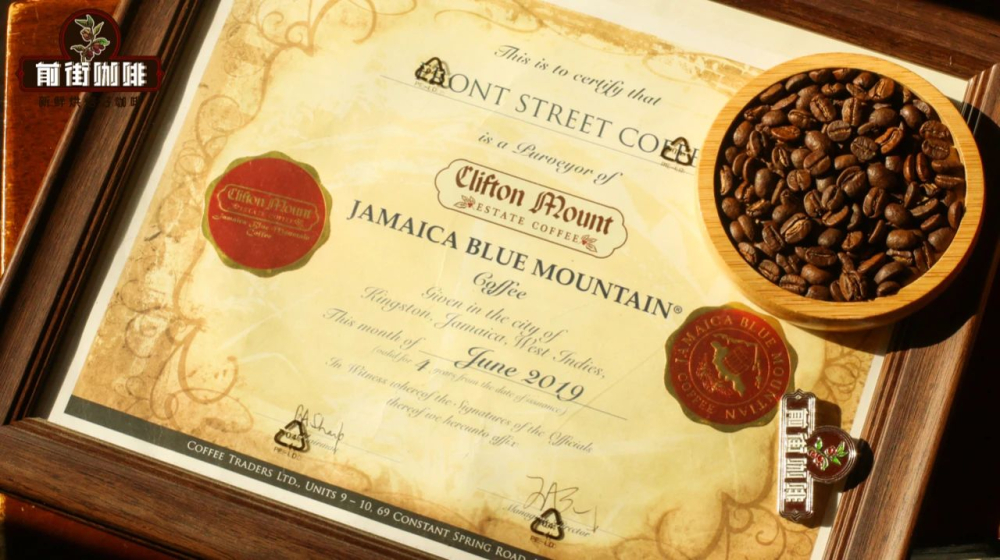
So, can consumers actually purchase authentic Blue Mountain coffee on the market? The answer is yes. Some suppliers offer Blue Mountain No. 1 beans that hold official certification issued by the Jamaican government and are sourced from the historic Clifton Estate, which also holds Rainforest Alliance certification. To confirm authenticity, first check for official Jamaican government certification documents. Additionally, Blue Mountain green coffee beans are among the very few that are transported inwooden barrels, which is also an important hallmark of their authenticity.
Blue Mountain coffee is grown in the Blue Mountains of eastern Jamaica. This region earned its name because the sunlight reflecting off the sea makes the mountain peaks appear to be draped in a light blue mist. It boasts a unique microclimate, along with volcanic soil rich in minerals. The high altitude, moderate temperatures, and abundant water supply provide nearly perfect growing conditions for coffee trees, resulting in a coffee that achieves an exceptional balance between acidity, sweetness, and bitterness—offering a rich, layered mouthfeel.
The reason Blue Mountain coffee is so expensive, aside from its outstanding quality, is its extremely limited production. Before the popularization of specialty coffee, Blue Mountain stood out due to its small-scale cultivation and exceptional quality. Coupled with the challenges of transportation, prices naturally soared. But with advancements in global coffee cultivation and processing techniques, more and more regions are producing coffee of high caliber, making the brilliance of Blue Mountain relatively less dazzling.
Some argue that Blue Mountain isn’t the “best” coffee, as taste preferences vary by individual; yet others are drawn to its smooth, mellow mouthfeel, delicate fruit notes, and gentle acidity, considering it a model of a “good coffee.” Blue Mountain coffee has low bitterness, transitioning into a pronounced sweetness in the aftertaste, with a long-lasting finish—precisely why many coffee enthusiasts love it.
Take the Clifton Estate as an example. It is one of the oldest coffee-growing regions in Jamaica and the only estate where you can find the “Rainforest Alliance Frog” certification mark on wooden barrels, signifying compliance with the “Sustainable Agriculture Network Standard.” The estate has been cultivating coffee since the mid-18th century, with an average planting altitude of 1310.64 meters. Afternoon mists, moderate sunlight, and mineral-rich soil extend the ripening period of coffee cherries, further enhancing flavor complexity.
For brewing Blue Mountain coffee, a medium-dark roast is recommended to highlight its rich character. Since Blue Mountain coffee benefits from slow extraction, it is advised to let freshly roasted beans rest for about 5 to 6 days after roasting before brewing, resulting in a rounder and fuller flavor.
Recommended brewing methods include the French press, siphon pot, or filter cones with longer extraction times such as the Clever Dripper or Kono. In practice, it is suggested to use the Kono filter cone with a water temperature of 88°C,a coffee-to-water ratio of 1:15, using approximately15 grams of coffee grounds, with grind size controlled between70%–75% passing through a #20 sieve.
The specific brewing steps are as follows: start with a 30-second bloom using 30 grams of water; then pour water up to 125 grams, and when the water level drops by about half, pour again up to a total of 225 grams. Finally, wait for the coffee to fully drip through, with the total extraction time being approximately2 minutes and 10 seconds. These parameters fully bring out the creamy smooth mouthfeel and deep, layered flavors of Blue Mountain coffee.
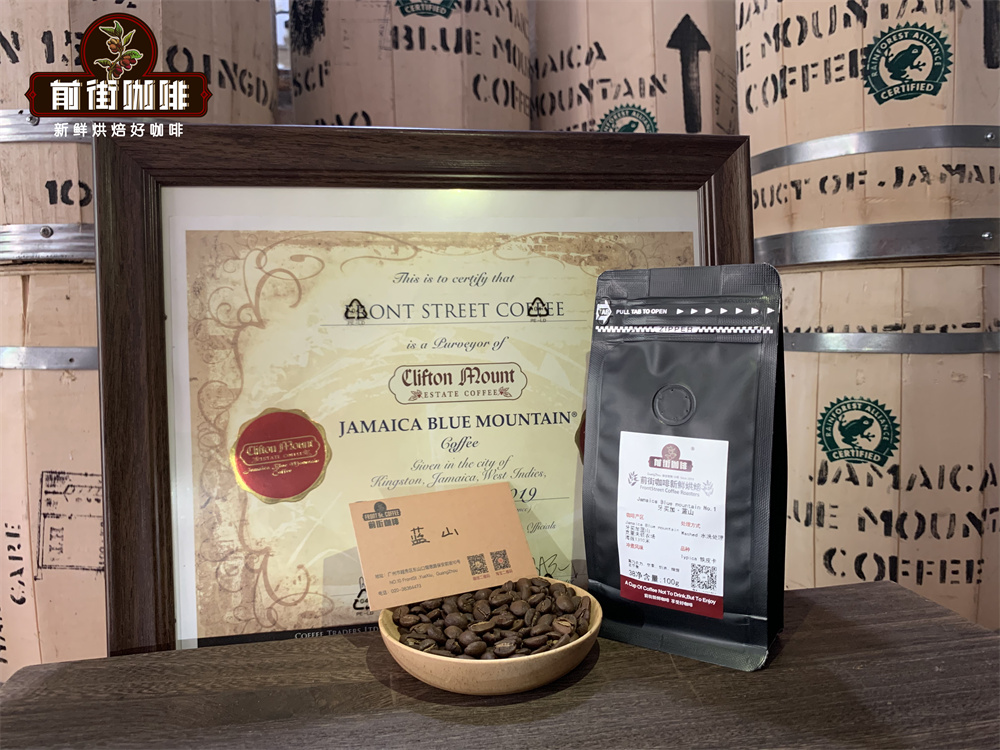
Authentic Jamaica Blue Mountain No. 1 coffee beans feature a flavor profile dominated by dark chocolate and nutty notes, with a silky-smooth mouthfeel. The balance among acidity, sweetness, and bitterness is impeccable, and the long-lasting aftertaste is truly memorable—making it a classic choice beloved by many coffee connoisseurs.
The above content is compiled by CoffeeHunters, a coffee news website.


