







Introduction:Golden Mandheling is often regarded as the benchmark of specialty coffee from Indonesia, but the market is flooded with mixed-quality products, and the term "Golden" has been widely misused. This article delves into the background of the authoritative certification body PWN, explains in detail the G1 grade, over 18 mesh size, and triple hand-picking standards of authentic Golden Mandheling, and compares the flavor profiles of a certain brand’s PWN Golden Mandheling and Lintong Mandheling through practical cupping. It also provides identification tips and purchasing advice to help you find the Mandheling that best suits your taste.
When it comes to coffee beans from Asian origins, many coffee enthusiasts’ first choice is often Mandheling. Even if you haven’t tried it personally, you may have heard of the fame of “Golden Mandheling.” However, the market is filled with various Indonesian coffee beans claiming to be “Golden Mandheling,” yet only a very small number truly meet the strict standards. So what exactly is the orthodox Golden Mandheling? The key lies in the certification by PWN.
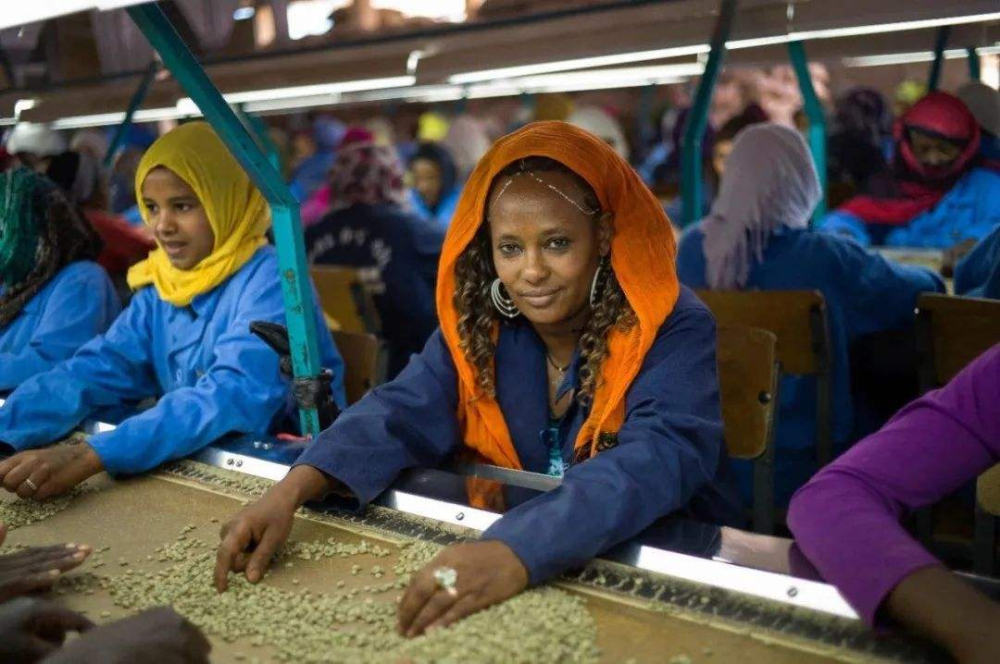
PWN is the abbreviation for Pawani Coffee Company, a highly reputable enterprise in Indonesia that has long been dedicated to the procurement of Mandheling coffee beans. The coffee beans from many high-quality producing regions in Indonesia are almost all within PWN’s procurement scope, which is why Mandheling beans that pass through PWN often carry a unique specialty-grade flavor. After purchasing the green beans, PWN performs multiple rounds of rigorous manual screening, selecting only plump, defect-free beans. Only those beans that have passed these layers of scrutiny qualify to be classified as Golden Mandheling.
It is worth mentioning that PWN has registered “Golden Mandheling” as a trademark, meaning that only products certified by PWN can legitimately use this name. Currently, most of the PWN Golden Mandheling available on the market comes from the Aceh region of Sumatra Island, where the climate and soil conditions provide an ideal growing environment for coffee beans.
As a registered trademark of PWN, Golden Mandheling has clear production standards: after harvesting and drying, the beans must undergo at least three rounds of pure manual selection to ensure that each bean meets a size specification of over 18 mesh. In addition, the number of defective beans must be kept at an extremely low level—calculated based on a 300-gram sample of green beans, there must be no more than 3 defective beans, and they must meet the highest Grade G1 standard. Visually, the beans should have a relatively dark green color and a neat flat bean shape; all these conditions are essential to be worthy of the name “Golden Mandheling.”
As the popularity of PWN Golden Mandheling has risen, many counterfeit products have also emerged in the market. Some merchants, in order to raise prices, select green beans over 18 mesh from Grade G1 Mandheling and perform three rounds of manual selection, attempting to make the appearance resemble that of the genuine product. However, these beans lack official PWN certification, and their flavor and quality often fall short compared to the authentic ones.
The most reliable way to distinguish between genuine and fake is to check the certification documents. True PWN Golden Mandheling comes with a certificate issued by PWN and the green bean sacks are clearly stamped with the PWN logo. These certificates can be verified through official channels or authorized stores to ensure you are purchasing the genuine product.
Through actual cupping comparisons, the flavor performance of PWN Golden Mandheling is quite outstanding: the overall flavor profile is clean, with a particularly prominent sweet aftertaste, making it ideal for coffee lovers who prefer a fresh-tasting cup. However, compared to other varieties of Mandheling, its body may be slightly lighter. If you prefer a coffee with a richer and fuller body, you might consider a certain brand’s Lintong Mandheling; whereas if you prefer a cleaner-tasting cup with clearly discernible herbal, hazelnut, caramel, and even dark chocolate nuances, then PWN Golden Mandheling is undoubtedly the more suitable choice.
In summary, when choosing genuine Golden Mandheling, in addition to paying attention to origin and grade, it is even more important to look for the PWN certification mark. By understanding these key parameters and actual flavor profiles, you can more accurately select the Mandheling coffee beans that best match your personal taste preferences.
The above content is compiled by CoffeeHunters, a coffee news website.


