







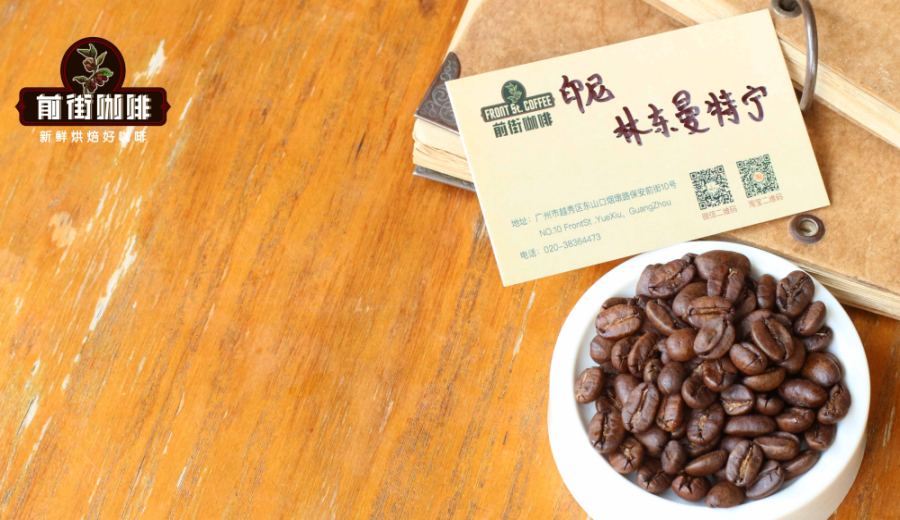
Introduction:Indonesian Mandheling coffee is renowned for its full-bodied, low-acid profile with herbal and piney notes, and its unique wet-hulling processing method plays a crucial role in shaping its flavor. This article will take you through its historical origins, characteristics of major producing regions, and the principles of the wet-hulling process to deeply explore the charm of Mandheling. It also provides professional pour-over brewing recommendations, including filter choice, water temperature, coffee-to-water ratio, and extraction pace, helping you easily brew a Mandheling with rich layers and distinct flavors.
In the world of specialty coffee, Mandheling doesn’t win people over with bright fruity acidity or floral notes, but rather with its rich, full-bodied mouthfeel, low acidity, and distinctive herbal, piney, and spicy characteristics, earning the favor of many coffee enthusiasts. This article not only explores the development of Indonesian coffee from the colonial period to the present, but also delves into major producing regions like Sumatra, analyzing how local terroir influences coffee flavors, and provides a detailed explanation of “wet-hulling,” the key processing method that shapes Mandheling’s unique personality.
Additionally, for coffee enthusiasts who enjoy pour-over brewing, we’ve compiled practical brewing suggestions, including filter types, ideal water temperature, coffee-to-water ratio, and pouring techniques, to help you effectively improve extraction quality and enjoy a Mandheling with clear flavors and distinct layers.
The history of Indonesian coffee dates back to the late 17th century, when the Dutch East India Company (VOC) introduced Arabica coffee trees to Java in 1699 to break the Arab monopoly on coffee trade. Initial plantations were concentrated around Batavia (now Jakarta), and later gradually expanded to East Java, Central Java, West Java, as well as Sumatra and Sulawesi. Between 1725 and 1780, the VOC once monopolized global coffee trade, establishing Indonesia as a significant coffee-producing region.
By the 19th century, cultivation continued to expand, with coffee being planted on islands such as Sumatra, Bali, Sulawesi, and Timor. Among them, the Lake Toba region in North Sumatra first introduced coffee in 1888, and it was further expanded to the Gayo Highlands (Aceh) in 1924. The Ijen Plateau on Java Island also developed into a major coffee-growing area in the late 18th century. However, the coffee leaf rust disaster of 1876 severely damaged the local Typica variety, leading to the widespread planting of Robusta in low-altitude areas of East Java after 1900 as an important alternative.
After Indonesia’s independence, many colonial-era plantations were nationalized, and through the introduction of new varieties and government programs, they were gradually taken over by smallholders. To this day, over 90% of Indonesian coffee is still produced by small-scale farmers, with an average farming area of only about one hectare, which has also contributed to the diverse and regionally distinctive flavor profiles of Indonesian coffee.
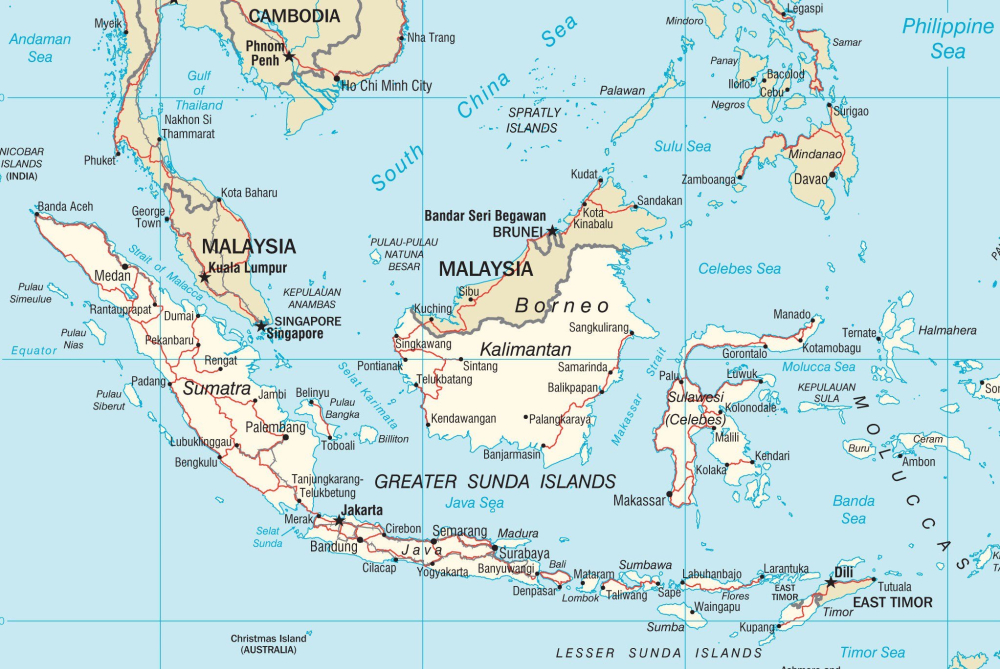
As the largest island in Indonesia and the sixth-largest island in the world, Sumatra is not only the main producing region of Mandheling coffee, but also, due to its unique geography and climate conditions, cultivates a representative low-acid, full-bodied flavor. The local coffee harvest season runs from November each year to March of the following year, bringing the first Sumatran flavors to the market.
Mandheling coffee is primarily grown in the Lake Toba and Lintong regions of Sumatra and the Gayo highlands of Aceh, areas known for their volcanic soils, which provide rich nutrients while imparting a distinctive earthy and herbal undertone to the coffee. Among them,“Wet-Hulling”is the most critical processing method. By quickly removing the parchment layer and drying the coffee beans at higher humidity, it forms a unique flavor profile that is bold, heavy, and carries smoky, chocolatey, and spicy notes.
A certain brand’s “Everyday Series Lintong Mandheling” showcases a balanced flavor of toasted bread, nuts, caramel, and herbs; while “PWN Golden Mandheling” excels with deeper spice, nut, dark chocolate, and caramel aromas, offering even more layers and making it an excellent choice for advanced drinkers.
Java Island also has a long history of coffee cultivation, with Arabica varieties introduced by the Dutch East India Company as early as the 17th century. The main growing areas are concentrated in five government-run estates: Blawan, Tugosari, Pancoer, Jampit, and Kayumas. Javanese coffee is mostly processed using the washed method, presenting a relatively clean, full-bodied taste with low acidity and rich molasses, clove, and fig aromas, forming an interesting contrast to Sumatra’s earthy flavors.
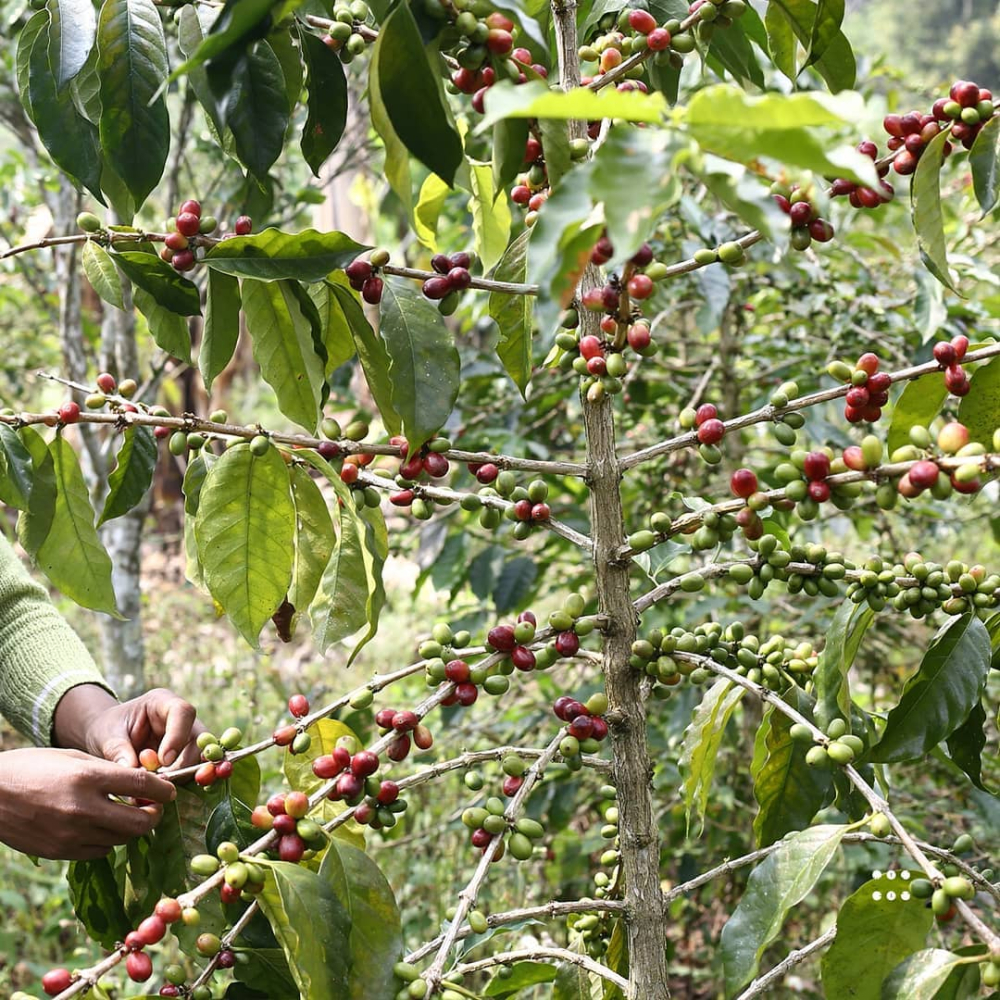
Sulawesi (formerly known as Celebes), located in central Indonesia, mainly produces coffee from the Toraja Highlands in South Sulawesi, carefully cultivated by local smallholders. Compared to other Indonesian producing regions, Sulawesi coffee has a milder flavor, but some specialty beans, such as those from the Toruaja region, exhibit bright acidity, layered caramel sweetness, while herbal and spicy notes are relatively restrained, accompanied by subtle floral hints, offering a different Indonesian coffee experience.
Flores Island, though small in size, is famous for its rich natural landscapes and unique microclimates. Coffee is primarily grown in the Bajawa town area at altitudes of 1,200 to 1,800 meters, where volcanic soils rich in minerals nurture organic farming potential. Local coffee typically shows bright acidity and fruity notes, forming a sharp contrast to Sumatra’s low-acid heaviness.
Bali Island, known for its beautiful beaches and cultural attractions, also boasts noteworthy coffee-growing regions. The main producing areas are concentrated in the Kintamani highlands between the Batukaru and Agung volcanoes. The coffee here often features soft acidity, floral and citrus notes, with a refreshing and layered mouthfeel, making it a must-try for coffee lovers who prefer medium-intensity flavors.
When talking about Mandheling, one cannot overlook the interesting history behind its name. Unlike most coffees named after their origin or country, Mandheling actually originates from the name of a local indigenous ethnic group. During World War II, a Japanese officer stationed in Sumatra asked locals about the origin of the coffee, who mistakenly thought he was asking about their ethnicity and answered “Mandheling tribe (Mandheling).” After the war, the officer still cherished the coffee and, in 1968, Osaka-based Nomura Trading Company in Japan imported 15,000 kilograms of Sumatran Mandheling coffee from Indonesia’s N.V. Pawani Medan company, quickly making a name for itself in the Japanese market and also turning “Mandheling” into a synonym for this flavor profile of coffee.
PWN (Pawani Medan) is a well-known Indonesian green bean purchasing and processing company, with extremely strict quality control, employingone mechanical screening plus three manual hand-sortingsto ensure each batch of beans meets Indonesia’s highest Grade G1 standard. Machine sorting filters out beans smaller than 18 mesh, followed by multiple rounds of manual defect removal, significantly improving overall quality. Notably, PWN has registered “Golden Mandheling” as a trademark, and certain brand’s offerings of this coffee bean all come from PWN, accompanied by official certification and sack labeling, ensuring guaranteed quality.
The so-called “wet-hulling” (also known as wet stripping or giling basah) is a traditional coffee processing method unique to Indonesia. Its steps include: first removing the skin and pulp of the coffee cherry, retaining the parchment and mucilage; then undergoing water fermentation to wash away the mucilage, followed by drying the parchment-covered coffee beans in the sun for 2 to 3 days until the moisture content drops to 20-24%; subsequently peeling off the parchment, and continuing to dry until the moisture content reaches about 12-13%, finally preparing for export.
Because wet-hulling removes the parchment while the coffee beans are still relatively high in moisture, it accelerates the drying process, but also makes it more prone to a higher defect rate. To improve quality, processing mills usually arrange multiple hand-sortings, such as DP (double pick) and TP (triple pick), effectively removing defective beans to ensure optimal flavor performance. PWN’s Golden Mandheling is a classic example of wet-hulling, showcasing premium herbal aroma, pronounced caramel sweetness, a full-bodied mouthfeel, and a lingering finish with charming spice and sweet notes.
For dark-roasted Mandheling coffee, if you enjoy brewing it via pour-over, the following parameters are recommended: it is suggested to usea Kono filter, whose ribs are concentrated at the bottom and the filter paper fits tightly against the cup wall, effectively slowing airflow and extending the contact time between water and coffee grounds, helping to enhance the full-bodied mouthfeel. The recommended water temperature is controlled at88-89°C, the coffee dosage is about15 grams, the coffee-to-water ratio is1:15, the grind size ismedium-coarse (with a Chinese 20-mesh standard sieve passing rate of about 70%).
Specifically, start with30 grams of water for a 30-second bloom, then pour water in small circles, and when the total water volume reaches125 grams, perform the first pour; when the water level drops and is about to expose the coffee bed, continue pouring to225 gramsbefore stopping, and wait until all the water has dripped through before removing the filter. The total extraction time is recommended to be controlled at around2 minutes. With this set of parameters, you will be able to fully bring out the full-bodied and layered qualities of Mandheling, enjoying a uniquely flavored Indonesian classic coffee.
The above content is compiled by CoffeeHunters, a coffee news website.


