







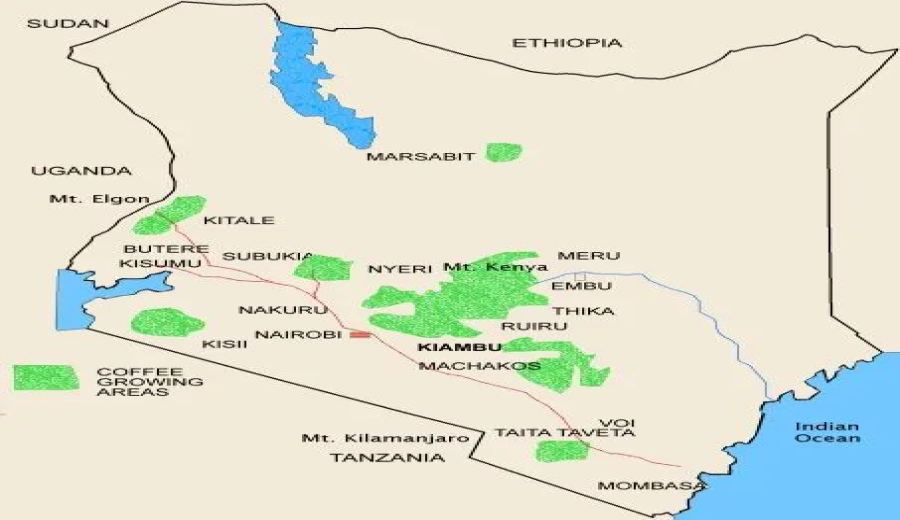
Introduction:Kenyan coffee is renowned for its distinctive acidity and rich layers of flavor, with the K72 washed process being the key to crafting its vibrant taste profile. This article delves into the distribution of Kenyan coffee-growing regions, the characteristics of its coffee varieties, and provides a detailed breakdown of the steps and principles behind the K72 double fermentation process. By comparing the washed and natural processing methods, it explores the flavor differences between beans from the Asali Honey Processing Factory and the Hanya Estate’s Bourbon variety, covering aroma, acidity, sweetness, and aftertaste. Practical brewing tips are offered to benefit both newcomers and seasoned enthusiasts.
Kenya’s international reputation in coffee largely stems from its vivid and complex acidity, and the K72 washed process is the representative method that brings this quality to its fullest expression. This article begins with an overview of Kenya’s coffee-growing regions and variety composition, then dissects each critical step of the K72 double fermentation process. Through comparative tasting of washed and natural processed beans, it highlights the differences in aroma, acidity, sweetness, and aftertaste between beans from the Asali Honey Processing Factory and the Hanya Estate’s French Mission Bourbon. Whether you’re new to Kenyan coffee or a seasoned brewer looking to optimize your parameters, you’ll find useful insights here.
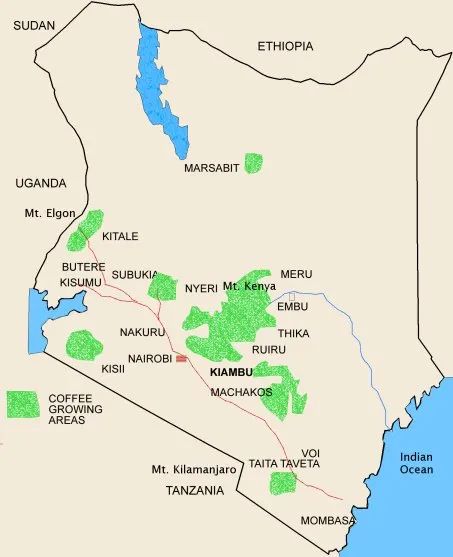 Kenya’s coffee industry is centered around numerous smallholder farming families, with nearly 700,000 growers nationwide, averaging less than one hectare of cultivation per household. Estates typically range from 30 to 40 hectares, with some large estates spanning several hundred hectares. Coffee trees are primarily grown at high altitudes above 1,400 to 2,000 meters, with core varieties including SL28, SL34, Ruiru 11, Batian, and K7. The harvest season is divided into two main periods: the primary season runs from October to January each year, while the secondary season (also called the fly crop) occurs between April and June. Major growing regions include Nyeri, Muranga, Kirinyaga, Meru, Embu, Kiambu, and Thika in the central part of the country, as well as Kericho and Kisii in the west.
Kenya is divided into 47 counties, each producing coffee with unique flavor profiles due to variations in microclimate and processing methods. Coffee trees are concentrated in mountainous regions at elevations of 1,400 to 2,000 meters, with two harvests per year. Key production areas are located in Ruiri, Thika, Kirinyaga, Mt. Kenya West, Nyeri, Kiambu, and Muranga, surrounding the foothills of Mount Kenya and the Aberdare Mountains. For example, the Embu region produces balanced coffee with bright acidity and flavors of citrus fruits, chocolate, and apples, while Nyeri’s coffee boasts intense fruity notes, with flavors of white grapes, grapefruit, and cherry tomatoes, accompanied by a caramel-like sweetness and complex layers.
Coffee from different counties in Kenya exhibits distinct characteristics, with plantings mainly located in mountainous areas at altitudes of 1,400 to 2,000 meters, such as Ruiri, Thika, Kirinyaga, Mt. Kenya West, Nyeri, Kiambu, and Muranga, all situated at the foothills of Mount Kenya and the Aberdare Mountains. For instance, coffee from the Thika plateau is known for its balance, with acidity and aromas of citrus, chocolate, apples, and plums. Meanwhile, Nyeri’s coffee excels in fruity intensity, featuring flavors of white grapes, juiciness, grapefruit, and cherry tomatoes, with a sweet profile reminiscent of caramel.
Kenyan Washed Beans: The Essence of the K72 Process
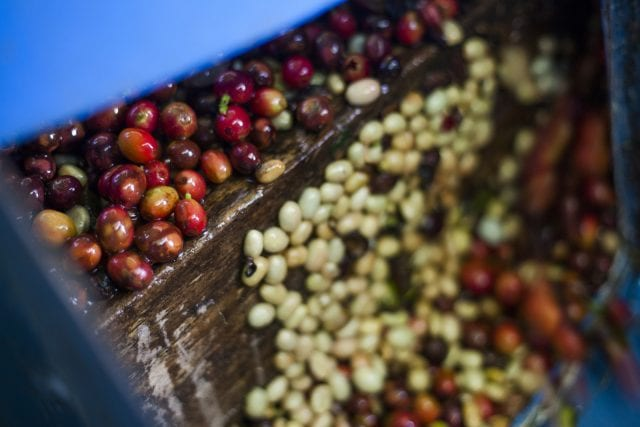
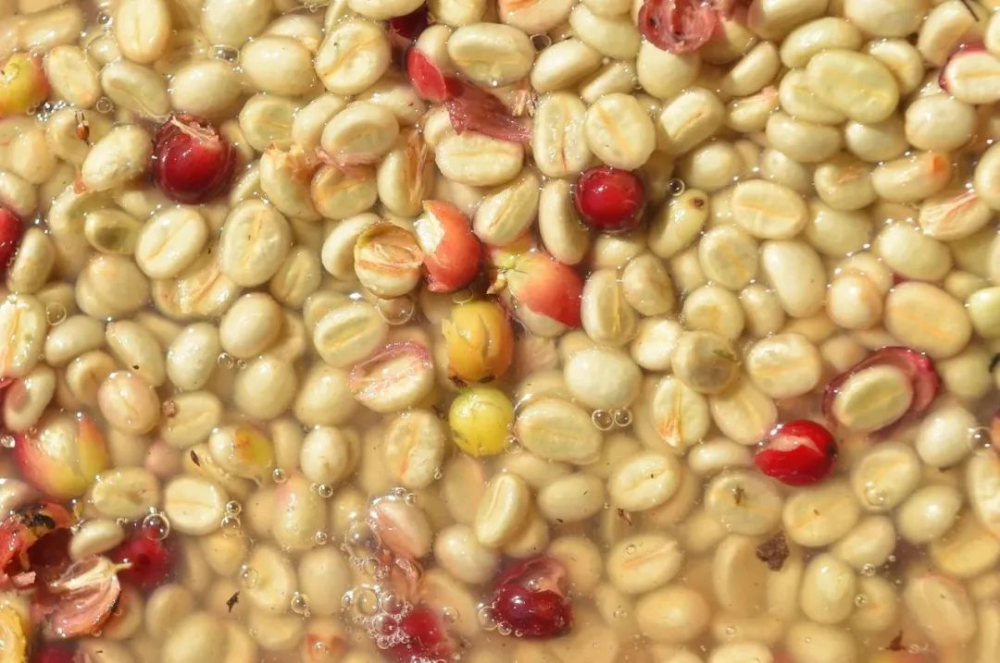
The Kenyan washed process employs a cycle of repeated fermentation and washing to maximize the purity and complexity of flavors. On the day of harvest, the highest-quality coffee cherries are sorted and depulped, then undergo the first 24-hour fermentation stage before being thoroughly rinsed with clean river water. This is followed by a second 24-hour fermentation and another rinse. This process is repeated three times, totaling72 hours—hence the name K72. This technique, through prolonged low-temperature fermentation, imparts brighter acidity, a cleaner flavor foundation, and a fuller mouthfeel.
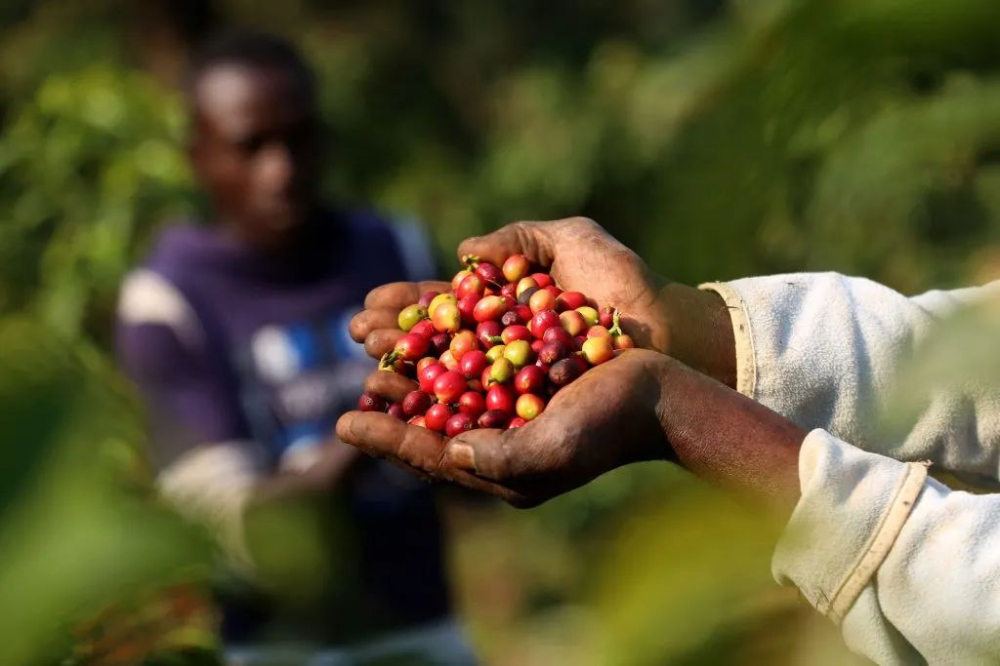 In practical brewing, Kenyan washed beans from the Asali Honey Processing Factory deliver impressive results: upon opening the bag, intense aromas of tomato and berries emerge. The acidity and sweetness contrast vividly, with a lively acidity on the palate and a clean, sweet finish accompanied by a hint of blackcurrant. Overall, it embodies the classic Kenyan style of “starting with acidity and ending with sweetness,” making it a favorite among many coffee lovers.
Kenyan Natural Beans: The Unique Charm of Traditional Processing
Compared to the widely adopted washed process, naturally processed Kenyan beans are relatively rare on the market. This is largely due to the high-quality reputation of Kenyan washed coffee, as well as the higher loss rates and labor costs associated with natural processing, which is typically reserved for custom batches from select green coffee suppliers. This traditionally sun-dried Bourbon bean, through meticulous natural processing, adds solid sweetness and a full body to the inherently diverse and vibrant acidity of the Bourbon variety. Due to reliance on natural climatic conditions, this batch has limited production, higher rates of visual defects, and less uniform bean appearance, yet its flavor performance is surprisingly delightful.
The coffee variety is French Mission Bourbon, introduced to Kenya by French missionaries between 1892 and 1893 and referred to as the French Mission Varietal. This original variety has not undergone modern scientific modification, preserving the most authentic genetic flavor traits of Bourbon.
Although this natural bean does not follow Kenya’s official grading standards (likely due to its micro-lot nature) and has a slightly less refined appearance, its flavor layers are unexpectedly outstanding: the dry aroma carries notes of sun-dried fruit fermentation and vanilla, while the cup reveals caramel, mixed fruits, and a substantial juiciness. The aftertaste lingers with complex flavors of berries, rich jackfruit, and floral coffee notes. The overall style offers a wild presentation of ancient African flavors, ideal for sipping slowly to appreciate its multifaceted aromatic shifts.
Appendix: Comparative Coffee Bean Fact Sheets
Below are key details about the two featured comparative coffee beans, for readers interested in learning more about roasting recommendations and brewing parameters:
【Kenya Hanya Estate French Mission Bourbon Natural】
Country: Kenya
Region: Thika
Processing Farm: Chania Estates
Altitude: 1,525 meters
Variety: French Mission Bourbon
Processing Method: Natural
【Kenya Little Tomato AA TOP Fine 72-Hour Washed】
Country: Kenya
Region: Thika
Processing Farm: Asali Honey Processing Factory
Altitude: 1,550–1,750 meters
Soil: Volcanic soil
Grade: AA TOP
Variety: SL-28, SL-34
Processing Method: 72-Hour Washed
The flavor profile of Kenyan coffee is predominantly bright and acidic, especially light-roasted Kenyan washed beans, which often exhibit fresh acidic notes of tomato and berries. Over-light roasting may introduce grassy or astringent flavors, making precise control of roast level and brewing parameters crucial. Ideally, Kenyan coffee will emit honey-like sweetness and complex floral aromas in its wet fragrance. Whether natural or washed, brewing water temperature should be maintained between91~93℃to fully unlock its unique flavor potential.
The above content is compiled by CoffeeHunters, a coffee news website.


