







Introduction:Geisha coffee, renowned for its distinctive floral and fruity aromas and high auction prices, has become one of the most prestigious varieties in the specialty coffee world. This article delves into the origins of Geisha, compares it with the popular Huagui coffee, and provides a detailed look at the various grades of Panama’s Hacienda La Esmeralda and Ethiopia’s Gesha Village. It also offers expert pour-over brewing recommendations to help coffee enthusiasts fully master this legendary bean—from selection to brewing.
Geisha (Geisha), hailed as the most legendary coffee variety of the 21st century, has maintained its star status in the specialty coffee scene thanks to its stunning cupping profiles and consistently record-breaking auction prices. Yet many coffee lovers still have questions: Where exactly does Geisha come from? Is it the same variety as the commonly seen Huagui coffee? What are the differences between Hacienda La Esmeralda’s well-known Red Label, Green Label, and Volcanica? This article will take you from the origin of Geisha, trace its rise to fame, analyze the flavor characteristics of various producing regions, and provide practical pour-over parameters to help you deeply understand this legendary coffee.
The Rise of Geisha: From Obscurity to Championship Dominance
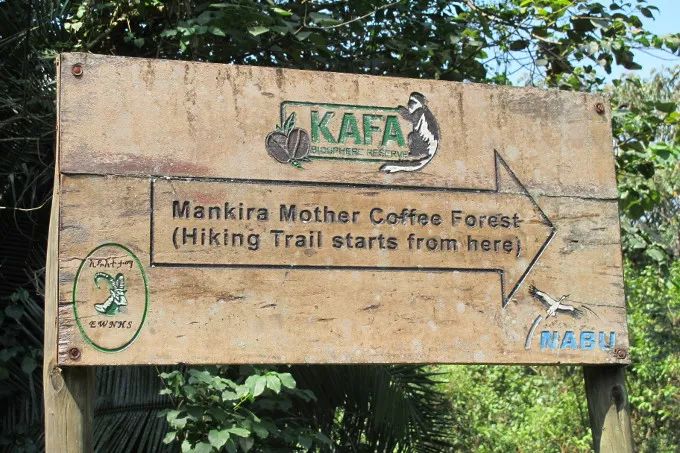
Geisha was first discovered in the 1930s in the Gesha forest of southern Ethiopia (located in the BENCH-Maji zone of Kaffa Province). However, at the time, due to its low yield and ordinary flavor profile, it did not receive much attention. According to official records from that period, the variety was described as “slender in appearance, with poor flavor but good disease resistance, suitable for hybrid breeding.” It wasn’t until 1931 that botanists rediscovered the variety near the village of Gesha and introduced its seeds to Kenya in 1932, beginning Geisha’s spread across Africa. Subsequently, it was gradually introduced to Uganda, Tanzania, Costa Rica, and finally arrived in Panama in 1960, where it was brought back by the former owner of Hacienda La Esmeralda, Pachi Serracin, from CATIE for cultivation.
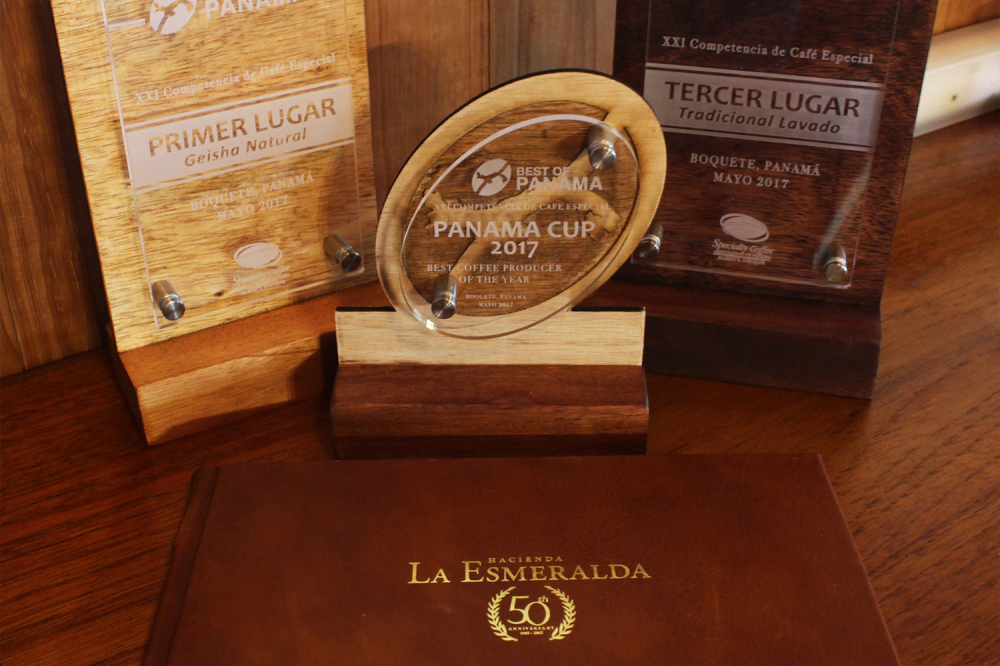
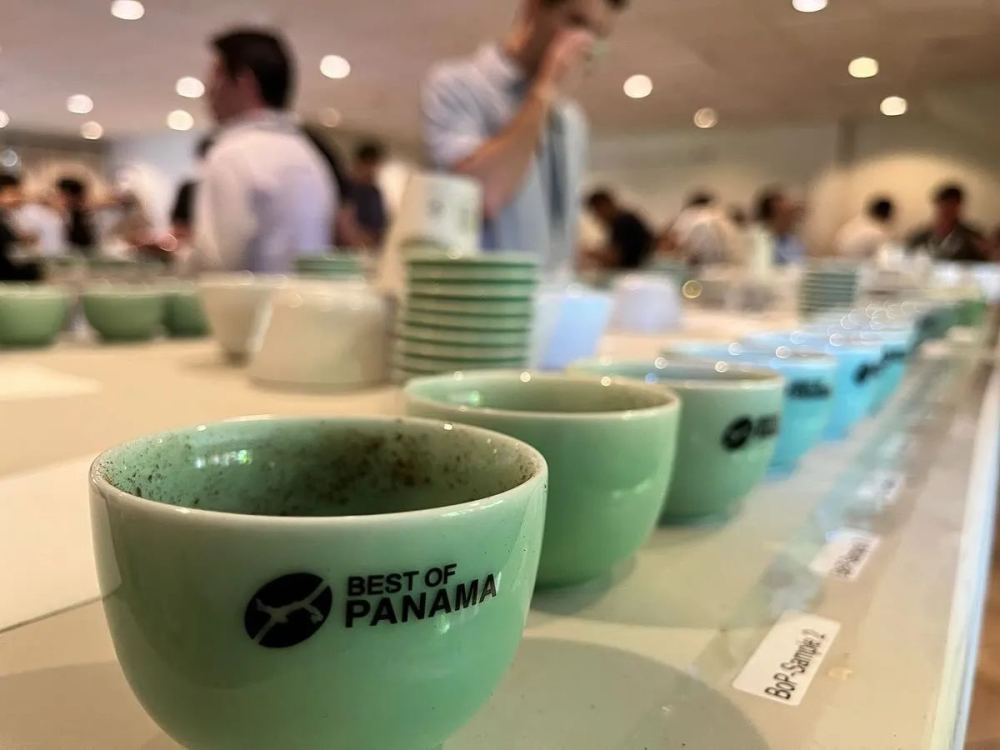
The real turning point came in 2004, when Hacienda La Esmeralda first isolated Geisha from other varieties and entered it into the Best of Panama (BOP) competition, winning first place outright. In the following years, Geisha continued to achieve outstanding results in numerous international competitions, with its green bean auction prices repeatedly hitting new highs, solidifying its position as the top-tier bean in specialty coffee.
Geisha, Geisha (Artisan), and Huagui: Stop Confusing Them
Because the word Geisha sounds similar to the Japanese term for “geisha” (芸妓), many people are accustomed to calling Geisha “geisha coffee,” but this is merely a phonetic coincidence. A more common misconception is viewing Ethiopia’s “Huagui” coffee as a type of Geisha. In reality, Huagui originated from the 2017 Ethiopia Taste of Harvest (TOH) natural process competition winner—Hambela. That year, this particular lot defeated several Geisha coffees, astonishing the industry. Later, it was promoted by green bean traders under the name “Huagui,” symbolizing the “king of flowers,” and it has no direct genetic relationship with Geisha.
Characteristics and Challenges of the Geisha Variety
Geisha coffee trees grow tall, with slender leaves and strong resistance to leaf rust. Their branches are widely spaced, all of which give them special requirements for growing conditions. The green beans are slender, while the roasted beans exhibit delicate and rich fruit aromas, particularly noted for their intense floral notes and juicy tropical fruit characteristics. However, Geisha is extremely demanding in terms of growing environment—it requires high altitudes, cloud cover and shade, fertile soil, and yields are relatively low. As a result, it is mostly used in specialty coffee rather than large-scale commercial production.
Panama’s Boquete region, especially Hacienda La Esmeralda, is considered one of the regions best able to showcase the potential of Geisha. The estate’s Geisha is known for its clear floral notes, tea-like body, and nutty tones, setting an industry benchmark.
Hacienda La Esmeralda: Analysis of Its Three Main Grades
Hacienda La Esmeralda classifies its Geisha into three main grades based on planting altitude and cupping scores: Red Label (Esmeralda Special), Green Label (Private Collection), and the former 1500-meter batch Blue Label (now called Volcanica). Starting in 2021, the original Blue Label was upgraded to “Volcanica,” consisting of a blend of 1500-meter Geisha lots from the Jaramillo, Cañas Verdes, and El Velo farms.
Red Label Geisha comes from altitudes of 1600–1800 meters, with each batch sourced from specific small plots such as Mario’s plot, and must score over 90 points in cupping. Each batch in this series has an independent number, making it ideal for coffee lovers seeking extreme flavor differentiation. The Green Label is a blend of multiple high-altitude plots, preserving the classic Geisha flavors with relatively better cost-performance. Volcanica consists of blended beans grown around 1500 meters, continuing the foundational characteristics of Geisha, and is suitable for consumers wanting to experience Geisha flavors with a more limited budget.
Ethiopia’s Gesha Village: Geisha Returning to Its Homeland
Gesha Village is located near the Gesha forest in Ethiopia, established by Adam Overton and Rachel Samuel. It is dedicated to recreating a variety close to the flavor profile of Panamanian Geisha. Gesha Village categorizes its products into auction lots, Gold Label (Rarities), Red Label (Growers Reserve), Green Label (Single-Terroir), and Chaka lots. The Gold Label is the highest non-auction quality, making up just 10% of total production; the Red Label scores 88 or above in cupping, accounting for 15%; the Green Label emphasizes single terroir and traceability; the Chaka lots offer a balanced flavor at an accessible price.
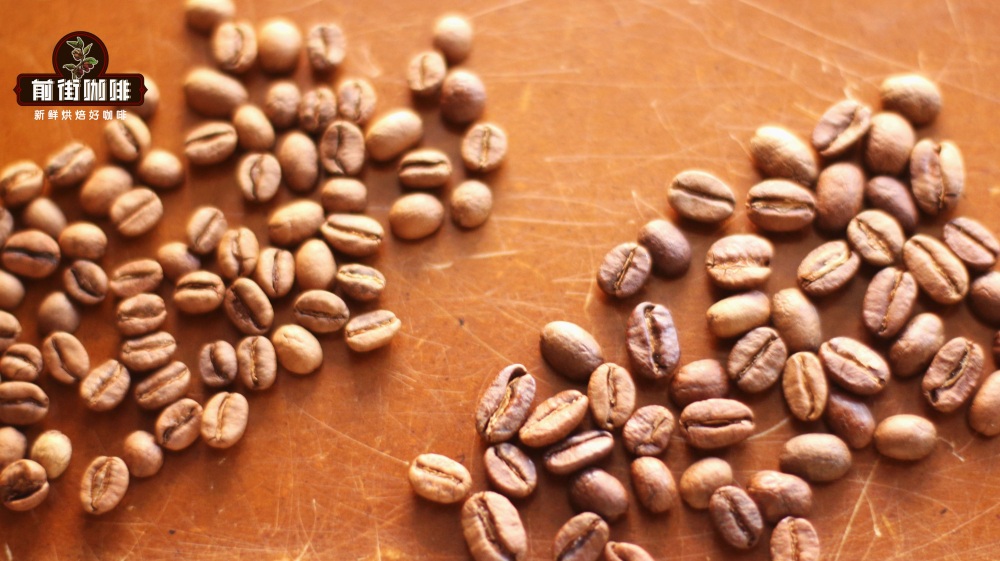
Compared to Hacienda La Esmeralda’s Geisha, Gesha Village’s beans are slightly smaller in size, with flavors based on yellow stone fruits like yellow peaches, prominent sweetness, and some batches even featuring hints of toffee. Though sharing the same name, the two have distinct appearances and flavor profiles.
A Quick Look at Geisha Flavors from Other Producing Regions
In addition to Panama and Ethiopia, Geisha is also grown in Costa Rica, Jamaica, and Yunnan, China. Costa Rica’s Finca small-lot washed Geisha is known for its jasmine aroma, lemony acidity, and honey sweetness; Jamaica Blue Mountain’s Clydon Estate Geisha showcases layers of citrus, pomelo, and caramel; Yunnan has attempted cultivation, but due to insufficient altitude and a short acclimatization period, results have not met expectations.
Expert Pour-Over Recommendations: How to Brew the Essence of Geisha
Taking Hacienda La Esmeralda’s Red Label as an example, it is recommended to use a Hario V60 dripper, with 15 grams of coffee, water temperature at 90°C, a coffee-to-water ratio of 1:15, and a medium-fine grind (approximately 78% passing through a #20 sieve). Begin with a 30-second bloom using 30 grams of water, then pour up to 120 grams in the first pour with a slow circular motion using a thin stream; continue pouring up to 225 grams in the second pour, slightly increasing the speed of the pour to avoid over-extraction. This method highlights Geisha’s floral, citrus, berry, and honey notes, delivering a layered and long-lasting aftertaste.
The above content is compiled by CoffeeHunters, a coffee news website.


