







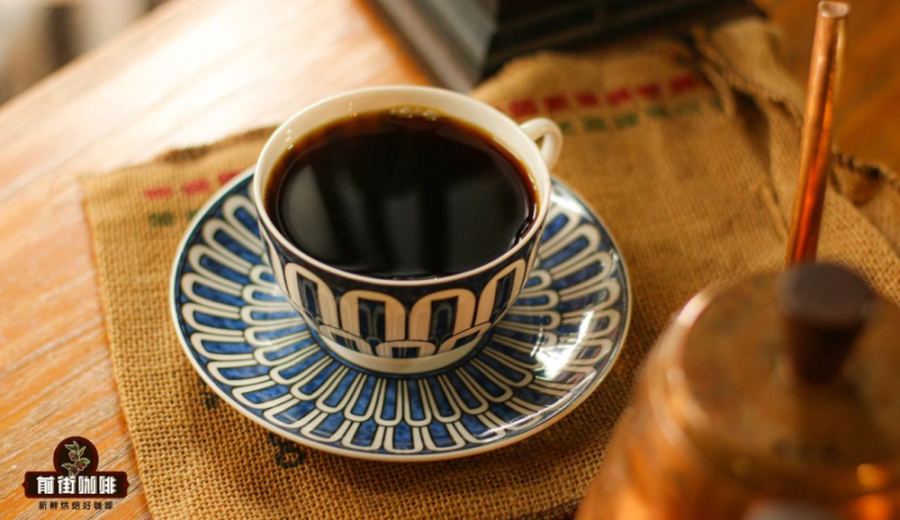
Introduction:Green Mountain Coffee and Jamaica Blue Mountain Coffee may sound similar, but they are fundamentally very different. The former is a well-known American instant coffee brand, famous for its K-Cups and affordable, eco-friendly options; the latter is a premium single-origin coffee from the highlands of Jamaica, renowned for its rarity and exceptional quality. This article provides an in-depth comparison of the two in terms of origin background, market positioning, quality standards, and price differences, along with flavor characteristics and brewing recommendations for Jamaica Blue Mountain No. 1 beans to help you avoid confusing these two types of coffee.
Green Mountain Coffee and Jamaica Blue Mountain Coffee may differ by just one character, but in reality, they are entirely different in terms of origin, brand, and product essence. Green Mountain is a commercial coffee brand from Vermont, USA, focusing on single-serve K-Cup systems and eco-conscious fair trade practices, aiming to make Arabica coffee accessible at reasonable prices. On the other hand, Jamaica Blue Mountain Coffee is a top-tier single-origin coffee from the Blue Mountains of Jamaica, strictly regulated by geographical indication and regional production standards. It is not only scarce in production but also celebrated for its delicate and balanced flavor profile and high price point.
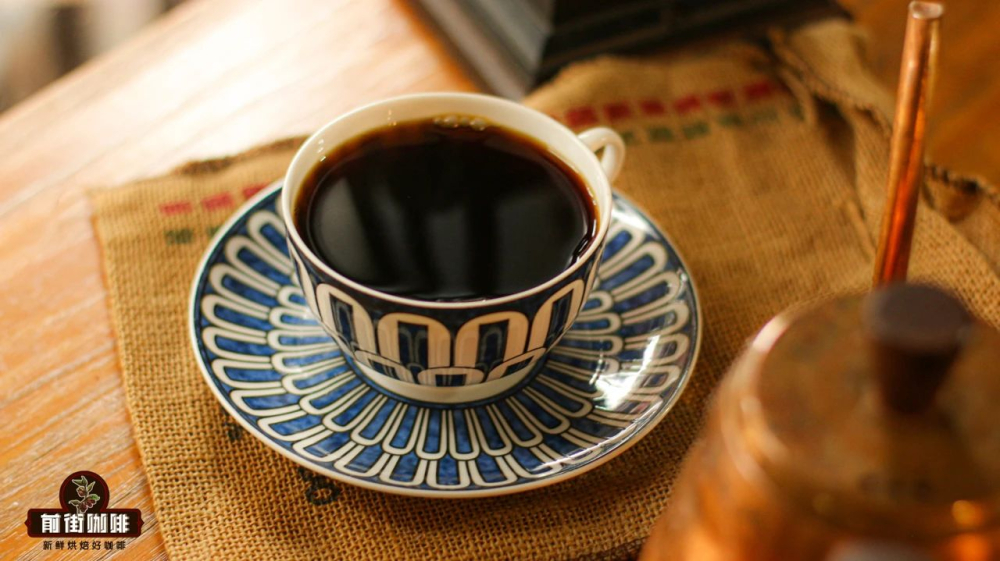
Many consumers easily confuse the two when first encountering them, especially since their names differ by just one character. However, their origins, production methods, and market positioning are almost completely different. Below, we will break down the core differences between Green Mountain and Jamaica Blue Mountain Coffee, covering brand background, growing environment, quality standards, market history, and actual flavor performance. We’ll also introduce the highly acclaimed Jamaica Blue Mountain No. 1 beans and offer medium-dark roast brewing suggestions to help coffee enthusiasts clearly distinguish between the two and make informed choices.
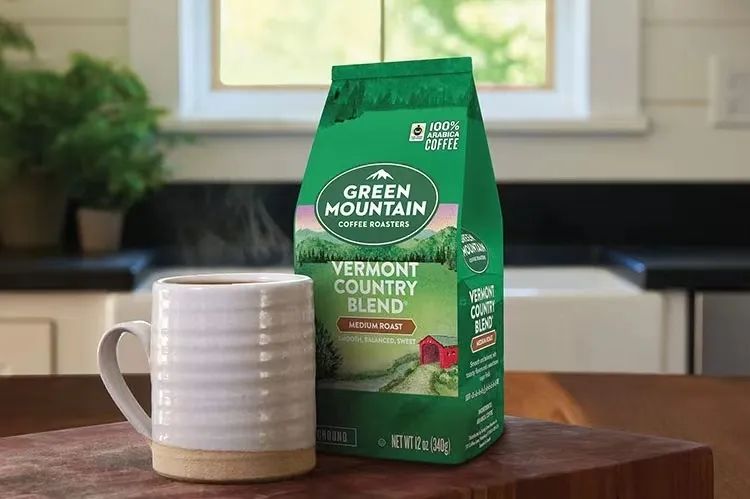
I. Green Mountain Coffee: An Affordable and Eco-Friendly American Coffee Brand
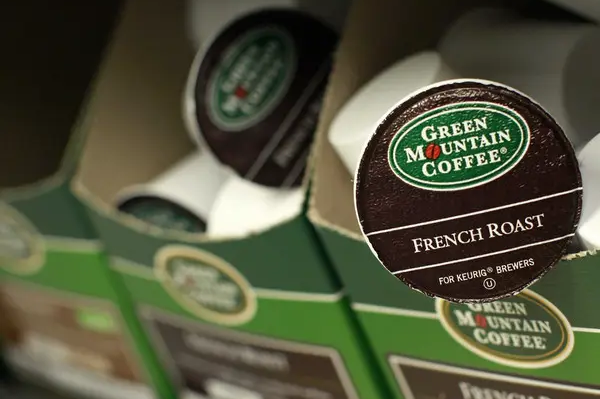
Green Mountain Coffee does not refer to a specific regional origin but is a coffee brand founded in 1981 in Vermont, USA, and went public in 1993. Unlike Starbucks, which focuses on premium in-store experiences, Green Mountain targets the home and office markets, offering affordably priced yet consistently high-quality Arabica coffee beans. Its revolutionary K-Cup single-serve system completely redefined the concept of instant coffee in the North American market.
The K-Cup was jointly developed by Keurig and Green Mountain, based on the idea of "brewing one cup at a time—no waste, no hassle." Each K-Cup is an individually packaged coffee capsule that, when inserted into a compatible machine, can brew a hot cup of coffee in about a minute without the need for grinding, measuring, or cleaning, and with virtually no coffee grounds left over. According to official data, the retail price of a single K-Cup coffee is about $0.50, only one-tenth the cost of a comparable Starbucks drink, significantly lowering the barrier to entry for coffee consumption.
Green Mountain Coffee also emphasizes sustainability. Since 2002, it has exclusively sold coffee certified by fair trade standards and is committed to using organically grown beans. To obtain fair trade certification, coffee suppliers must pay at least $1.26 per pound for beans and provide technical support to ensure farmers adopt organic and environmentally friendly farming practices. Additionally, Green Mountain holds multiple patents related to the K-Cup, and other brands must pay licensing fees if they wish to produce K-Cup-compatible products.
II. Jamaica Blue Mountain Coffee: Premium Single-Origin Coffee from the Jamaican Highlands
Jamaica Blue Mountain Coffee, on the other hand, is entirely a single-origin coffee, grown in the Blue Mountains of eastern Jamaica. The region is named for its blue-hued skyline where sea meets sky. The highest peak of the Blue Mountains reaches 2,256 meters, but the suitable coffee-growing areas are limited to elevations between 910 and 1,700 meters, particularly below 1,700 meters. Here, the cool climate, year-round cloud cover, fertile volcanic soil, abundant rainfall, and stable average temperature of 27°C create the unique flavor profile of Jamaica Blue Mountain Coffee.
However, what makes Jamaica Blue Mountain Coffee truly precious is not just its natural conditions but also the strict regional certification and production controls. Regulated by the Jamaica Coffee Industry Board (CIB), only Arabica coffee beans grown in designated high-altitude areas can be labeled as "Jamaica Blue Mountain Coffee." Currently, only about one-third of the total Blue Mountain planting area meets the qualifications for producing Blue Mountain Coffee, mainly distributed across four small sub-regions: Saint Mary, Saint Andrew, Saint Thomas, and Portland. The rest of the area is mostly classified as High Mountain or Prime Washed Coffee.
Moreover, due to the steep terrain, harvesting is difficult, and production is extremely limited. Statistics show that in recent years, less than 15% of Blue Mountain Coffee can be sold under the "Blue Mountain" label. In the past, due to strong support from the Japanese market—including long-term agreements—up to 90% of Blue Mountain Coffee was exported to Japan. It wasn’t until the agreements expired that the coffee gradually became available to other markets, including Taiwan and China, which have imported it in recent years.
III. Jamaica Blue Mountain No. 1: The Pinnacle of Premium Coffee
Within the grading system of Jamaica Blue Mountain Coffee, "No. 1" is the highest grade. Its green beans must have a screen size of 17 or above (indicating larger bean size), a defect rate below 3%, and moisture content controlled between 10% and 12.5%. These stringent criteria ensure the purity and consistency of the coffee’s flavor. Jamaica Blue Mountain No. 1 is known for its exceptional balance of acidity, sweetness, bitterness, body, and aroma, with a rich flavor profile often featuring notes of chocolate, nuts, cream, cocoa, and toffee. It is a dream coffee for many connoisseurs.
IV. Recommendations and Brewing Guide for Jamaica Blue Mountain No. 1 Beans
Currently, the most accessible authentic Jamaica Blue Mountain No. 1 beans on the market mostly come from the Clifton Estate in the Blue Mountains of Jamaica, grown at an altitude of about 1,310 meters and processed using the washed method. The variety is the traditional Typica. These beans are suitable for pour over brewing and can also showcase the rich, nutty, and cocoa characteristics of medium-dark roasts.
Brewing recommendation: Use freshly roasted coffee beans (ideally within 5 days of roasting) and allow 4–7 days for degassing. If you don’t have a grinder, opt for a grinding service, but try to grind the beans yourself to preserve maximum aroma. We recommend using a KONO filter to enhance body and achieve a smoother mouthfeel.
Specific steps: Wet the filter paper with hot water first, then place 15 grams of coffee grounds into the filter. Bloom with 30 grams of water for 30 seconds. Then, pour water in small streams from the center outward in circles, reaching a total of 125 grams for the first pour. Once the coffee bed descends to the middle of the filter, pour again to reach 225 grams. Wait until the coffee fully drips through before enjoying. During brewing, you can detect pronounced caramel and nut aromas. The cup is rich, smooth, and has a long-lasting aftertaste.
In summary, Green Mountain Coffee and Jamaica Blue Mountain Coffee represent two extremes: "practical branded coffee" and "premium single-origin coffee." Understanding their differences not only helps you choose the coffee that best suits your taste and budget but also allows you to truly appreciate the regal charm of "the king of coffees" when sipping Jamaica Blue Mountain No. 1.
The above content is compiled by CoffeeHunters, a coffee news website.


